2026 Best Melasma Laser Nanosecond or Picosecond?
Melasma can look like soft brown clouds across the cheeks, forehead, or upper lip. In daylight, patches may seem faint; beside a window, they can appear suddenly sharper. Choosing between nanosecond and picosecond laser treatment is not a simple contest. Both technologies deliver brief pulses of light, but their settings, wavelengths, and effects on pigment differ. The phrase Melasma Nanosecond Picosecond Laser describes a comparison, not a guaranteed solution.
For many people, melasma is chronic and can return after improvement. Heat, visible light, hormones, and sun exposure may all contribute. Laser treatment can help selected patients, yet it may also trigger irritation, rebound pigmentation, or darker marks, especially in deeper skin tones. That risk deserves plain discussion. A qualified dermatologist should confirm the diagnosis, review prior treatments, and assess skin type before recommending a device. Sunscreen and consistent pigment care often remain central, whether a laser is used or not. Not always. A newer pulse duration does not automatically mean safer or more effective results. Treatment studies vary, and outcomes depend on the device, operator, settings, and individual skin. Even careful plans can disappoint. This guide will compare practical differences between nanosecond and picosecond options, explain where evidence is limited, and outline questions to ask during a consultation. The aim is informed choice, not a promise of clear skin.
Melasma: Causes, Patterns, and Treatment Goals
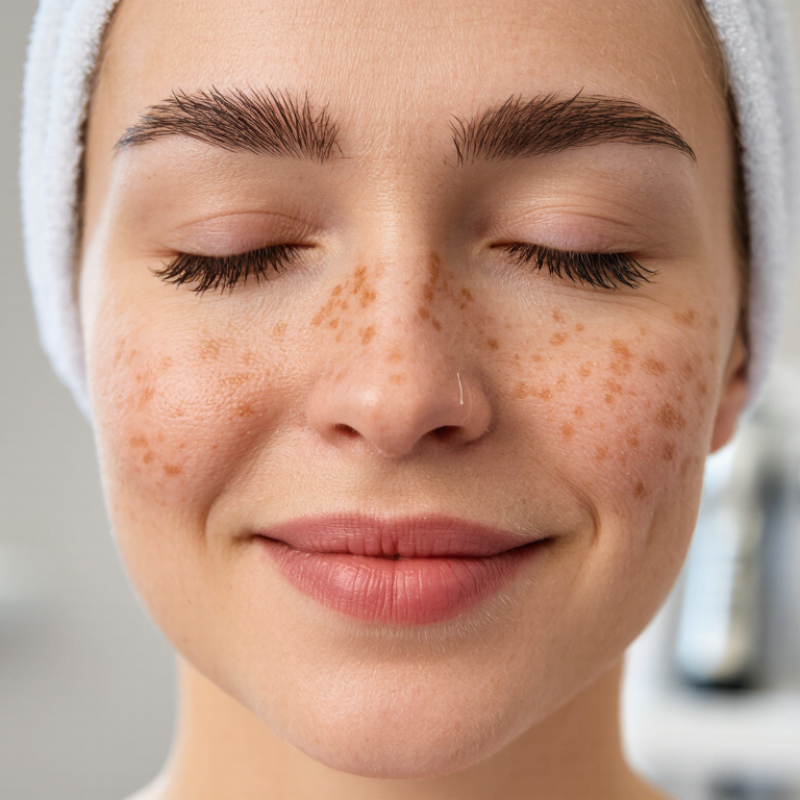
Melasma is a chronic pigment condition that often appears as brown or gray-brown patches on the cheeks, forehead, upper lip, or jaw. Its exact cause is complex, involving pigment-producing cells and inherited tendency. Hormonal changes may contribute, while sunlight and visible light can deepen discoloration. Heat may also be a trigger for some people. It can recur.
Patterns vary. Patches are often symmetrical, but their depth and distribution differ from person to person. A dermatologist can assess the skin and check whether another condition is causing similar marks. Treatment aims to reduce pigment, limit triggers, and maintain improvement—not promise permanent clearing. Daily sun protection and suitable topical care are often central. Lasers, whether nanosecond or picosecond, are not automatically the best first step; some procedures can aggravate pigmentation, especially in darker skin tones. A qualified clinician should weigh risks, skin type, and prior treatment response.
Tips: Use broad-spectrum sunscreen daily, reapply outdoors, and consider a hat. Keep a simple record of flare-ups and possible triggers. Ask about risks before any procedure. Small details matter.
How Nanosecond and Picosecond Lasers Work
Nanosecond and picosecond lasers are named for the length of each light pulse. A nanosecond is one billionth of a second; a picosecond is one trillionth. Both devices deliver energy absorbed by pigment in the skin. That energy can break pigment into smaller particles, which the body gradually clears. The process is often described as photoacoustic, though heat can also play a role. The balance depends on the device and its settings.
A picosecond pulse is shorter, so it may create a strong mechanical effect with less surrounding heat in some circumstances. Nanosecond systems have a longer history of use for pigmented lesions. Neither label alone predicts a better melasma result. Melasma is influenced by hormones, sunlight, visible light, and skin inflammation. A laser may irritate the area and make pigmentation darker. That risk matters.
In a consultation, a qualified clinician should assess the pattern, skin tone, past treatments, and likely triggers. Treatment settings and follow-up matter as much as pulse duration. A test spot may help, but it cannot guarantee the full-area response. Daily broad-spectrum sunscreen, including visible-light protection when appropriate, is often part of care. The comparison sounds tidy. Real skin is less tidy, and results can vary or relapse.
Key Differences in Melasma Treatment Outcomes
Nanosecond and picosecond lasers deliver energy in different pulse durations. Nanosecond devices use billionths of a second; picosecond devices use even shorter pulses. Both may target excess pigment, but a shorter pulse does not guarantee better melasma control.
Outcomes depend on more than pulse length. Wavelength, energy settings, skin tone, and the depth of pigment all matter. Melasma can also worsen after irritation or heat, so overly aggressive treatment may trigger darker patches. The comparison is not tidy. Some patients see fading after carefully selected laser sessions, while others notice little change or experience a relapse. Short-term improvement is not the same as lasting control.
A dermatologist should confirm the diagnosis and discuss alternatives before treatment. Broad-spectrum sun protection and prescribed topical care often remain central, even when a laser is considered. A small test area can help assess the skin’s response, though it cannot predict every outcome. Follow-up matters. If pigmentation deepens, treatment plans may need to change. Picosecond treatment may be appropriate in selected cases, but current evidence does not establish it as universally superior to nanosecond treatment for melasma.
Risks, Skin Types, and Limits of Laser Therapy
Melasma is not simply surface pigment; heat and inflammation can deepen patches, especially in Fitzpatrick skin types III–VI. The American Academy of Dermatology reports that melasma affects up to 90% of pregnant women, illustrating how strongly hormones can influence pigment. A laser cannot switch off those triggers. Nanosecond devices may clear pigment quickly, while picosecond pulses deliver energy over a shorter interval, but neither is reliably superior for every patient. A review by Ogbechie-Godec and Elbuluk in the Journal of the American Academy of Dermatology (2017) describes recurrence and post-inflammatory darkening as important limitations of laser treatment. Real skin is less predictable than a chart.
Darker phototypes need particular caution. Even a small treatment spot can leave a brown mark that lasts for months; excessive energy may also cause mottled light patches. Active tanning, recent irritation, or a history of post-inflammatory hyperpigmentation raises concern. A dermatologist should confirm the diagnosis, review medications and triggers, and consider a test spot before treating a larger area. Eye protection matters, too. Patients should ask what endpoint is expected and when treatment should stop. Daily broad-spectrum sunscreen and visible-light protection remain essential, since untreated triggers can bring pigment back. Laser is an option, not a cure, and sometimes the wiser decision is to wait.
2026 Best Melasma Laser: Nanosecond or Picosecond? — Risks, Skin Types, and Limits of Laser Therapy
| Decision Factor | Nanosecond Lasers | Picosecond Lasers | Practical Takeaway |
| Pulse duration | Deliver energy in nanoseconds (one billionth of a second). Q-switched systems are commonly used for pigment-related procedures. | Deliver energy in picoseconds (one trillionth of a second), a shorter pulse duration than nanosecond systems. | A shorter pulse does not automatically mean safer or more effective treatment for melasma. Results depend on diagnosis, wavelength, settings, skin response, and clinician experience. |
| Commonly discussed wavelengths | Low-fluence 1064 nm Q-switched Nd:YAG treatment has been studied for melasma. | Systems may use wavelengths such as 1064 nm or 755 nm; available wavelengths differ by device. | Wavelength and treatment settings matter. A device’s pulse duration alone is not enough to predict suitability. |
| Evidence for melasma | Some patients show temporary improvement, but recurrence is common and repeated treatments may be needed. | Early studies and clinical experience report potential improvement in some patients; evidence does not establish consistent superiority over nanosecond treatment. | Neither category is a guaranteed or permanent cure. Evidence varies by treatment protocol and patient population. |
| Role in treatment | Laser treatment is generally considered an adjunct for selected cases rather than the default first-line approach. | Broad-spectrum sunscreen, visible-light protection when appropriate, and clinician-directed topical treatment are important parts of melasma care. |
| Skin types and pigmentation | People with darker or more easily pigmented skin can be more prone to post-inflammatory hyperpigmentation after procedures. This risk varies with the individual and treatment settings. | Fitzpatrick skin type alone cannot determine suitability. A qualified dermatologist should assess skin tone, history of pigment changes, and the melasma pattern; a test spot may be considered. |
| Possible risks | Potential effects include redness, swelling, discomfort, temporary darkening or lightening, post-inflammatory hyperpigmentation, and, less commonly, blistering or scarring. | Excessive energy, frequent sessions, or treatment of the wrong diagnosis may worsen pigmentation or cause other skin injury. |
| Limits of laser therapy | Melasma is a chronic, relapsing condition influenced by ultraviolet light, visible light, hormones, and other factors. Laser treatment does not remove these triggers. | Even after improvement, ongoing light protection and follow-up may be needed. Pigmentation can return, including after an initially good response. |
| When to seek assessment | A dermatologist should confirm that the pigmentation is melasma and review relevant medical history, previous treatments, and the risk of pigmentary changes. | Do not choose a laser based only on a device label or an online comparison. Treatment should be individualized, with conservative settings and clear discussion of alternatives and risks. |
Important: This comparison is educational, not a diagnosis or treatment recommendation. Laser procedures can worsen melasma in some people. Consult a board-certified dermatologist or appropriately qualified clinician before treatment.
Choosing a Laser Plan Alongside Other Treatments
Choosing a melasma laser is not just a choice between nanosecond and picosecond pulses. The broader plan matters more. A dermatologist should confirm the diagnosis, review your skin tone, past treatments, and likely triggers, then explain realistic benefits and risks. Melasma can return, even after visible fading. That matters.
Daily broad-spectrum sunscreen and reducing heat or sun exposure are often part of care, alongside clinician-guided topical treatments. These steps may help limit recurrence, but they are not instant fixes. A laser may be considered when other measures have not helped enough, or when pigment remains troubling. Ask how the proposed device fits your specific pattern of melasma, and what signs would mean treatment should pause.
Nanosecond and picosecond devices differ in pulse duration, but neither guarantees better results for every person. Laser energy can sometimes worsen pigmentation, especially in more reactive skin. Less can be more. Before starting, ask about a cautious test area, spacing between sessions, expected downtime, and follow-up care. Take clear photos in consistent lighting; small changes are hard to judge day by day. It is tempting to chase quick clearing, but a slower plan may be easier to adjust if irritation or darkening appears. Discuss the full plan with a qualified clinician, including what to do if your skin responds poorly.
2026 Best Melasma Laser: Nanosecond or Picosecond? Choosing a Laser Plan Alongside Other Treatments
Typical laser pulse-duration ranges, shown in nanoseconds (ns). These are representative ranges, not universal specifications.
How to interpret this chart: Picosecond lasers use shorter pulses than Q-switched nanosecond lasers, but pulse duration alone does not predict melasma improvement or safety. Melasma can recur, and laser treatment may trigger irritation or post-inflammatory pigmentation. A dermatologist may prioritize daily broad-spectrum sun protection and suitable topical treatment, considering a carefully selected laser only as an adjunct.
Actual pulse durations vary by device and settings. The ranges shown are illustrative examples of commonly specified picosecond and Q-switched nanosecond systems, not treatment recommendations.