2026 Best Sanitary Napkin Making Machine Buying Guide
Buying a Sanitary Napkin Making Machine is not simply a price comparison. It is a decision about hygiene, production stability, worker safety, and long-term service.
Arunachalam Muruganantham, a respected menstrual-hygiene innovator, has said, “I wanted to make sanitary napkins available to every woman.” His words highlight the real purpose behind this equipment. A reliable machine should help manufacturers produce safe, consistent, and affordable products. It should also support practical factory needs, from raw-material feeding to sealing, inspection, and packaging.
This 2026 buying guide examines the details that buyers often overlook. It covers machine capacity, forming accuracy, absorbent-core performance, automation levels, power consumption, and maintenance access. A clean stainless-steel frame matters. So does the distance between service points and your factory. One loose sensor can stop an entire production line.
Look beyond impressive speed claims. Ask for verified output under normal operating conditions. Request sample products, test records, and references from similar factories. Check whether operators can adjust the machine without complicated procedures. Training quality matters more than glossy brochures.
No machine is perfect. A low-cost model may create higher expenses through waste, downtime, or difficult repairs. A high-speed line may also exceed your present market demand. This guide encourages careful comparison, not rushed purchasing. It considers evidence, supplier experience, technical support, and product quality together.
Manufacturers should also confirm applicable safety and hygiene requirements in their target markets. Reliable documentation builds trust. Honest limitations build it too. The best Sanitary Napkin Making Machine is not always the fastest option. It is the one that fits your product design, workforce, budget, and growth plan.
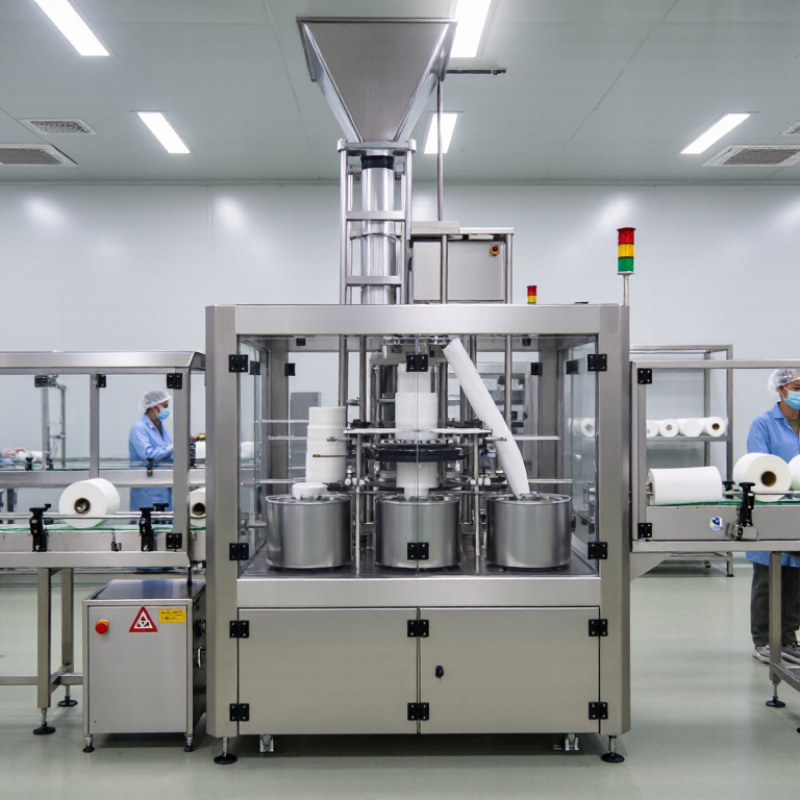
What Is a Sanitary Napkin Making Machine?
A sanitary napkin making machine is industrial equipment that converts absorbent materials into finished menstrual pads. It usually combines forming, wrapping, sealing, cutting, and packaging functions. Common materials include fluff pulp, absorbent paper, nonwoven fabric, release paper, and leak-resistant film. Each layer has a practical purpose. The absorbent core holds fluid, while the backsheet helps protect clothing.
From operating experience, production quality depends on more than machine speed. Stable tension, accurate cutting, and clean material feeding are essential. A small alignment error can create uneven wings or exposed edges. Modern equipment may include sensors, automatic counting, and adjustable settings for different pad sizes. However, automation does not remove the need for trained operators. Regular cleaning and inspection remain necessary, especially around cutting tools and sealing areas. Some buyers focus too heavily on output figures. That can be a mistake.
Tips: Check the machine’s hourly capacity under realistic conditions, not only the highest advertised speed. Ask about material compatibility, changeover time, spare parts, and operator training. Test sample products before purchase. Look closely at the pad’s surface, seal strength, and individual wrapping. Hygiene controls should be documented, including cleanable surfaces and safe production procedures. A reliable supplier should provide technical specifications and transparent maintenance requirements. Even experienced teams can overlook packaging waste. Track it during trial production.
How Does a Sanitary Napkin Making Machine Work?
A sanitary napkin making machine converts separate materials into a layered, hygienic product. The process begins with unwinding rolls of nonwoven topsheet, absorbent tissue, and breathable backsheet film. A forming unit distributes fluff pulp and superabsorbent polymer across the core. Controlled air pressure shapes the absorbent layer.
The machine then seals the layers with heat or adhesive. Embossing creates channels that guide liquid away from the surface. A cutting die forms the pad’s outline, while folding units attach wings and release paper. Servo motors synchronize each station, often at several hundred pieces per minute. In practical production, alignment matters more than speed. A small web deviation can create uneven edges or exposed absorbent material.
Market reports show why equipment selection needs careful testing. Fortune Business Insights valued the global sanitary napkin market at about USD 23.36 billion in 2023, with continued growth projected through 2032. Grand View Research reports a similar expanding market, although its figures differ because product categories and regions vary. These differences deserve attention. A machine advertised at maximum speed may perform differently with thicker cores, recycled fibers, or high SAP ratios. Operators should inspect sealing strength, absorbency consistency, dust control, and material waste during trials. I would request production samples, maintenance records, and measured output, not only a catalogue number.
Which Machine Types and Features Should You Compare?
2026 Best Sanitary Napkin Making Machine Buying Guide: Which Machine Types and Features Should You Compare?
Demand is broad, not uniform. The World Bank and UNICEF’s 2024 menstrual health data show that about 1.8 billion people menstruate worldwide. Product access still differs sharply by region. A machine should therefore match local formats, not only maximum speed.
Compare standard-pad, ultra-thin, winged-pad, pantyliner, and overnight configurations. Airlaid, fluff-pulp, and mixed-core systems create different absorbency, thickness, and material costs.
Capacity matters, but it can distract buyers. Grand View Research’s feminine hygiene market analysis projects growth of roughly 6% annually through 2030. That supports automation investment, yet demand forecasts are not production plans.
Check usable output per minute, not the headline speed. Ask for running samples with your actual materials. Review servo control, PLC access, tension stability, automatic material splicing, and changeover time. A ten-minute adjustment can matter more than another 100 pads per minute.
Look closely at inspection and maintenance. Optical sensors should detect missing cores, skewed wrappers, and sealing faults. Dust extraction needs measurable airflow, not vague promises. The European Disposables and Nonwovens Association links hygiene manufacturing with high nonwoven consumption, making waste control financially important.
Compare trim-recovery options, compressed-air use, electricity per thousand pads, and operator access. Reliable machines also provide batch records and clear alarms.
No checklist is perfect. One overlooked weakness is spare-part delivery, especially during seasonal demand. Ask for documented uptime, failed-sample records, and a realistic service response time before signing.
How to Evaluate Materials, Capacity, and Production Efficiency?
When evaluating a sanitary napkin making machine in 2026, start with material control, not speed. Ask whether the line handles your absorbent core, nonwoven topsheet, PE backsheet, adhesive, and release paper consistently. Check web tension, heating accuracy, and glue spread at low and high speeds. A small temperature drift can cause poor bonding or leakage risks. Request trial production using your actual materials. Supplier demonstrations can look perfect. Your materials may behave differently.
Rated capacity is only a ceiling. Compare usable output, changeover time, and planned maintenance hours. A line rated at 1,000 pieces per minute may deliver far less after rejects, cleaning, and size changes. Ask for documented data from similar production conditions. Measure good units per hour, waste percentage, power consumption, and operator requirements. Include several product sizes in the test. One format is not enough.
Production efficiency depends on stable quality. Inspectors should verify dimensions, absorbent components, seal strength, adhesive placement, and package count. Use automatic detection where practical, but retain manual checks during validation. Review electrical documents, machine guarding, emergency stops, spare-part access, and maintenance training. Calculate five-year ownership costs, including tooling, utilities, consumables, downtime, and technical support. I would not trust a spreadsheet alone. Observe a long trial and record stoppages. The uncomfortable finding may be useful: a slower line with fewer defects can outperform a faster one.
What Should You Check Before Buying and Installing the Machine?
2026 Best Sanitary Napkin Making Machine Buying Guide
Before buying a sanitary napkin making machine, check the product specification, not only the advertised speed. A fast line can produce weak seals, uneven absorbent cores, or excessive scrap. Ask for verified output at your target product size. Request samples from at least three production runs. Measure absorbency, dimensions, adhesive strength, and edge alignment. The WHO and UNICEF Joint Monitoring Programme reported that about 1.8 billion women and girls menstruate worldwide, while roughly 500 million lack adequate menstrual hygiene facilities. This demand makes stable quality more important than impressive brochures.
Inspect the machine frame, servo system, PLC access, sensor layout, and guarding. Confirm that the factory has suitable power, compressed air, ventilation, drainage, floor strength, and maintenance space.
Check whether operators can replace cutting tools without unsafe reaching. Review the installation drawings before delivery. Factory acceptance testing should record speed, reject rate, noise, power use, and changeover time.
Installation can fail through small oversights, such as an air pipe placed behind the inspection door. That detail matters.
Tips: Prepare a written acceptance checklist. Test your own raw materials, not only supplier samples. Confirm spare-part lead times, training hours, and remote support. Ask for calibration records and preventive-maintenance intervals. Do not accept “up to” capacity without a defined test method. A perfect checklist does not exist. Revisit it after the first month, because real production usually exposes one overlooked weakness.