What is an AED Training Machine and How Does it Work?
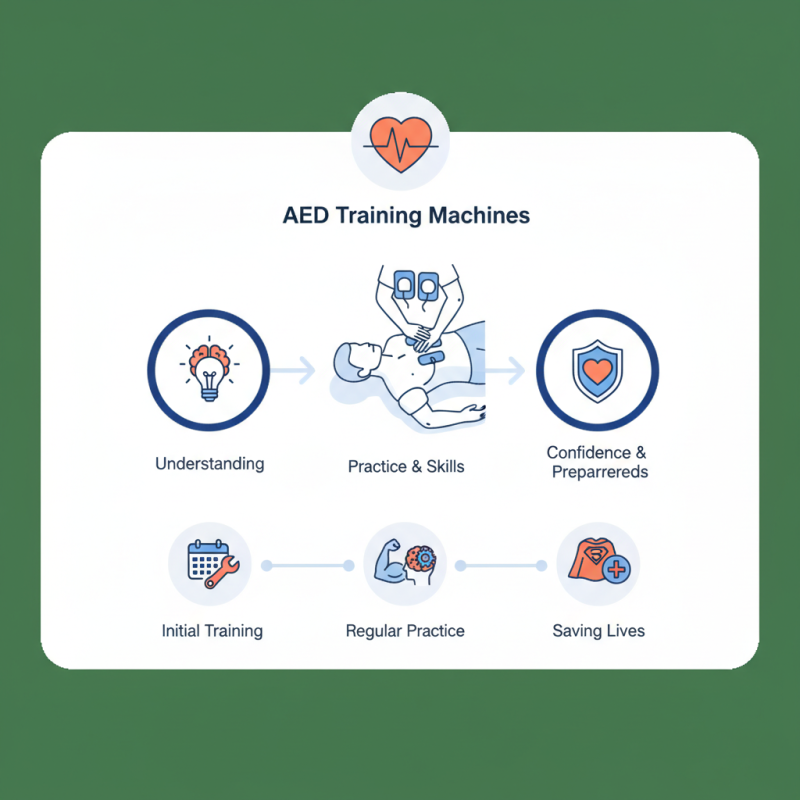
An AED Training Machine is an essential tool for teaching life-saving skills. This device simulates real-life scenarios using automated external defibrillators. Understanding its functionalities can empower individuals to act confidently in emergencies.
These machines provide realistic training experiences. Users practice CPR techniques and learn how to use AEDs effectively. Each session builds familiarity, reducing fear during real-life situations. Trained individuals can respond quickly, potentially saving lives.
Despite its benefits, simply using an AED Training Machine is not enough. Regular practice and ongoing education are crucial. It may be easy to forget skills without reinforcement. Training can feel overwhelming at times, but persistence leads to improvement. Everyone should strive for competence in this vital area.
What is an AED Training Machine?
An AED training machine is a vital tool for teaching how to use an automated external defibrillator (AED). These machines simulate real-life scenarios where CPR and defibrillation skills are necessary. They are often used in training sessions or courses to prepare individuals for emergency situations. The machines come with pre-recorded voice prompts to guide users through the process, helping to build confidence.
The training machines typically have pads that mimic those found on actual AEDs. They connect to the device, allowing users to practice attaching the pads to a training mannequin. The machines provide feedback on the quality of chest compressions and timing. They often give visual and auditory cues to indicate when to shock or perform CPR. Inexperienced users may struggle initially. However, with practice, they can become proficient.
While AED training machines are effective, users may still have uncertainties. Emotions can hinder performance during real emergencies. It’s important to address these challenges in training. Recognizing and working through these feelings can enhance preparedness. Regular practice can help build both skill and confidence. The aim is to bridge the gap between training and realistic application. This way, users can respond effectively when moments matter most.
The Importance of AED Training in Cardiac Emergencies
Cardiac emergencies can happen anywhere. When a person experiences a cardiac arrest, every second counts. The use of Automated External Defibrillators (AEDs) is vital in these situations. However, knowing how to use an AED is not intuitive for most people. That’s where AED training becomes essential. Proper training equips individuals with skills that can save lives.
Learning to use an AED boosts confidence during a crisis. It helps people react quickly rather than freeze in fear. Training sessions teach how to assess the victim and use the device effectively. Participants practice real-life scenarios, making the knowledge actionable. Despite the effectiveness of training, many still hesitate to act when it matters most. This delay can lead to tragic outcomes.
There is often a misconception that only medical professionals can handle such emergencies. This belief needs challenging. Anyone can be trained to use an AED. Communities should promote awareness and access to training. Empowering more individuals can strengthen the chain of survival in cardiac emergencies. It's crucial to recognize that preparedness can genuinely make a difference.
How AED Training Machines Simulate Real-Life Scenarios
AED training machines are crucial for teaching life-saving skills. They simulate real-life emergency scenarios, providing a safe and effective learning environment. These machines can replicate various situations, allowing users to practice responding to cardiac arrest cases. A realistic experience makes training more impactful.
During training, participants use the AED machine to analyze simulated heart rhythms. They can practice defibrillation with scenarios that mimic real incidents. The machines offer instant feedback on performance. This helps learners identify areas needing improvement. Feeling uncertain while practicing is common. It’s vital to acknowledge this discomfort; it can lead to better preparedness.
These training devices often include visual and auditory prompts to guide users. Trainees learn to follow these cues to provide effective care. Sometimes, the simulations can feel overwhelming. Despite this, they prepare individuals for high-pressure situations. Engaging with these training machines builds confidence and skills. This hands-on approach is invaluable for anyone wanting to master CPR and AED use.
Key Features of AED Training Machines and Their Functionality
AED training machines are essential for preparing individuals to use automated external defibrillators (AEDs) in emergencies. These machines offer a realistic training experience. They simulate the audio and visual prompts found in real AEDs. This realism helps trainees build confidence and familiarity. According to research by the American Heart Association, effective training can increase AED usage by 40%.
Key features of AED training machines include adjustable settings that mimic various emergency situations. They provide feedback on CPR techniques, enhancing the learning process. Additionally, many models incorporate scenarios that prepare trainees for different age groups, such as adults or children. One report highlighted that hands-on training improves retention rates by up to 75%. This indicates the importance of engaging with training equipment.
While AED training machines are powerful tools, they are not flawless. Trainees may still feel uncertain during a real emergency, leading to hesitance. Some training machines may not replicate the exact feel of a real AED. This gap can be a critical concern. Continuous refinement in training techniques and technology is necessary to ensure preparedness. Additionally, regular practice is essential to overcome anxiety during actual use.
AED Training Machine Usage Statistics
This chart illustrates the number of users participating in AED training based on different session ranges. The data reflects the ongoing interest in practical training for emergency situations, which is crucial for increasing awareness and preparedness in using AEDs effectively.
Statistics on CPR Success Rates with AED Training Applications
Automated External Defibrillators (AEDs) play a crucial role in enhancing CPR success rates. The National Center for Biotechnology Information suggests that early defibrillation increases survival rates for sudden cardiac arrest by up to 70%. These numbers highlight the significance of AED training applications for both health professionals and laypeople.
Moreover, research indicates a direct correlation between AED training and effective CPR outcomes. According to a study published in the American Heart Association’s journal, individuals who underwent AED training were 1.5 times more likely to perform CPR efficiently during emergencies. The access to these machines and training can drastically influence response times and success rates.
Despite these positive statistics, there's a concerning gap. Many individuals trained in AED usage still hesitate in real-life situations. Training scenarios often differ from high-pressure environments, leading to uncertainty and hesitancy. Continuous education and realistic practice simulations are vital to bridge this gap. Enhancing training curriculum can boost confidence and readiness, ultimately improving community response to cardiac emergencies.