Understanding Aeration Process in Wastewater Treatment Systems?
The Aeration Process In Wastewater Treatment plays a crucial role in maintaining environmental balance. This method increases the oxygen saturation in wastewater, fostering the growth of beneficial microorganisms. These microorganisms aid in breaking down organic matter. By enhancing microbial activity, the aeration process ensures effective removal of pollutants.
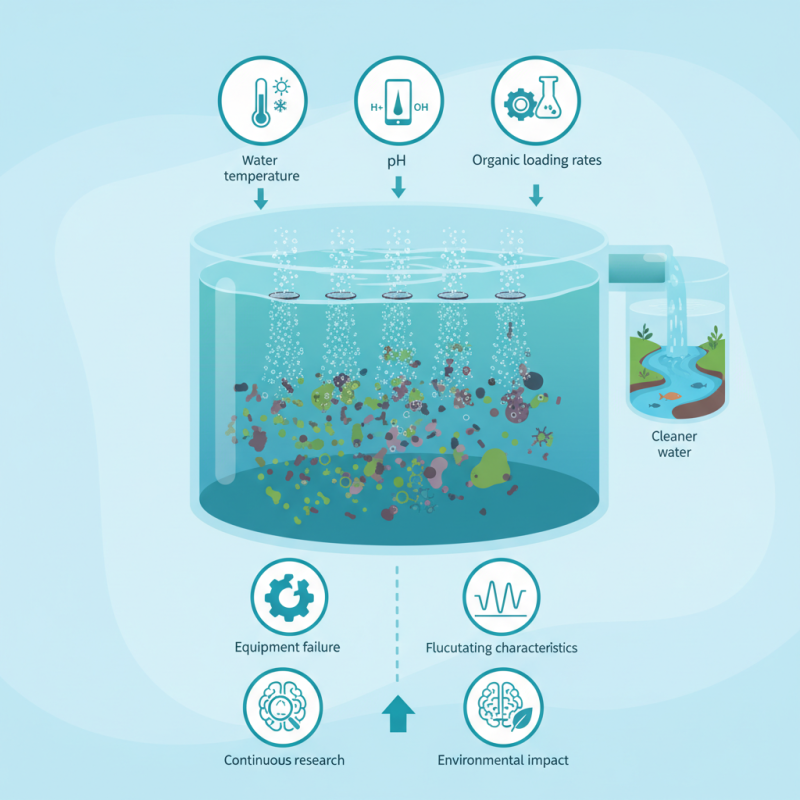
Understanding this process requires recognizing its complexity. Various factors influence aeration efficiency, including water temperature, pH levels, and organic loading rates. A well-designed aeration system can significantly improve treatment outcomes. However, challenges often arise. Factors like equipment failure or fluctuations in wastewater characteristics can hinder performance.
Improving the aeration process in wastewater treatment remains essential for sustainability. Continuous research is vital in addressing these challenges. As we work to optimize these systems, we must consider their environmental impact. This commitment to better solutions will help foster cleaner water and healthier ecosystems.
Introduction to Aeration in Wastewater Treatment
Aeration plays a crucial role in wastewater treatment. It involves introducing air into the water to promote the growth of microorganisms. These microorganisms break down organic pollutants effectively. For instance, a report by the Environmental Protection Agency indicates that proper aeration can reduce biochemical oxygen demand (BOD) levels by over 90%. This reduction is vital for enhancing overall water quality.
The aeration process can be achieved through various methods, such as surface aerators and diffused aeration systems. Each method has its advantages and challenges. Surface aerators are typically more accessible but can be less efficient in larger volumes of water. Diffused aeration systems require careful design but can offer substantial energy savings. An efficient aeration system can consume up to 50% less energy than low-performing options, according to recent studies.
Tips: Regular maintenance of aeration equipment is essential. Blockages can hinder the efficiency of the process. Monitoring dissolved oxygen levels is crucial. It ensures the right conditions for microbial activity. A well-optimized aeration system balances energy use and treatment performance. Make adjustments based on real-time data to improve outcomes.
Types of Aeration Methods Used in Treatment Systems
Aeration is a critical process in wastewater treatment. It introduces air into the water, promoting the growth of microorganisms. These microorganisms break down organic pollutants. There are various aeration methods, each with distinct benefits and limitations.
Diffused aeration is one common method. In this system, air is introduced through fine pores underwater. This technique can achieve up to 85% efficiency in oxygen transfer rates. However, it requires careful maintenance to prevent clogging.
Mechanical aeration is another widely used method. It employs paddle wheels or mixers to agitate the water and promote gas exchange. While effective, it tends to consume more energy compared to diffused systems. Recent studies indicate that energy costs can represent over 30% of total operational expenses in treatment plants.
Choosing the right aeration method is essential. Operators must consider factors such as energy consumption, maintenance, and cost. Each approach has trade-offs that need careful evaluation. Many systems struggle with achieving optimal performance while managing these challenges. Balancing efficiency and operational stability remains an ongoing concern in the industry.
Mechanisms of Oxygen Transfer in Aeration Processes
Aeration is crucial in wastewater treatment. It enhances the breakdown of organic materials. This process primarily relies on oxygen transfer. Different mechanisms facilitate this transfer, each with unique characteristics and efficiencies.
In turbulent aeration systems, air bubbles are injected into wastewater. These bubbles rise to the surface, creating a turbulent flow. This movement enhances oxygen transfer rates, promoting effective microbial activity. However, challenges exist. If the bubbles are too large, they rise too quickly, reducing contact time with the wastewater.
In contrast, fine bubble systems produce smaller bubbles. They increase the surface area for oxygen absorption. This method offers higher efficiency but can be more complex to operate. Additionally, the energy required for air pumping must be simplified to ensure operational efficiency. Balancing these factors is essential in designing effective aeration systems. Each approach has its strengths and weaknesses, requiring thoughtful consideration in wastewater treatment processes.
Impact of Aeration on Biological Treatment Efficiency
Aeration is a crucial process in wastewater treatment, significantly affecting biological treatment efficiency. It introduces air into the system to promote aerobic microorganisms' activity. These microorganisms break down organic materials, resulting in cleaner effluent. The effectiveness of aeration hinges on the right balance; too little or too much can hinder the process.
Maintaining optimal dissolved oxygen levels is vital. Insufficient oxygen leads to incomplete degradation of organic matter. Excessive aeration can cause energy wastage and disrupt microbial communities. Finding this balance is often a trial-and-error process. Operators should perform regular monitoring to adjust aeration rates as needed.
Tips: Ensure consistent maintenance of aeration equipment. Check for clogs or leaks frequently. Understand the microbial dynamics at play for better results. Keeping a close eye on these factors can enhance overall treatment efficiency. Over time, adjustments can lead to noticeable improvements in water quality.
Challenges and Innovations in Aeration Technologies
Aeration is a critical aspect of wastewater treatment systems, yet it faces numerous challenges. The need for energy efficiency is paramount. According to a 2022 report from the Water Environment Federation, aeration accounts for nearly 50% of the energy used in these systems. This staggering percentage highlights the crucial need for more efficient aeration technologies to minimize operational costs and reduce greenhouse gas emissions.
Recent innovations bring promising solutions. Advanced aeration systems are now equipped with sensors and automation technologies. These systems adjust air supply in real-time based on the biological processes occurring in the treatment tanks. They can improve oxygen transfer efficiency by up to 30%, according to a study from the American Society of Civil Engineers. However, the implementation of these technologies can be costly and may not achieve the expected return on investment in every situation.
Tips: Consider conducting a thorough analysis before upgrading aeration systems. Examine the specific conditions of your facility. Engage with experts in the field for tailored solutions. Maintaining a balance between technology and cost is key for effective wastewater management.
Understanding Aeration Process in Wastewater Treatment Systems
This chart illustrates the oxygen transfer efficiency of various aeration methods used in wastewater treatment systems. The data indicates that diffused aeration has the highest efficiency, making it a preferred choice in many applications.