top of page

Best Asphalt Storage Tank Manufacturers in China?

Choosing among the Best Asphalt Storage Tank Manufacturers in China requires more than comparing price or shell capacity. A tank is part of a hot-mix plant’s daily operating system. Poor insulation, uneven heating, or unreliable temperature sensors can mean cold spots, binder aging, and avoidable downtime. Small details matter. A leaking valve near a heated line is not small for the crew managing it.

Industry data helps explain why dependable storage deserves attention. The National Asphalt Pavement Association’s 2022 Industry Survey reported that U.S. producers reused 89.2 million tons of reclaimed asphalt pavement. That figure reflects a large, continuously operating asphalt sector, where consistent binder handling and plant reliability matter. It does not measure tank quality directly, so buyers should not treat it as a manufacturer ranking. Instead, assess fabrication records, insulation design, heating systems, controls, inspection access, and documented performance under comparable operating conditions.

For a materials perspective, Dr. Rebecca McDaniel, an asphalt-materials researcher, offers a relevant principle, paraphrased here rather than quoted verbatim: “Protect binder quality through careful temperature control and handling.” A practical review should test that principle against drawings, material specifications, weld-quality documentation, and customer references. Ask how the supplier manages temperature uniformity, not merely the maximum heating temperature. Ask about maintenance access, too. These checks are less exciting than a low quotation, but they can reveal what a brochure leaves out. No single checklist replaces a site-specific engineering review. That limitation matters.
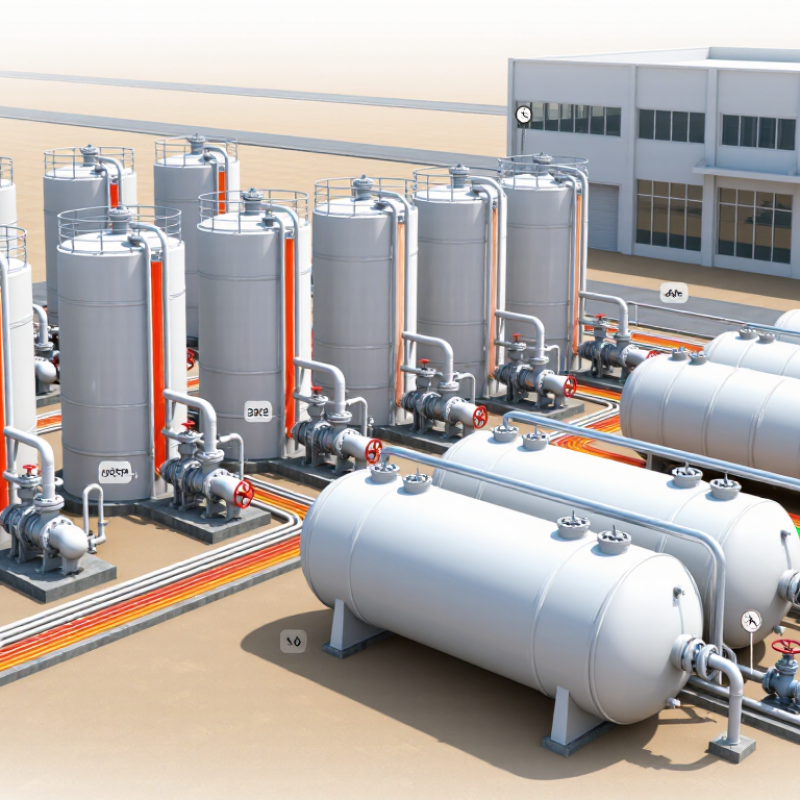
Best Asphalt Storage Tank Manufacturers in China?

What Asphalt Storage Tanks Are and How They Work

What Asphalt Storage Tanks Are and How They Work

An asphalt storage tank is an insulated steel vessel designed to hold asphalt at a workable temperature. Its main parts typically include a shell, insulation, heating system, temperature controls, and access points for filling and maintenance. Some tanks use internal heating coils; others transfer heat through external equipment. The exact arrangement depends on capacity, asphalt grade, and operating conditions.

Heat keeps the material fluid enough for pumping and transfer. Sensors monitor temperature at selected points, while controls regulate the heating system. Many installations also use pumps or circulation lines to reduce temperature differences within the tank. Good insulation slows heat loss, but it cannot correct poor temperature control. Asphalt may become difficult to handle if it cools too much; overheating can also affect its properties. Small details matter.

Tips: Check temperature readings at more than one location when practical, and follow the tank and asphalt supplier’s operating guidance. Inspect insulation, valves, and heating components regularly. Keep clear maintenance records. A reading can look normal while a cold area remains near the tank wall, so verify conditions rather than relying on one gauge alone.

Key Types and Features of Asphalt Storage Tanks

Asphalt storage tanks are commonly chosen by site layout, heating method, and required capacity. Horizontal tanks suit sites with limited height and are easier to inspect from ground level. Vertical tanks use less ground space but need suitable foundations and safe access at height. Each layout has trade-offs.

Heating separates many tank designs. Direct-fired systems use a burner, while indirect systems circulate thermal oil through coils or a jacket. Indirect heating can reduce localized overheating, but adds pumps, piping, and maintenance points. Insulation and cladding help limit heat loss, especially on cold nights. Still, insulation cannot replace good temperature control. Keep asphalt within the material supplier’s recommended storage range, and use well-placed sensors where temperatures may vary.

Fixed tanks for continuous operations may include level indicators, platforms, vents, and cleanout openings. Transportable tanks can suit smaller operations, though capacity and heating consistency may be limiting. Check weld records, corrosion protection, coil access, and drain design before comparing prices. These details seem mundane. They matter after years of heating cycles. A tank that is easy to clean may be more useful than one with slightly greater capacity, a point buyers sometimes overlook.

How to Evaluate Asphalt Tank Manufacturers in China

A dependable asphalt storage tank starts with the right questions, not a polished brochure. Ask how the manufacturer controls temperature uniformity, insulation thickness, and burner safety. Request material certificates, weld maps, and non-destructive testing records. For welded steel tanks, check whether the design follows a suitable standard, such as API 650, and ask which parts of the project it covers. Small details matter. A poorly placed temperature sensor can leave cold zones, even when the control panel looks impressive.

Look beyond the tank shell. Review the heating system, circulation layout, access platforms, and maintenance clearances against your asphalt type and operating temperatures. Ask for drawings, inspection plans, pressure or leak-test records, and a clear scope of commissioning support.

NAPA’s 2023 Asphalt Pavement Industry Survey estimated that about 94.6 million tons of reclaimed asphalt pavement were reused in the United States. That scale makes reliable heated storage relevant to continuous production, though it does not prove any one tank design is suitable. Ask manufacturers how their equipment handles your expected throughput and material changes.

Factory visits can reveal practical workmanship: consistent welds, protected cable routes, and insulation fitted without obvious gaps. Compare delivery schedules, spare-parts availability, and warranty exclusions in writing. Then speak with operators who have used similar tanks through a full production season. No checklist catches everything. A supplier may provide complete documents yet still underestimate site-specific maintenance needs; verify assumptions before ordering.

Manufacturing Standards, Quality Control, and Safety

Best Asphalt Storage Tank Manufacturers in China?

Manufacturing Standards, Quality Control, and Safety

Choosing an asphalt storage tank manufacturer requires more than comparing capacity and price. Ask how the tank is designed for operating temperature, insulation, heating, and site conditions. Reliable manufacturers should provide material records, welding procedures, inspection reports, and clear operating instructions. Check that these documents match the tank being supplied, not just a sample model. Small details matter: uneven insulation can create cold spots, while poorly placed sensors may give misleading readings.

Quality control should cover material receipt, fabrication, welding, pressure or leak checks, and final inspection. Ask who performs each check and how findings are recorded. A polished finish is not proof of sound construction. Safety planning matters too: operators need accessible controls, safe walkways, and practical guidance for heating and draining the tank. Standards can vary by project and destination, so verify applicable requirements with qualified local engineers. No checklist catches everything; site installation and routine maintenance still need careful review.

How to Compare Suppliers and Choose the Right Manufacturer

Comparing asphalt storage tank manufacturers in China begins with your operating conditions, not catalog photos. Specify required capacity, asphalt grade, target temperature, heating method, and daily throughput. Ask how insulation thickness and tank layout affect heat loss and maintenance access. Details matter. A supplier should explain its design choices in clear, measurable terms.

Review the technical offer line by line. Check material specifications, weld inspection procedures, heating-system controls, temperature sensors, and over-temperature protection. Request drawings, inspection records, and a defined scope of supply. Ask whether commissioning guidance, spare parts, and service support are included. A low quotation may exclude items needed for safe, reliable operation. Compare equivalent specifications before judging price.

Verify experience with projects of similar capacity and climate. Request references you can contact, and, where practical, inspect the workshop or arrange a live production review. Pay attention to how staff answer questions about delivery, testing, and quality documentation. Vague answers deserve follow-up. No checklist catches everything; site conditions and operating habits can still change the outcome. Leave room for an independent engineering review before approval.

bottom of page