What is a Ball Bearing and How Does It Work?
Ball Bearings are essential components used in various machinery. They help reduce friction between moving parts. By providing smooth motion, they enhance efficiency and performance.
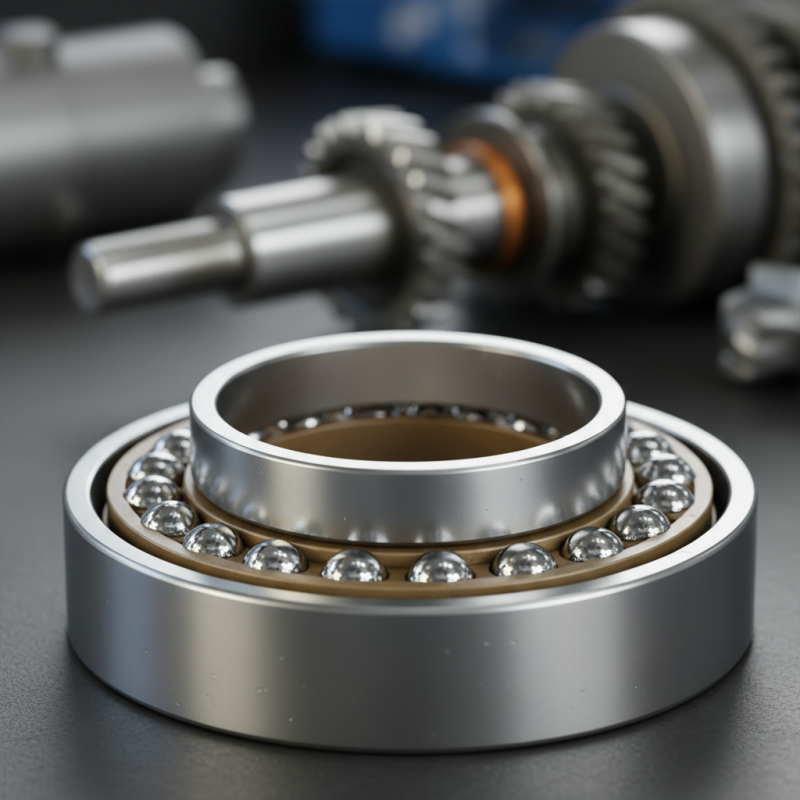
In simple terms, a ball bearing consists of balls placed between two rings, known as races. These balls bear the load and allow for rotation. The design is often unappreciated. Many do not realize the precision involved in manufacturing them. Balls can vary in size, shape, and material. Each choice impacts durability and function.
Understanding ball bearings reveals their impact on daily life. From bicycles to cars, they play a vital role. However, their effectiveness depends on maintenance. Neglecting regular checks can lead to failure. Therefore, reflecting on their importance can lead to better usage. After all, a small component can drive significant change.
What is a Ball Bearing?
A ball bearing is a crucial mechanical component that reduces friction between two moving parts. Its design consists of small steel or ceramic balls placed between two rings called races. When one part spins, these balls roll smoothly, allowing for easier and more efficient movement. This simple yet ingenious mechanism has a wide range of applications, from bicycles to machinery.
The functionality of a ball bearing relies on its ability to distribute weight evenly. However, wear and tear can affect performance over time. Dirt and debris can accumulate, causing resistance. Regular maintenance is vital, yet it is often overlooked. Many people forget to inspect bearings, leading to premature failures. Just a little care could extend their lifespan.
Sometimes, choosing the right ball bearing for specific needs can be challenging. Not every bearing is suitable for every application. Some might provide smooth operation but fail under heavy loads. It’s important to consider factors like size, materials, and intended use. Experimenting with different options may reveal the best fit. Understanding these details can prevent costly mistakes down the line.
History and Evolution of Ball Bearings
The history of ball bearings dates back to ancient times. The earliest records of bearings can be found in the Roman Empire. They used wooden rollers to reduce friction. This method was effective, but it had limitations. The transition to metal bearings began in the 18th century. The invention of the ball bearing is often attributed to Philip Vaughan in 1794. His design included steel balls, significantly improving rotational efficiency.
Throughout the 19th century, ball bearings underwent essential modifications. The industrial revolution spurred innovation and demand. Data from industry reports suggest that the global ball bearing market grew significantly during this period. By the late 1800s, companies in Europe and America began mass-producing these components. However, the early designs had many imperfections. They were prone to wear and required regular maintenance.
Advancements in materials and manufacturing processes led to more durable bearings. The introduction of high-carbon steel improved performance. Reports indicate that bearing failures decreased by up to 30% in various applications. While the technology has evolved, challenges remain. New materials and lubrication methods continue to be areas for improvement. The journey of ball bearings reflects a blend of ingenuity and ongoing refinement.
What is a Ball Bearing and How Does It Work? - History and Evolution of Ball Bearings
| Dimension | Description | Material Used | Applications | Key Advantages |
| Inner Diameter | The diameter of the hole in the center of the bearing | Steel, Ceramic | Electronics, Automobiles | Enhanced Load Distribution |
| Outer Diameter | The diameter of the outer surface of the bearing | Steel, Stainless Steel | Machinery, Aerospace | Reduced Friction |
| Ball Diameter | The size of individual balls in the bearing | Polymer, Chrome Steel | Robotics, General Engineering | Longer Lifespan |
| Load Rating | Maximum load that the bearing can handle | High-Strength Alloys | Construction Equipment | Improved Efficiency |
| Service Life | Estimated time the bearing will operate before failure | Ceramic, Steel | Industrial Applications | Cost-Effective Maintenance |
How Ball Bearings Function in Mechanical Systems
Ball bearings play a critical role in mechanical systems. They reduce friction between moving parts, enabling smoother operation. In fact, a study by the American Society of Mechanical Engineers found that ball bearings can decrease friction by up to 90% in certain applications. This reduction leads to increased efficiency and performance, making ball bearings vital in industries like automotive and aerospace.
The design of ball bearings allows for flexible movement. Balls are positioned between inner and outer rings, creating a stable environment for rotation. This construction supports heavy loads while maintaining low resistance. However, improper installation can lead to premature failure. A report from the International Organization for Standardization indicates that nearly 30% of bearing failures are due to misalignment.
As technology evolves, new materials for ball bearings emerge. Ceramic and hybrid bearings offer enhanced performance. Yet, they may require different handling techniques. Maintenance is crucial, as neglect can result in increased wear. In mechanical systems, even small errors can lead to larger issues. Regular checks ensure that ball bearings function correctly, supporting system longevity.
Types of Ball Bearings and Their Applications
Ball bearings are crucial in various machinery and applications. They facilitate smooth movement by reducing friction between rotating parts. There are several types of ball bearings, each designed for specific tasks and environments.
Deep groove ball bearings are the most common. They accommodate radial and axial loads well. According to industry reports, they represent over 80% of the ball bearing market. Their versatility makes them popular in electric motors, automobiles, and household appliances. Spherical ball bearings are another type. They can handle misalignments and are often seen in heavy machinery.
Applications vary widely. For instance, ceramic ball bearings are used in high-speed applications due to their lightweight nature and resistance to wear. They are ideal for use in the aerospace sector, where every ounce matters. However, these bearings can be costly and may not be the best fit for budget-sensitive projects. Understanding the specific needs of an application is vital. Choosing the right type of ball bearing can dramatically impact performance and longevity.
Maintenance Tips for Ball Bearings and Common Issues
Ball bearings are fundamental components found in various machines and equipment. To keep them functioning smoothly, regular maintenance is essential. Checking the lubrication regularly can prevent wear and tear. It’s vital to clean the bearings periodically. Dust and dirt can accumulate quickly, affecting their performance.
Another common issue is overheating. This usually happens when there is insufficient lubrication or when they operate under heavy loads. Excessive heat can lead to early failure. If you notice unusual noises, like grinding or squeaking, inspect the bearings immediately. Ignoring these sounds can lead to more significant problems down the line.
Sometimes, people overlook the importance of proper installation. Incorrect fitting can cause misalignment and premature damage. If you're not experienced, consider seeking help. Understanding these maintenance tips can lead to better longevity. Regular checks save you from costly repairs.