top of page

7 Butterfly Pea Powder Benefits and Buying Tips

Butterfly Pea Powder has moved from traditional herbal kitchens into modern smoothies, teas, and natural food products. Its deep blue color comes mainly from anthocyanins, plant pigments also found in berries. Yet color is not proof of superior health value. Dr. Mary Ann Lila, a plant-health researcher at North Carolina State University, offers a useful reminder: “A colorful plant is interesting, but color alone does not prove a health benefit.” That principle should guide every buying decision.

This guide explores seven practical Butterfly Pea Powder benefits, including its antioxidant potential, caffeine-free use, and visual appeal in drinks. Some people also enjoy it as a calming evening beverage, although personal responses can differ. The research is promising, but it is not complete. Powder quality, serving size, preparation method, and individual health conditions all matter. A bright blue latte may look impressive. It still needs sensible evaluation.

The buying section focuses on details you can check at home. Look for clearly identified Clitoria ternatea, simple ingredients, sealed packaging, and a traceable producer. A fresh powder should have a clean, mild botanical scent, not a musty odor. Organic certification can be helpful, but it does not replace testing or transparent labeling. Check the batch number and expiration date. Avoid products that promise dramatic weight loss, disease treatment, or instant transformation. Those claims deserve skepticism. This article aims to make the topic clearer, while acknowledging one uncomfortable truth: natural does not automatically mean risk-free or effective for everyone.
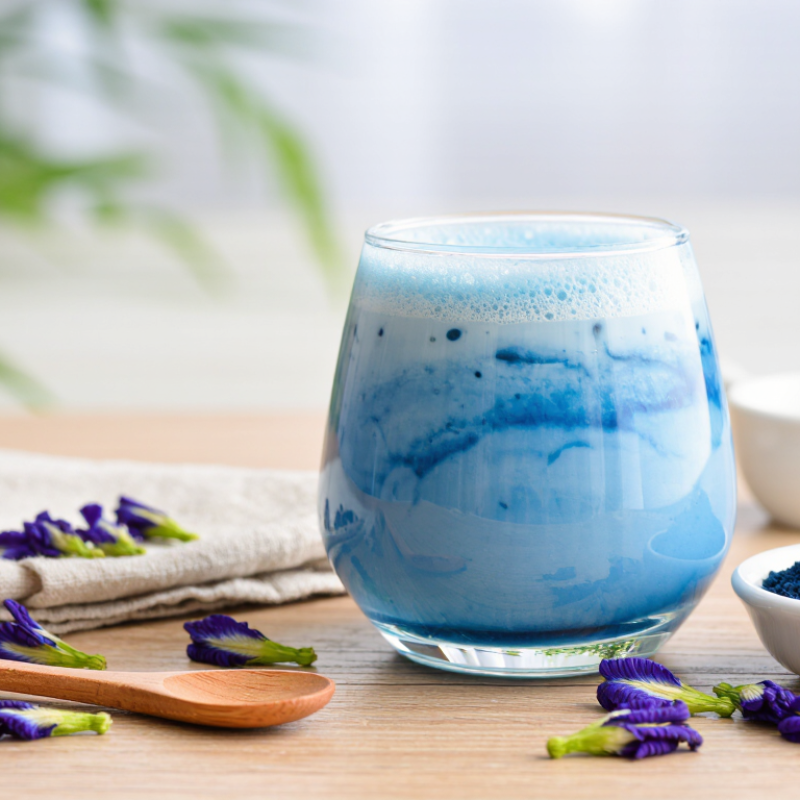
7 Butterfly Pea Powder Benefits and Buying Tips

What Is Butterfly Pea Powder and How Is It Made?

Butterfly pea powder is a blue botanical powder made from dried flowers of Clitoria ternatea. The flowers contain anthocyanins, natural pigments that create their deep blue color. Producers usually hand-sort or mechanically clean the blossoms before drying them. Gentle, low-temperature drying can help protect color and aroma, although methods differ between suppliers. The dried petals are milled into a fine powder, then passed through a sieve for smoother texture. Some processors may blend petals with other plant material, so the ingredient list deserves attention. Pure powder should not need artificial coloring. It may smell faintly earthy or floral. That is normal.

For buying, check the scientific name, country of origin, processing date, and storage guidance. Look for food-grade handling and independent tests for microbes, heavy metals, and pesticides. A vivid blue color does not prove better quality. Freshness, cleanliness, and transparent testing matter more. In drinks, the powder can look bright blue in neutral water and turn purple after lemon or another acidic ingredient. The change is natural, but it may vary with water chemistry and concentration. Not every batch behaves perfectly. I would start with a small amount, sift it, and taste it before using it in tea, yogurt, or baked foods. Keep the container sealed, dry, and away from sunlight. Claims about dramatic health effects deserve caution, because evidence remains limited.

Seven Potential Benefits of Butterfly Pea Powder

Butterfly pea powder is made from dried Clitoria ternatea flowers. Its vivid blue color comes from anthocyanins, plant compounds with antioxidant activity. Evidence remains limited, so its benefits should be described as potential, not guaranteed.

Seven possible benefits deserve attention. It may add antioxidants to smoothies and yogurt. Its caffeine-free nature suits people avoiding stimulating drinks. The blue pigment can make ordinary foods more appealing. Some laboratory research suggests anthocyanins may support cellular protection. Early findings also explore possible support for memory, blood sugar balance, and eye health. Human studies are still small and inconsistent. That matters. Powder is not a treatment.

Buying quality requires practical checks. Choose a product listing the flower source, ingredient, and batch information clearly. A short ingredient list is preferable. Look for sealed packaging and recent testing for heavy metals and microbial contamination. Bright color can be natural, but color alone proves little. Avoid products making dramatic claims about rapid weight loss or disease cures. Store the powder away from heat, light, and moisture. Start with a small culinary amount, such as half a teaspoon, because flavor and tolerance vary. I would also check with a healthcare professional during pregnancy or when taking regular medication. My own assessment is cautious: the color is reliable, but many wellness claims still need stronger human evidence.

7 Butterfly Pea Powder Benefits and Buying Tips

Seven potential benefits are shown by the current research stage. This chart reflects evidence maturity, not the size or certainty of a health effect.

Scale: 1 = traditional use or laboratory research, 2 = early human evidence, 3 = more consistent human evidence. Butterfly pea powder is naturally rich in anthocyanins, but product quality and nutrient levels can vary by cultivar, processing, and serving size. Choose products with clear ingredient labeling, batch testing, and no unnecessary additives.

Nutrients, Active Compounds, and Available Research

7 Butterfly Pea Powder Benefits and Buying Tips

Butterfly pea powder comes from Clitoria ternatea flowers. Its vivid blue color comes from anthocyanins called ternatins. These compounds show antioxidant activity in laboratory studies, although human evidence remains limited. Potential benefits include antioxidant support, a caffeine-free drink option, added color in smoothies, and a mild botanical flavor. It may also contribute small amounts of plant compounds, support more appealing hydration, and provide an alternative to artificially colored powders. The last point sounds modest, but it matters when taste affects daily habits. Research on blood sugar, inflammation, and cognitive effects is still developing. Some findings come from cells or animals, not people.

Tips: Check the ingredient list carefully. A good powder should identify the flower source and avoid unnecessary fillers. Look for testing information covering contaminants, microbes, and heavy metals. Bright color can fade with heat, light, and moisture, so choose sealed packaging. Store it in a cool, dry cupboard. I would not treat color intensity as proof of quality. It may reflect processing instead. Start with a small amount, such as half a teaspoon, and observe your response. People with allergies, medication concerns, or pregnancy-related questions should ask a qualified healthcare professional before regular use. Research gaps remain. That deserves honesty.

Safety Considerations, Side Effects, and Usage Limits

Butterfly pea powder is often added to smoothies, tea, yogurt, and rice for its vivid blue color. Its plant compounds may provide antioxidant activity, but human research remains limited. Color is not proof of superior quality. I once assumed a brighter powder was better, but storage, processing, and natural variation can change its appearance.

Safety deserves more attention than novelty. Some people may experience nausea, stomach discomfort, or loose stools, especially after taking a large serving. Begin with a small amount, such as the quantity recommended on the package. There is no universally established daily limit for concentrated powder. Avoid treating it as a medicine.

Pregnant or breastfeeding individuals, children, and people with liver, kidney, or bleeding conditions should seek professional guidance first. Medication users should ask a qualified clinician, particularly when taking blood-thinning or blood-pressure medicines. Evidence about interactions is incomplete.

Read the ingredient list carefully. Choose food-grade powder with clear sourcing, batch details, storage instructions, and independent testing for heavy metals and microbes. Avoid products with vague blends or exaggerated health promises. Keep the powder sealed, dry, and away from direct sunlight.

Stop using it if you notice rash, breathing difficulty, persistent cramps, or unusual dizziness. Those signs need prompt medical attention. I would also question products that promise dramatic weight loss or instant detox effects. A cautious serving in food is more reasonable than frequent, high-dose use.

How to Choose, Store, and Use High-Quality Powder

Butterfly pea powder offers seven practical benefits: vivid blue color, caffeine-free use, easy blending, natural anthocyanins, recipe versatility, pH-sensitive color changes, and convenient storage. A 2022 review in Food Chemistry links its blue pigments, called ternatins, with antioxidant activity in laboratory testing. These results do not prove medical benefits. That distinction matters. FoodData Central also shows inconsistent entries for this ingredient, so nutrition values can vary by harvest and processing method.

Choose powder with a clear botanical name, harvest information, batch number, and independent testing details. High-quality powder should look evenly blue, smell mildly earthy, and feel dry rather than clumpy. I would reject a dull gray sample or one with a musty odor. Color alone can mislead. Ask for testing related to moisture, microbes, heavy metals, and undeclared coloring agents. A certificate of analysis is useful, but it still deserves careful reading.

Tips: Store the sealed pouch in a cool, dark cupboard. Avoid steam, sunlight, and wet spoons. USDA’s FoodKeeper guidance gives dried herbs and spices roughly one to two years for best quality, but powder may fade sooner after opening. Write the opening date on the lid. Use a clean, dry teaspoon in yogurt, lemonade, rice, or baked goods. Add lemon gradually; acidity can shift blue toward purple or pink. The change is attractive, but uneven mixing remains common.

7 Butterfly Pea Powder Benefits and Buying Tips - How to Choose, Store, and Use High-Quality Powder

Category Benefit or Buying Factor What the Powder May Offer How to Evaluate or Use It Evidence or Caution
Potential Benefits 1. Rich in Anthocyanin Pigments The vivid blue color comes mainly from ternatins, a group of anthocyanin pigments naturally found in butterfly pea flowers. Use a small amount in smoothies, yogurt, oatmeal, or naturally colored beverages. Anthocyanins have antioxidant activity in laboratory research, but the health effect of a specific serving can vary.
2. Provides Antioxidant Compounds Polyphenolic compounds may help neutralize free radicals in test-tube and food-system studies. Combine with a balanced diet that includes fruits, vegetables, legumes, and whole grains. Antioxidant test results do not automatically prove disease prevention or treatment in humans.
3. Naturally Caffeine-Free Pure Butterfly Pea Flower Powder does not naturally contain caffeine, making it suitable for caffeine-free drink recipes. Check the ingredient list before use, especially when buying a blended beverage powder. Caffeine-free status applies to pure powder; added tea, cocoa, or stimulant ingredients may change the formulation.
4. Creates a Natural Color-Changing Effect The blue anthocyanin pigments can shift toward purple or pink when acidic ingredients such as lemon or lime are added. Add the powder to iced drinks, mocktails, rice, desserts, or frostings, then adjust acidity gradually. Color intensity depends on powder concentration, acidity, heat, light, and storage conditions.
5. May Support Healthy Glucose Responses Small human studies of butterfly pea preparations have explored post-meal glucose and insulin responses. Use only as a food ingredient and do not replace prescribed diabetes treatment or dietary advice. Human evidence remains limited; more research is needed to confirm consistent benefits from powder.
6. Adds Plant-Based Color and Flavor Variety It can provide a bright blue hue with a generally mild, earthy, or slightly herbal flavor. Start with a small quantity and pair it with citrus, coconut, vanilla, ginger, or mild sweeteners. Flavor and color vary naturally between harvests and processing batches.
7. Convenient for Everyday Recipes Powder disperses more quickly than whole dried flowers and can be portioned for drinks and foods. A practical starting amount is about 1/4 teaspoon per serving, adjusted for color and taste. Serving sizes are recipe suggestions, not medical recommendations. Follow the product label when available.
Buying Tips Ingredient Purity A short ingredient list helps confirm whether the product is pure butterfly pea flower powder or a blend. Look for “100% butterfly pea flower” or a clearly disclosed blend with no unnecessary fillers. Avoid assuming that a blue color alone proves purity.
Color and Aroma A quality powder is typically blue to blue-violet and should have a mild botanical aroma. Reject products with a musty smell, visible moisture, unusual discoloration, or signs of contamination. Natural color can vary; extreme brightness may reflect processing or added ingredients.
Testing and Traceability Batch information and quality testing can help verify identity, hygiene, and contaminant control. Prefer products with a lot number, expiration date, country of origin, and accessible testing or specification details. Testing claims should be supported by current documentation rather than vague marketing language.
Packaging Anthocyanin pigments are sensitive to light, oxygen, moisture, and excessive heat. Choose an opaque, moisture-resistant, tightly sealed container with a clean scoop or resealable closure. Transparent packaging may allow faster color fading when stored in bright light.
Storage Proper storage helps preserve color, aroma, and powder flow. Keep it sealed in a cool, dry, dark cupboard away from steam, sunlight, and strong odors. Use a dry utensil and discard the powder if it develops mold, persistent clumping, or an off-odor.
Use and Safety The powder is commonly used as a food and beverage ingredient, but individual tolerance may differ. Begin with a small serving, follow label directions, and consult a healthcare professional if pregnant, breastfeeding, taking medication, or managing a medical condition. Stop use if an allergic or unusual reaction occurs. Health claims should not replace professional medical advice.
bottom of page