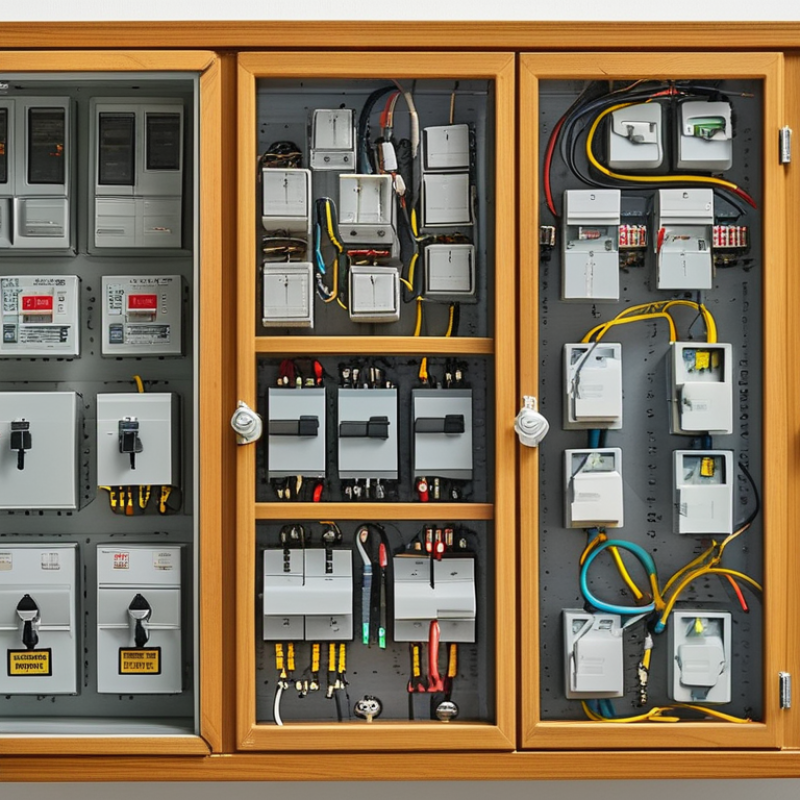
How to Choose the Right Fuse Box Cabinet for Your Needs?
Choosing the right Fuse Box Cabinet is crucial for electrical safety and efficiency in any building. These cabinets house the fuses that protect your electrical system. Selecting the appropriate one can prevent issues like circuit overloads and power shortages.
A well-chosen Fuse Box Cabinet ensures your home or office remains safe. Consider your space, electrical requirements, and local codes. Too often, individuals overlook these factors, leading to inadequate protection. It's essential to understand the specific needs before making a decision.
Quality and design are important aspects. Invest in a reputable brand for durability. Look for cabinets that are easy to access and maintain. A poorly chosen cabinet can result in costly repairs and safety hazards. Reflect on your choices to find the optimal solution for your setup.
Understanding the Purpose of a Fuse Box Cabinet in Electrical Systems
A fuse box cabinet plays a critical role in electrical systems. It serves as the central hub for power distribution throughout a property. By housing fuses or circuit breakers, this cabinet protects electrical circuits from overloads and short circuits. According to the National Fire Protection Association (NFPA), electrical failures are involved in over 30,000 reported fires annually in the United States. A reliable fuse box can significantly reduce these risks.
Selecting the right fuse box cabinet involves understanding your specific needs. Factors include the size of your property and the electrical load requirements. A typical home may require 100 amps, while larger residences could need 200 amps or more. It's crucial to consider future expansion as well. Many homeowners neglect to plan for additional circuits, potentially leading to safety hazards. The Electrical Safety Foundation International (ESFI) indicates that improper installations can lead to electrical shocks or fires.
Additionally, the materials and design of the fuse box cabinet matter. Cabinets should be made of durable, heat-resistant materials to ensure longevity and safety. Certain environments may require weatherproof cabinets, especially in outdoor installations. Many people overlook these details, resulting in inadequate safety measures. Proper installation and periodic maintenance are vital for optimal function, yet often neglected. It is important to evaluate your setup regularly for any signs of wear or damage.
Identifying Your Electrical Needs and Requirements for a Fuse Box
When selecting a fuse box cabinet, identifying your electrical needs is crucial. Start by assessing your home’s total power consumption. Calculate the wattage of all appliances in use. Make a list of these devices. Consider both current and future needs. A growing family or new appliances increases your requirements.
Next, examine the layout of your home. Larger homes often require multiple circuits. It’s vital to account for areas with high electricity usage, like kitchens and home offices. A well-planned fuse box can prevent overloads. Improper planning may lead to costly power outages.
Lastly, ensure you understand local codes and regulations. Compliance is essential for safety. Consulting with a licensed electrician can clarify requirements. Their expertise helps avoid common mistakes. If you feel overwhelmed, seeking professional help is wise. Balancing DIY enthusiasm with caution is sometimes tricky, but it's necessary for safety.
Evaluating Different Types of Fuse Box Cabinets Available in the Market
When evaluating different types of fuse box cabinets, consider your specific requirements. There are several designs available in the market, each with unique features. Wall-mounted cabinets are common in residential spaces. They save floor space and promote easier access to circuits. In contrast, floor-standing models cater to larger installations, often used in commercial buildings.
A recent industry report indicates that approximately 65% of new installations opt for compact and modular designs. This trend highlights the need for flexibility and ease of access in modern electrical setups. Metal cabinets offer robust protection against environmental factors. Plastic options are lightweight and easy to install, but may lack durability.
Tips: Always check the IP rating when selecting a unit. This rating indicates its resistance to dust and moisture. A higher rating ensures long-term reliability. Additionally, assess the cabinet's capacity and make sure it fits your circuit needs. Avoid overloading your fuse box; this can lead to malfunctions and safety hazards. Choose a cabinet that not only meets current demands but also allows for future upgrades. This foresight can save time and costs down the road.
Considering Size, Material, and Aesthetic Factors in Your Choice
Choosing the right fuse box cabinet involves more than merely functionality. Size, material, and aesthetic factors play crucial roles in ensuring a seamless integration into your space. According to industry reports, the standard width for residential fuse box cabinets ranges from 14 to 24 inches. This width allows easy access and accommodates most circuit needs without taking up excessive wall space.
Material choice affects durability. Cabinets made from steel provide strength and can withstand environmental stresses. In contrast, plastic cabinets are lighter but may not offer the same level of protection. Interestingly, a survey indicates that 64% of homeowners prefer metal cabinets for long-term reliability. However, thoughts on aesthetics shouldn't be overlooked. A well-designed cabinet can enhance the overall look of your electrical setup. Color options and finishes can blend or contrast with your interior design.
Reflecting on specific needs can help you make a better decision. Think about how often you access the box. Is aesthetics essential in a utility area? Many struggle with balancing function and style. Ultimately, your choice should align with your practical needs while still meeting personal taste.
How to Choose the Right Fuse Box Cabinet for Your Needs?
| Dimension | Value | Material | Aesthetic Factor |
| Size (Height x Width x Depth) | 20 x 15 x 5 inches | Steel | Modern |
| Size (Height x Width x Depth) | 30 x 20 x 10 inches | Plastic | Compact |
| Size (Height x Width x Depth) | 24 x 16 x 6 inches | Aluminum | Sleek |
| Size (Height x Width x Depth) | 28 x 18 x 8 inches | Fiberglass | Rustic |
| Size (Height x Width x Depth) | 32 x 24 x 12 inches | Stainless Steel | Industrial |
Assessing Safety Standards and Compatibility with Existing Electrical Systems
When choosing a fuse box cabinet, understanding safety standards is crucial. In the U.S., the National Electrical Code (NEC) sets the foundation for safety. Ensuring compliance with these regulations protects both your property and safety. Research shows that electrical fires account for about 51,000 incidents annually, causing over $1.3 billion in property damage. Investing in a quality cabinet significantly reduces risks.
Compatibility with existing electrical systems is often overlooked. If your current wiring is outdated, a new cabinet may not integrate seamlessly. Assessing the amperage and voltage of your present setup helps avoid potential issues. The U.S. Department of Energy reports that around 30% of homes have outdated wiring. Upgrading to a compatible fuse box can enhance efficiency. Homeowners must consider their specific needs.
Many forget to factor in the environment where the cabinet will be installed. Moisture-prone areas require extra protection. In fact, the International Electrotechnical Commission (IEC) emphasizes protection ratings like IP65 for damp locations. Choosing the wrong cabinet can lead to premature failures or safety hazards. Always consult an expert if unsure about compatibility.
Fuse Box Cabinet Safety Ratings and Compatibility