What is a Dust Collection Unit and How Does it Work?
In the realm of woodworking and manufacturing, the significance of a Dust Collection Unit cannot be overstated. According to John Miller, a leading expert in industrial air quality solutions, "A proper dust collection system is vital for both safety and efficiency." This statement underscores the necessity of these units in maintaining clean and safe work environments.
A Dust Collection Unit works by capturing and filtering dust particles generated during various processes. It operates through suction that pulls in airborne dust and sends it through filters that separate particles from the air. Workers may not realize how these systems can improve air quality and visibility on the shop floor.
However, not every Dust Collection Unit is created equal. Factors such as filter quality, airflow capacity, and maintenance can greatly affect performance. Reflecting on personal experiences, many professionals find themselves wishing they had paid closer attention to the selection and upkeep of their dust systems. Efficient dust collection systems require regular evaluation and adjustments for optimal results. In many cases, a poorly implemented system can lead to lingering dust issues and compromised health standards.
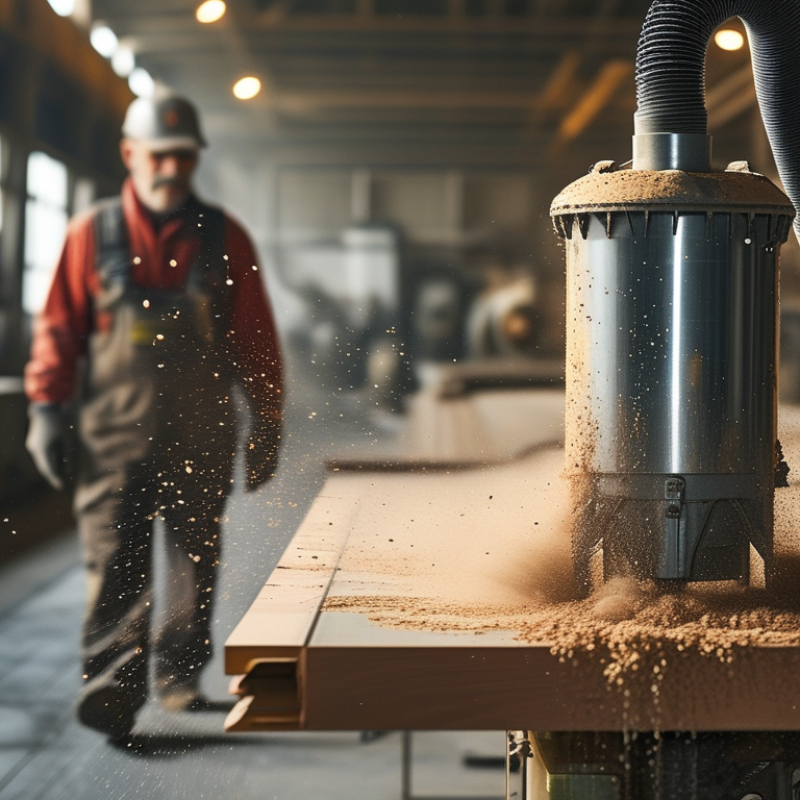
Definition and Purpose of a Dust Collection Unit
A dust collection unit is vital for maintaining clean and safe workspaces, especially in workshops and manufacturing settings. This device captures and filters harmful dust particles generated during various activities. The primary purpose of a dust collection unit is to improve air quality by reducing airborne contaminants. It works by using a fan to create suction, drawing in dust and debris. These particles pass through filters that trap them, allowing cleaner air to circulate back into the environment.
Choosing the right type of dust collection unit is crucial. Consider the size of the workspace and the amount of dust produced. A small workshop may only need a portable unit, while larger spaces require more powerful systems. It's also essential to regularly inspect and replace filters to ensure optimal performance. A neglected filter can reduce effectiveness and increase health risks.
Proper installation of the dust collection unit can greatly improve its efficiency. Make sure to place it close to the source of dust. Seal any leaks in ductwork to avoid dust escape. Keeping the surrounding area clean also helps maintain the unit's effectiveness. Regular cleaning and maintenance should be part of any dust management plan. This proactive approach minimizes dust buildup and enhances worker safety.
What is a Dust Collection Unit and How Does it Work?
| Feature | Description |
| Definition | A dust collection unit is a system designed to reduce airborne dust and particles in an industrial or workshop environment. |
| Components | Typically includes a blower, filter, and collection bin or bag to separate dust from the air. |
| Purpose | To improve air quality, enhance worker safety, and maintain a clean workspace by minimizing dust accumulation. |
| Operation | Air is drawn in by the blower, passed through filters to capture dust particles, and then expelled clean back into the environment. |
| Types | Includes portable units, fixed systems, and central vacuum systems, each catering to different operational needs. |
| Maintenance | Regular filter cleaning or replacement and checking for blockages to ensure optimal performance. |
Components of a Dust Collection Unit
A dust collection unit is essential for maintaining a clean workspace. Its components work together to capture dust and debris, improving air quality. Key parts include the fan, filters, and collection bins. Each plays a vital role in the unit's efficiency.
The fan creates suction, drawing in air with dust particles. Filters then capture these particles, preventing them from re-entering the air. Various filter types exist, such as bag filters and cartridge filters. The choice depends on dust size and application. Collection bins store the captured dust for easy disposal.
Maintenance is crucial for optimal performance. Regularly checking filters ensures the unit operates efficiently. If filters are clogged, airflow decreases, and dust escapes. Some users neglect this, leading to inefficiency. Identifying these responsibilities is essential to ensure a clean environment.
How Dust Collection Units Operate Mechanically
Dust collection units are essential in various industries. They efficiently remove airborne particles, promoting a cleaner and healthier workspace. But how do they operate mechanically? Understanding this process is crucial for optimizing their effectiveness.
At the heart of a dust collection unit is its filtration system. Air is drawn in, often using a powerful fan. This air passes through filters designed to capture fine dust particles. The filters can vary in type, from bag filters to cartridge filters. Each option has its own advantages and challenges. The filtration efficiency directly impacts the unit's performance. Regular maintenance is required to ensure filters remain unclogged.
After filtration, collected dust is stored in a hopper. This component is often overlooked. Proper design and maintenance of the hopper can prevent dust from escaping back into the air. Some units feature automatic cleaning systems, which can remove dust buildup on filters. However, these systems may not always function perfectly. Regular inspections and adjustments are needed to maintain optimal performance. Understanding these mechanical components can help users effectively operate dust collection units, but ongoing attention is essential.
Types of Dust Collection Systems Available
Dust collection systems play a critical role in maintaining a clean and safe working environment. Various types of systems are available, each suited for different applications. Common types include baghouse systems, cyclones, and cartridge collectors. Baghouse systems use fabric filters to collect dust and are effective for larger particles. Cyclones utilize centrifugal force, separating dust from air flow. Cartridge collectors are compact and often suitable for smaller operations.
When selecting a dust collection system, consider the nature of dust generated. Wood shops may require systems that handle large wood particles. On the other hand, metalworking facilities produce finer dust that demands more specialized filters. Each system has its advantages and limitations. It's crucial to evaluate factors like airflow requirements, space, and maintenance needs.
Controlling dust in industrial settings is essential. A well-designed dust collection system can enhance air quality and protect workers. Regular maintenance ensures optimal performance. Ignoring maintenance can lead to inefficiencies and increased downtime. Stay informed about the material being processed and adjust your system accordingly. Always seek guidance from professionals to avoid costly mistakes.
Benefits of Using a Dust Collection Unit in Various Industries
A dust collection unit is essential in various industries, from woodworking to metalworking. These units help maintain a clean and safe environment by removing harmful dust particles. When machines operate, they create dust that can be hazardous. A dust collection unit captures this material, filtering it from the air.
In woodshops, for instance, the accumulation of sawdust can cause respiratory issues. The dust collection unit minimizes airborne particles. As a result, workers can breathe easier, reducing health risks. In industries like metal fabrication, the collection of metal shavings and dust is equally crucial. The effectiveness of these units can lead to enhanced productivity and safety.
However, not every dust collection unit is perfect. Some may struggle with specific particle sizes or materials. Regular maintenance is vital to ensure optimal performance. Users often overlook this, leading to inefficiency. A reliable dust collection system is an investment that pays off through health benefits and improved working conditions.