What is a Heavy Duty Slurry Pump and How Does It Work?
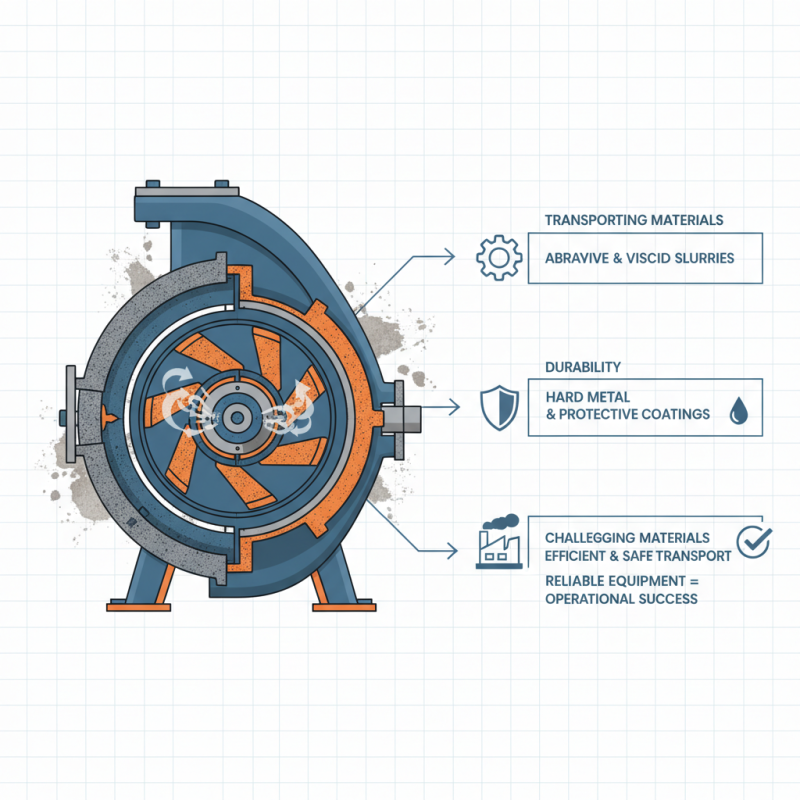
In the world of industrial machinery, the heavy duty slurry pump plays a crucial role. It is designed for transporting abrasive and viscid materials. Michael Thompson, an expert in wastewater management, states, “A heavy duty slurry pump is essential for efficient and safe transport of challenging materials.”
Understanding how these pumps work is vital. They utilize a unique mechanism to handle tough slurries without failure. The pump's construction often includes hard metal and protective coatings. This ensures durability even in harsh environments. Many operators face challenges when choosing the right pump.
Some pumps may not perform as expected. This can lead to downtime and increased costs. Knowing the specifications of a heavy duty slurry pump can prevent these issues. Ultimately, investing in reliable equipment is essential for operational success.
What is a Heavy Duty Slurry Pump?
A heavy duty slurry pump is designed for transporting thick mixtures of solids and liquids. These pumps are essential in industries like mining, construction, and wastewater management. They handle abrasive materials that can wear down regular pumps. According to industry reports, these pumps can handle solid concentrations of up to 70%. This capability sets them apart in heavy-duty applications.
These pumps operate by utilizing a centrifugal mechanism. The impeller spins rapidly to create energy, pushing the slurry through the pump. Materials like rubber and metal withstand harsh conditions. The flow rate can range from 10 to 20,000 gallons per minute. However, improper selection can lead to inefficiencies. Not every pump can handle every type of slurry. Thus, understanding the specific needs of the material is critical.
Regular maintenance is also essential. Wear and tear can significantly affect performance. Operators must frequently check for blockages and wear on components. Data shows that improper upkeep can reduce pump life by 30%. A well-maintained slurry pump avoids costly downtimes. Ignoring this can lead to severe operational setbacks, which many industries may overlook.
Key Components of a Heavy Duty Slurry Pump
A heavy-duty slurry pump is instrumental in many industries, particularly mining and construction. Its ability to handle abrasive slurries makes it essential. Key components of these pumps include the casing, impeller, and shaft. Each part plays a critical role in ensuring the pump operates efficiently under tough conditions.
The casing provides the structure to withstand high pressures. Usually made of high-chrome alloy or other robust materials, it protects the internal parts from wear. The impeller is crucial for fluid motion, generating the necessary forces to move heavy slurries. This component often suffers from erosion, highlighting the need for regular maintenance. Data from industry reports indicate that improperly maintained impellers can reduce pump efficiency by over 30%.
The shaft transmits power from the motor to the impeller. Its design must accommodate heavy loads, ensuring durability. Unfortunately, many users overlook the importance of shaft alignment. Misalignment can lead to premature failures and increased operational costs. According to recent studies, proper alignment can extend pump life by nearly 50%. Regular inspections and proactive maintenance strategies are vital for optimal performance.
How Heavy Duty Slurry Pumps Function Mechanically
Heavy duty slurry pumps are essential in industries requiring the transfer of thick liquids. They operate using robust mechanical components designed to withstand harsh environments. Typically, these pumps use centrifugal mechanisms to generate flow. The impeller, a key part of the pump, spins rapidly, creating a pressure differential that moves the slurry. This process relies on high-tensile materials to prevent wear over time.
For example, according to industry reports, the average slurry pump operates at around 70-80% efficiency, dependent on the slurry's viscosity and density. Operators face challenges in maintaining this efficiency. Abrasive materials can erode the impeller and casing, leading to increased downtime. Regular inspections and replacement of worn parts are necessary. Ignoring these issues can lead to catastrophic failures.
Mechanical seal design also plays a significant role in pump function. Poorly designed seals can cause leaks, which are costly and dangerous. Industry data shows that leaks account for nearly 15% of maintenance costs. It's crucial to select appropriate seals that balance durability and cost. Many operators underestimate this aspect, leading to frequent repairs and inefficiencies. Evaluating the full lifecycle of these pumps can reveal areas for improvement.
Applications of Heavy Duty Slurry Pumps in Various Industries
Heavy duty slurry pumps play a crucial role across various industries. They are designed to handle thick, abrasive mixtures. Common applications include mining, construction, and wastewater management.
In the mining sector, these pumps transport mineral slurries. The harsh conditions require pumps that withstand wear and tear. They help move materials efficiently, ensuring productivity.
In construction, heavy duty slurry pumps aid in foundation drilling. They handle cement mixtures and other slurries. Proper pump selection can reduce downtime. Ensure you monitor pump performance regularly.
When it comes to wastewater, these pumps manage sludge and slurry. They help in treatment plants, ensuring clean water is processed. It's essential to maintain these pumps to avoid costly repairs.
Tips: Regular inspections can prolong pump life. Always check for wear on the impeller. Ensure you're using proper sealing methods for efficiency. These details may seem small, but they can make a significant difference.
Maintenance Tips for Heavy Duty Slurry Pumps
Heavy duty slurry pumps play a crucial role in various industries. They handle thick, abrasive materials, making maintenance a key focus. Regular and proper maintenance extends the lifespan of these pumps, ensuring efficient operation.
One essential maintenance tip is monitoring wear parts. This includes impellers and liners that face significant stress. According to industry reports, over 60% of slurry pump failures happen due to wear. Operators should conduct frequent inspections and replace worn components before they lead to bigger issues. A simple visual check can reveal excess wear or misalignment.
Another critical aspect is ensuring proper lubrication. Insufficient lubrication can increase friction and lead to overheating. Inspect grease levels regularly and use the right type of lubricant for your pump. Research indicates that proper lubrication can enhance pump efficiency by up to 15%. It is essential to operate within recommended temperature ranges, as overheating can lead to irreversible damage.
Lastly, operators should maintain clear communication with their teams. A shared understanding of maintenance schedules can prevent costly downtimes. In some cases, pump operators may overlook minor issues, which can escalate into major failures. Emphasizing a culture of vigilance often makes a difference in operational efficiency.
What is a Heavy Duty Slurry Pump and How Does It Work? - Maintenance Tips for Heavy Duty Slurry Pumps
| Feature | Description | Maintenance Tips |
| Material | Typically constructed with high-quality alloys or rubber, providing resistance to abrasion and corrosion. | Regularly inspect for wear and replace parts as needed. |
| Applications | Used in mining, construction, and industrial applications for transporting slurries. | Ensure the pump is suitable for the specific type of slurry being handled. |
| Operation | Operates by converting mechanical energy into hydraulic energy to move the slurry. | Monitor for unusual noises or vibrations, which may indicate operational issues. |
| Capacity | Can handle large volumes of slurry, often measured in cubic meters per hour. | Evaluate the flow rate regularly to ensure optimal performance. |
| Seal Types | Can come with mechanical seals or gland packing to prevent leakage. | Inspect seals for wear and replace them to maintain efficiency. |
| Power Source | Usually powered by electric motors or diesel engines. | Check power connections and functionality of the motor or engine regularly. |