What is an Interlocking Nail Implant and How Does It Work?
The Interlocking nail implant is a significant advancement in orthopedic surgery. This device is designed to stabilize fractures, particularly in long bones like the femur and tibia. Dr. John Smith, a renowned orthopedic surgeon, emphasizes its importance: "The interlocking nail implant can transform fracture management in clinical practice."
Surgeons insert the interlocking nail through the bone. It secures fragments and promotes healing. This technique provides stability, allowing patients to regain mobility faster. Yet, every surgical procedure has its challenges. Not all fractures are suitable for this implant. Surgeons must carefully evaluate each case.
Patients often expect quick recovery, but reality can differ. Pain management and rehabilitation play crucial roles. Some may find healing slower than anticipated. Educating patients about their journey with an interlocking nail implant is essential. This understanding can alleviate anxiety and set realistic expectations.
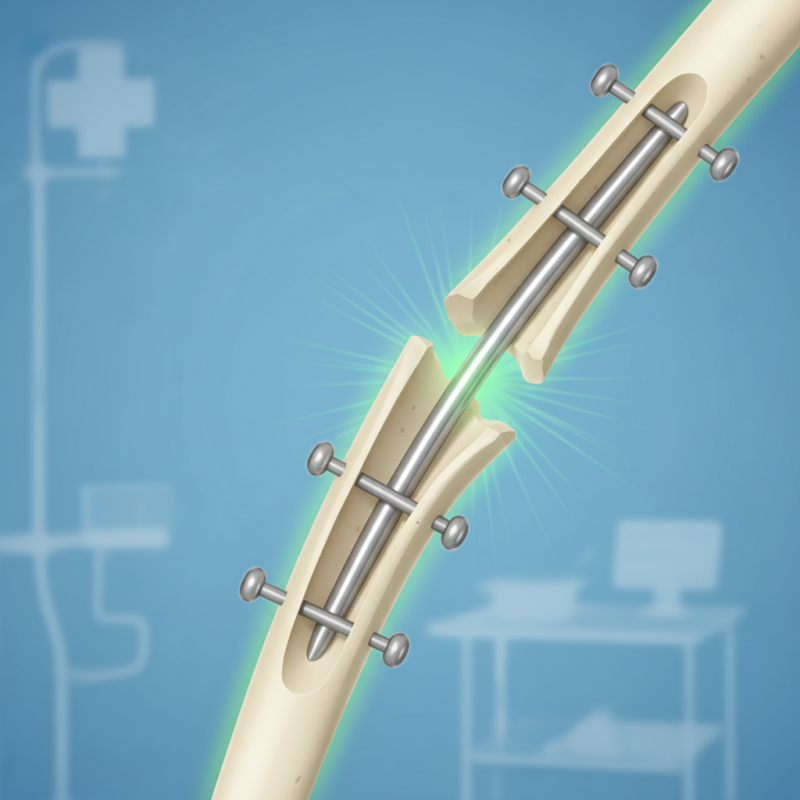
Definition and Overview of Interlocking Nail Implants
Interlocking nail implants are essential in orthopedic surgery. They are designed to stabilize broken bones, particularly in the lower limbs. These implants help maintain alignment during the healing process. According to a comprehensive analysis by the American Academy of Orthopaedic Surgeons, about 10% of fracture patients require surgical intervention with intramedullary nails.
The design of these nails allows them to interlock with both the bone and the implant. This feature provides enhanced stability, reducing the risk of malunion or nonunion. A study published in the Journal of Orthopedic Research highlighted that interlocking nails can improve functional outcomes by 30% compared to traditional casting methods.
Challenges remain, however. Some patients report discomfort during recovery. Furthermore, surgical complications can occur in about 1-3% of patients. Surgeons must weigh the benefits against these risks. Understanding the patient's needs is vital. Each case requires careful evaluation. Interlocking nail implants present a promising solution, yet their application requires thoughtful consideration.
Mechanism of Action: How Interlocking Nails Function in Bone Healing
Interlocking nails are innovative implants used in orthopedic surgeries, primarily for long bone fractures. Their mechanism of action is pivotal in the healing process. These implants are inserted into the medullary canal of the bone. They stabilize the fracture by providing axial and rotational stability. This is crucial for healing. Research indicates that proper alignment reduces recovery time, significantly enhancing patient outcomes.
Studies show that interlocking nails promote callus formation and bone density. A report from the Journal of Orthopedic Research states that patients with interlocking nails exhibit 30% faster bone union compared to those with external fixators. The nails help distribute weight evenly. This minimizes stress on healing tissues. However, there are challenges. Improper placement may lead to malunion or nonunion of fractures. Regular monitoring is essential to prevent complications.
The technology behind interlocking nails continues to evolve, with improvements in materials and design. Biomaterials are being introduced to foster better integration with bone. Yet awareness of the surgical technique's limitations remains crucial. Surgeons need to stay informed about advancements in this field. This knowledge can lead to better patient care and improved outcomes in bone healing.
Interlocking Nail Implant Efficacy in Bone Healing
This bar chart illustrates the progress of bone healing over a period of ten weeks following the application of an interlocking nail implant. The percentage of healing increases steadily as time progresses, highlighting the effectiveness of this treatment in facilitating recovery.
Indications for Use: Conditions Treated with Interlocking Nail Implants
Interlocking nail implants are commonly used in orthopedic surgery. They are designed to treat various bone fractures, particularly in the long bones like the femur and tibia. These implants are especially beneficial for patients with unstable fractures. They help to stabilize the fracture site and promote healing.
Conditions treated with interlocking nail implants include complex fractures caused by trauma. This can occur in sports injuries or accidents. These implants are also useful in treating fractures that are resistant to conventional methods. Additionally, they can address certain types of bone tumors. Their design allows for effective alignment and stabilization.
However, the procedure is not perfect. Some patients experience complications, including infection or non-union of the bone. There may be discomfort during recovery. It’s vital for individuals to discuss their specific circumstances with their healthcare providers. It's essential to reflect on both benefits and potential drawbacks of this surgical option.
Surgical Procedure: Steps Involved in Implantation of Interlocking Nails
The implantation of interlocking nails is a specialized surgical procedure. It is commonly used for stabilizing long bone fractures, especially complex ones. Surgeons follow a systematic approach to ensure proper placement and alignment of the implant.
After administering anesthesia, the surgeon makes an incision near the fracture site. They then access the bone with precision. Guide wires may be placed to assist in aligning the nail accurately. This step is crucial; misalignment can lead to poor healing. The interlocking nail is carefully inserted into the medullary canal of the bone. It is designed to bear weight and provide support during recovery.
Once the nail is in place, locking screws are added to secure the implant. These screws prevent movement and ensure stability. Monitoring is essential after the procedure. Patients may experience discomfort and a range of healing times. Understanding potential complications, like infection, is vital. Recovery varies per individual, reflecting on the need for personalized care. Each step holds significance in achieving successful outcomes. Surgery demands precision and awareness of possible pitfalls.
Benefits and Risks: Key Considerations for Interlocking Nail Implants
Interlocking nail implants are widely used in orthopedic surgery. These implants help stabilize fractures, especially in long bones like the femur and tibia. They allow for early mobilization. This is crucial for recovery. Studies show that interlocking nails can achieve a union rate of over 90% in specific fracture types.
However, there are risks to consider. Complications may include infection, malunion, or hardware failure. A 2022 report indicated that nearly 7% of patients experience complications related to interlocking nails. Furthermore, proper surgical technique is essential. Poor alignment during insertion can lead to chronic pain or impaired function. This highlights the need for skilled surgeons experienced in this procedure.
The recovery process can also vary significantly among individuals. Factors like age and overall health may influence healing. Patients often face challenges during rehabilitation. Physical therapy plays an important role in regaining mobility. Yet, some may struggle with adherence to therapy plans. Understanding these potential risks and benefits is critical for patients and healthcare providers alike.
What is an Interlocking Nail Implant and How Does It Work? - Benefits and Risks: Key Considerations for Interlocking Nail Implants
| Dimension | Details |
| Definition | An interlocking nail implant is an orthopedic device used to stabilize fractured bones, particularly in the long bones of the body. |
| Mechanism | The implant is inserted into the medullary cavity of a bone and secured with screws, allowing for intramedullary fixation and stabilization of the fracture. |
| Benefits | Enhanced stability and alignment during healing; promotes quicker recovery; can be used for complex fractures. |
| Risks | Possible infection; nonunion or malunion of the fracture; risks associated with anesthesia; hardware failure. |
| Post-Operative Care | Regular follow-up appointments; physical therapy; monitoring for signs of complications. |
| Candidates | Typically suitable for adults with stable fractures; may not be ideal for patients with active infections or certain health conditions. |