What is a Modular Cold Room and How to Choose One?
A Modular cold room is an innovative solution for temperature-sensitive storage needs across various industries. According to a recent market analysis by Grand View Research, the global cold storage market is expected to reach USD 360.8 billion by 2026, growing at a CAGR of 10.7%. This significant growth highlights the increasing demand for efficient storage solutions, particularly in the food and pharmaceutical sectors.
Choosing the right modular cold room requires careful consideration of various factors. The size, temperature range, and energy efficiency are crucial elements to evaluate. Energy consumption accounts for nearly 30% of operating costs in cold storage facilities, making efficiency a top priority. Moreover, advancements in technology have made these modular systems more customizable, allowing businesses to adapt to their specific needs.
Despite their advantages, potential challenges exist. Factors like installation time and initial investment may lead to hesitation. Additionally, maintaining optimal conditions requires regular monitoring and updates. Understanding these aspects is critical for making an informed decision about modular cold rooms.
What is a Modular Cold Room?
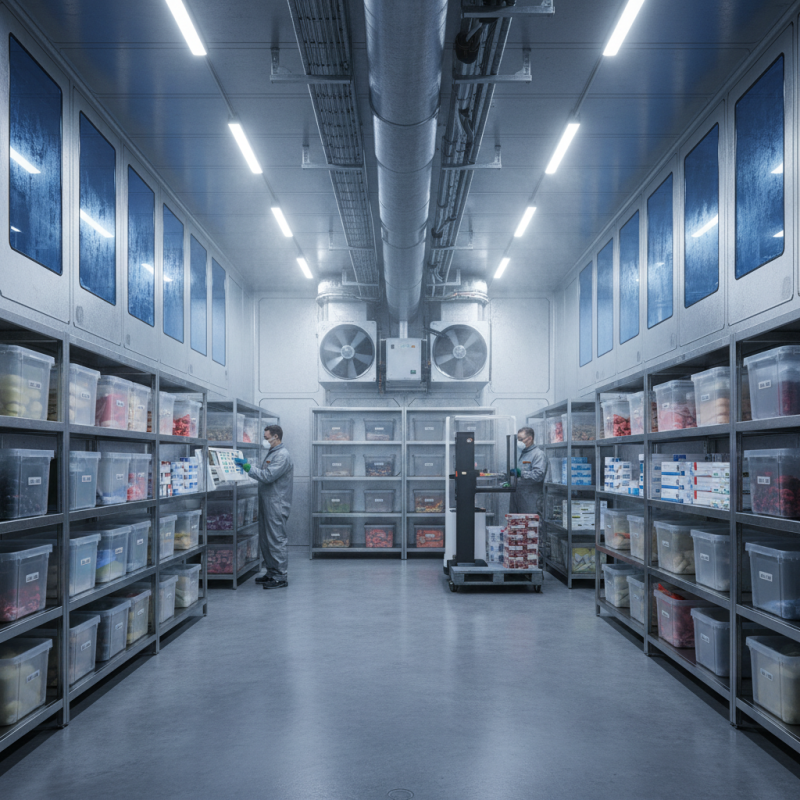
A modular cold room is a flexible solution for temperature-sensitive storage. These rooms are designed with interchangeable panels, making them easy to expand or reduce based on requirements. They are perfect for businesses in food storage, pharmaceuticals, or chemicals. The modular design allows for efficient use of space, adapting to various needs over time.
These cold rooms come with insulation to maintain the desired temperature. The level of insulation is crucial; inadequate insulation can lead to energy loss. When choosing a modular cold room, consider the thermal performance, size, and layout. Not all options will fit every business model, and it's important to reflect on specific operational needs.
These structures are not just about cold storage; they impact workflow. A poorly placed cold room can disrupt operations. Sometimes, it's easy to overlook the placement during planning. Proper assessment can prevent future hassles. A proper site evaluation is essential to harness all their potential.
Modular Cold Room Efficiency by Size
This bar chart represents the energy efficiency of modular cold rooms based on different sizes. As the size increases, the energy consumption also rises, illustrating the trade-off between capacity and energy use.
Key Features of Modular Cold Rooms
Modular cold rooms are essential for various industries, providing temperature-controlled environments. When choosing one, it's crucial to focus on their key features. These rooms come with customizable sizes and configurations. It allows businesses to optimize space efficiently. A report from the International Institute of Refrigeration highlights that proper insulation can enhance energy efficiency by up to 30%. This directly reduces operational costs.
Temperature control is another critical feature. Advanced modular cold rooms maintain specific ranges, which is vital for preserving food and pharmaceuticals. The American Society of Heating, Refrigerating and Air-Conditioning Engineers states that maintaining the right temperature extends the shelf life of perishable goods significantly. Furthermore, monitoring systems should be considered. Real-time temperature tracking can prevent costly losses.
The materials used in construction are worth mentioning. High-quality panels contribute to durability and energy efficiency. Yet, not all manufacturers adhere to the same standards. Businesses should investigate thermal performance ratings to ensure reliability. Some may overlook this detail, leading to insufficient insulation or premature wear. Ultimately, careful consideration of these features helps ensure that the selected modular cold room meets both current and future needs.
Benefits of Using Modular Cold Rooms
Modular cold rooms are becoming essential in various industries. They provide a flexible solution for temperature-sensitive storage needs. One key benefit is their energy efficiency. Reports indicate that modular cold rooms can reduce energy consumption by up to 30% compared to traditional refrigeration systems. This efficiency translates directly into cost savings and a smaller carbon footprint.
Another significant advantage is their adaptability. Modular cold rooms can be customized to fit specific dimensions and temperature requirements. This flexibility is vital for industries like food and pharmaceuticals, where precise temperature control is necessary. A study found that improper storage conditions lead to substantial losses in these sectors. By investing in a modular cold room, businesses can mitigate these risks.
Additionally, the speed of installation is a noteworthy aspect. Unlike traditional constructions, modular solutions can be set up quickly, enabling businesses to respond promptly to changing needs. However, not all modular cold rooms are created equal. Potential buyers must evaluate design, insulation quality, and operational efficiency. Failing to consider these factors can lead to increased operational costs and inefficiencies. Therefore, due diligence is crucial before making a decision.
Factors to Consider When Choosing a Modular Cold Room
When choosing a modular cold room, it’s crucial to consider several factors. First, assess the size requirements for your specific needs. Measure the space available and determine the capacity needed. Ensure the chosen cold room fits well without blocking other facilities.
Next, think about temperature control. Different materials require various temperature levels for preservation. Evaluate if you need adjustable temperatures or a constant setting. Look for features like insulation thickness and seal quality, as these affect energy efficiency.
It’s also wise to consider the design and layout. A well-structured cold room facilitates easy access and organization. Reflect on your workflow and how the cold room integrates with your operations. Lastly, consider the brand's reputation, service support, and warranty offered. Research different modular cold room options for reliability.
What is a Modular Cold Room and How to Choose One? - Factors to Consider When Choosing a Modular Cold Room
| Feature | Description | Importance |
| Temperature Range | The specific temperature levels the cold room can maintain. | Ensures the preservation of sensitive products. |
| Size and Capacity | Dimensions and volume available for storage. | Directly affects storage capacity and efficiency. |
| Insulation Material | Type of insulation used for thermal efficiency. | Affects energy consumption and temperature control. |
| Energy Efficiency | Rating of energy consumption and performance. | Lower operating costs and environmental impact. |
| Mobility | Ability to relocate the cold room as needed. | Flexibility in storage solutions and space management. |
| Control Systems | Technology used for monitoring and regulating temperature. | Crucial for maintaining product integrity. |
| Compliance Standards | Adherence to local regulations and safety requirements. | Legal protection and assurance of safety. |
Different Applications of Modular Cold Rooms
Modular cold rooms play a crucial role in various industries. They provide controlled environments for temperature-sensitive goods. The flexibility of these units allows for diverse applications. Food storage is one of the most common uses. Restaurants and supermarkets rely on cold rooms to keep perishable items fresh. A well-maintained cold room can extend the shelf life of meat, dairy, and produce.
Pharmaceutical companies also utilize modular cold rooms for storing vaccines and medicines. These products often require specific temperature ranges to remain effective. In this field, precision is key. Any deviation from the required conditions can lead to waste and financial loss.
Furthermore, floral shops and botanical gardens benefit from cold rooms to preserve flowers and plants. The right temperature helps maintain their vibrancy. However, some facilities may struggle with inefficient setups. Poor insulation or inadequate monitoring can compromise the efficacy of cold rooms. Regular assessments and updates are essential to ensure optimal function.