Contact Us
Contact Us

Your Total Safe Patient Handling Partner
1000 Items
5 Tips for Choosing a Cylinder Piston Rod
A Cylinder Piston Rod may look like a simple metal shaft, but its surface, dimensions, and material affect how a cylinder performs. It transfers force while moving through seals and bearings, often in dusty, wet, or high-cycle conditions. Small details matter. A rod that is too soft may wear quickly, while a poorly matched coating can damage seals or corrode in service.
Choosing the right rod starts with the application, not a product photo. Check the cylinder drawing, operating pressure, stroke, side loads, speed, and environment. Then compare rod diameter, material strength, straightness, surface finish, and corrosion protection with the equipment maker’s specifications. A bright finish does not guarantee a suitable component. Ask for material and coating details when they are not clearly stated, and confirm compatibility with the existing seals and guides. If measurements are uncertain, stop and verify them; a rushed estimate can be costly.
These five tips will help you assess fit, durability, and supplier information before ordering a replacement or specifying a new cylinder. They are a useful starting point, not a substitute for engineering review. Real installations can be messy. Vibration, contamination, and uneven loading may change what matters most, so consider service records and actual working conditions alongside catalog data.
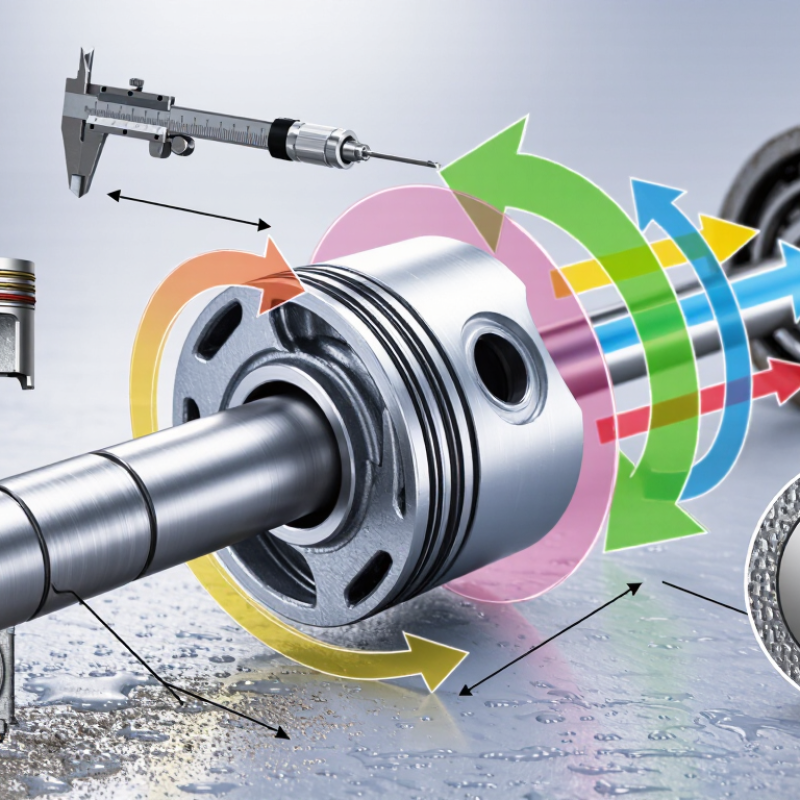
Identify the Cylinder’s Operating Requirements
Before choosing a piston rod, define the cylinder’s real operating conditions. Record working and peak pressure, stroke length, travel speed, cycle frequency, and time under load. Include the machine’s mounting position and any sideways force on the rod. A cylinder that pushes straight ahead faces different demands from one supporting a vibrating, offset load. That detail matters.
Use published standards as reference points, not as a substitute for checking the application. ISO 6020-1 specifies a 160-bar medium-duty cylinder series, while ISO 6022 covers a 250-bar heavy-duty series. These ratings describe standardized cylinder series; they do not confirm that a particular rod will resist buckling or fatigue in your machine. Check the manufacturer’s load and stroke data, then compare it with measured peak pressure and the longest unsupported rod extension. Small alignment errors matter.
Note dust, moisture, washdown, and temperature swings, too. They affect surface wear and corrosion risk. A clean specification sheet can hide rough service. Review maintenance logs and pressure readings across a full operating cycle, including startup, when pressure spikes may occur. If readings are missing, say so—and treat the estimate cautiously.
5 Tips for Choosing a Cylinder Piston Rod - Identify the Cylinder’s Operating Requirements
Start with the cylinder’s real operating conditions. The examples below are illustrative selection inputs; final rod dimensions and materials should be confirmed against the cylinder design and applicable load calculations.
| Tip | Operating requirement to identify | Example data | How it guides rod selection |
|---|---|---|---|
| 1. Define the load and pressure | Maximum push and pull loads, working pressure, and any load peaks. | A 80 mm bore at 160 bar produces about 80.4 kN of theoretical extension force, before losses. Retraction force is lower because the rod reduces the effective piston area. | Check rod tensile and compressive stresses for the actual forces. Include acceleration, shock, and other load peaks; do not select a rod from nominal pressure alone. |
| 2. Check stroke and buckling risk | Stroke length, unsupported rod length, mounting arrangement, and load direction. | A 500 mm stroke with a rod-end load carried mainly in compression needs a buckling check. The result depends on rod diameter, unsupported length, and end restraint. | Use a suitable buckling calculation for the complete cylinder and mounting arrangement. A longer unsupported length or less favorable restraint can require a larger rod diameter. |
| 3. Establish speed and duty cycle | Rod speed, cycle frequency, operating hours, and whether motion is continuous or intermittent. | For a 0.5 m stroke at 0.2 m/s, one extension stroke takes about 2.5 seconds, excluding acceleration and deceleration. | Frequent cycling increases wear at the rod seals and guides. Confirm that the rod surface finish, straightness, and surface treatment are compatible with the seal system and specified duty. |
| 4. Match the environment and corrosion exposure | Indoor or outdoor use, moisture, chemicals, salt exposure, dust, and temperature range. | A rod exposed to rain or washdown faces different corrosion risks from one operating in a clean, dry indoor machine. | Specify a rod material and corrosion-resistant surface treatment appropriate to the exposure. Confirm compatibility with the seals, contaminants, and maintenance plan. |
| 5. Verify alignment and side loading | Mounting geometry, linkage movement, alignment tolerance, and any transverse force on the rod. | A clevis-mounted cylinder connected to a mechanism that moves through an arc may experience side loading if the joint cannot pivot freely. | Reduce side loads through proper alignment and suitable joints or guides. Side loading can accelerate wear, damage rod seals, and bend the rod; a larger rod alone may not solve the cause. |
Selection note: Treat the example figures as screening inputs, not a final design specification. Confirm rod diameter, material, finish, buckling capacity, and seal compatibility using the actual load cases and cylinder configuration.