10 Essential Tips for Choosing Handicapped Lift Systems for Accessibility
Choosing the right handicapped lift systems is crucial for ensuring accessibility. According to James Caldwell, an expert in accessible design, “Selecting the appropriate lift system can change lives.” His insight highlights the importance of making informed choices in this industry.
Understanding the various options available is key. Handicapped lift systems come in different types, such as vertical and inclined lifts. Each type serves unique needs. Users must consider factors like space, budget, and intended use before making decisions. Too often, people overlook these details. This oversight can lead to unsuitable installations.
The importance of reliable information cannot be overstated. Consumers often face confusion due to the myriad options on the market. Consulting with professionals like Caldwell can provide clarity. Remember, accessibility should never be compromised. Selecting the wrong system could impact safety and independence. Choosing wisely is essential for enhancing quality of life.
Understanding Different Types of Handicapped Lift Systems Available
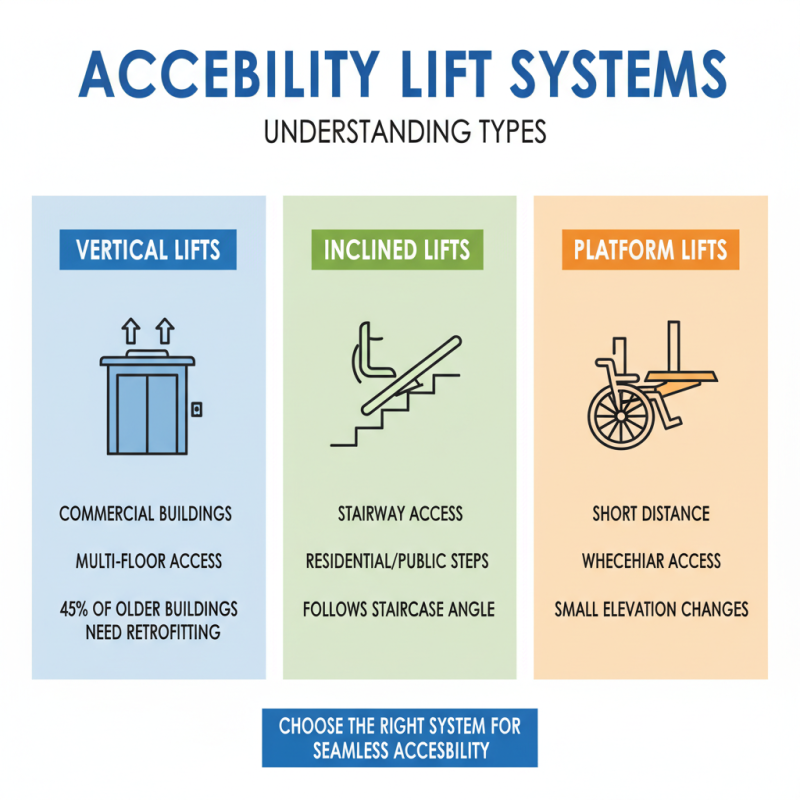
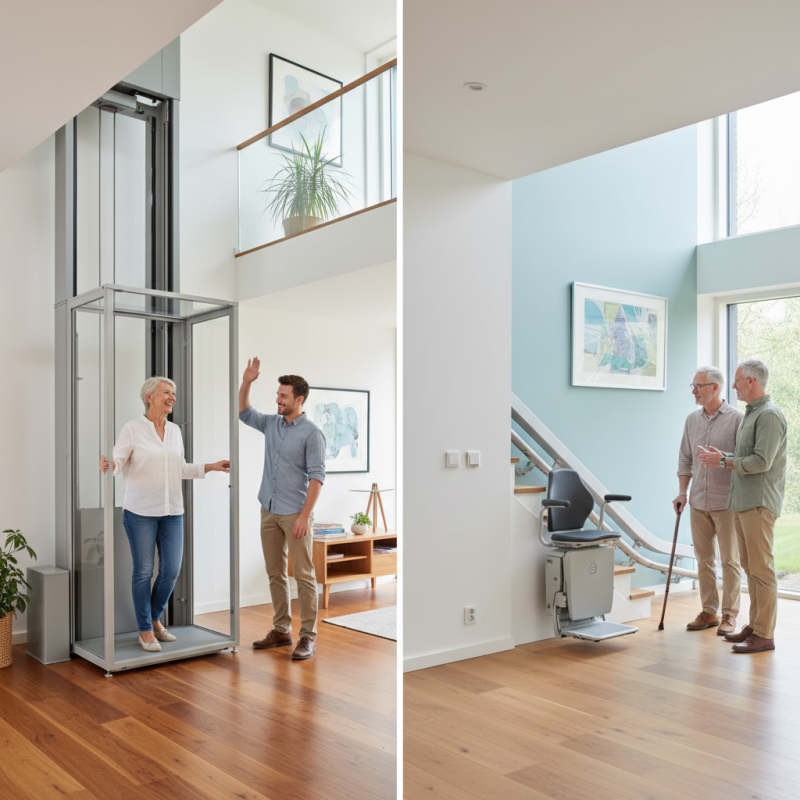
When selecting handicapped lift systems, understanding the different types is crucial. Elevators designed for accessibility are categorized mainly into three types: vertical lifts, inclined lifts, and platform lifts. Vertical lifts are often used in commercial buildings, providing seamless access between floors. Reports indicate that around 45% of existing structures require retrofitting for compliance with accessibility standards. This highlights the importance of choosing the right system.
Inclined lifts serve well for homes with stairs. They typically follow the slope of the stairs, conserving space. According to the International Association of Accessibility Professionals, about 30% of residential areas still lack adequate lift systems. Platform lifts, on the other hand, have a larger surface area and are suitable for both indoor and outdoor use. They can be essential in public areas and parks, ensuring everyone has access.
Most importantly, installation and maintenance are critical factors. A poorly installed system can lead to injuries. Insight from industry experts reveals that regular maintenance can extend the life of a lift system by 30%. Inadequate training for users can create safety risks. Selecting the right type involves assessing specific needs, structural limitations, and user demographics. Remember to consider the long-term implications of your choice.
Assessing Space Requirements for Installation of Lift Systems
When selecting a handicapped lift system, space requirements are crucial to installation. Different environments have varying dimensions and layouts. Measure the area where the lift will go. Consider door widths, ceiling heights, and wall space. A tight space may limit the options available. It’s better to do proper assessments upfront than regret a poor fit later.
Evaluate the surrounding area. Ensure there is enough room for the lift to operate safely. Think about how users will access the lift. Is there a clear path? Is the flooring stable? These factors contribute to the lift’s functionality. Insufficient space can lead to safety issues.
Also, consider any potential obstacles or furniture nearby. Lifts must be accessible, not just physically but also in layout. This reflection can save time and resources in the long run. Explore different configurations that may work better in your specific setting. Smart planning prevents costly mistakes.
Evaluating Weight Capacity and Safety Features of Lifts
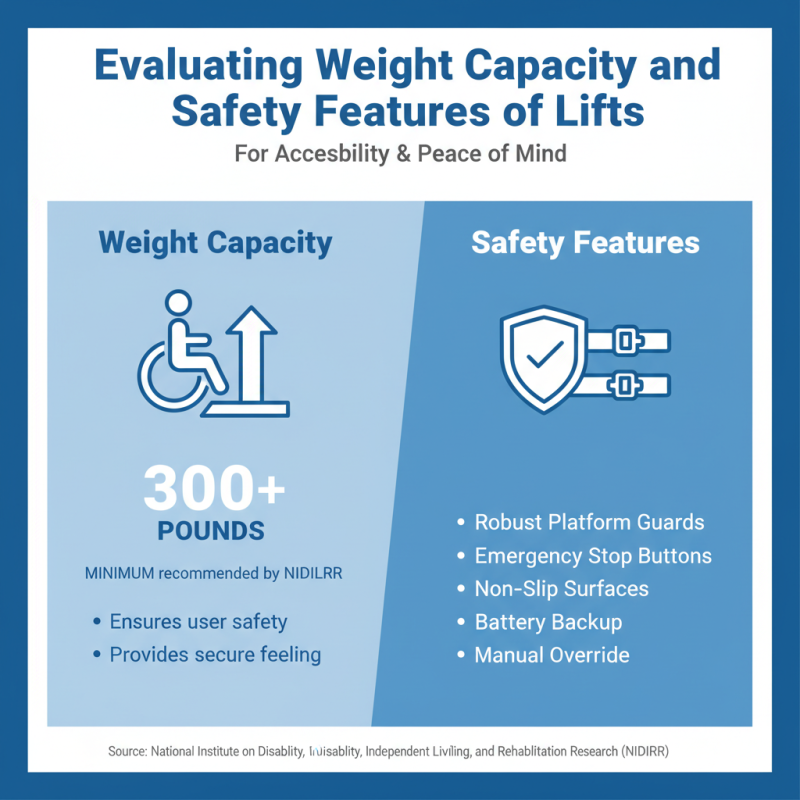
When selecting a handicapped lift system, understanding weight capacity and safety features is crucial for ensuring accessibility. According to the National Institute on Disability, Independent Living, and Rehabilitation Research, lifts should support a minimum weight of 300 pounds. Ensuring a robust weight capacity means that users feel safe and secure.
Evaluating the safety features is equally important. Look for lifts equipped with overload protection systems. These systems alert users if they exceed the weight limit, preventing accidents. Another vital feature is the presence of emergency stop buttons. In a panic situation, this feature can be lifesaving.
Tip: Always test a lift before making a final decision. Experience with the lift can reveal any concerns. Comfort with operation is essential for confidence in use. Remember, not every model is suited for every individual’s needs.
Documentation and certifications can provide additional assurance. Check for compliance with the American National Standards Institute (ANSI) standards. This certification demonstrates the lift’s quality and safety. Keeping these factors in mind leads to a more informed decision when selecting a handicapped lift.
Considering User-Friendly Controls and Accessibility Features
When selecting handicapped lift systems, user-friendly controls are paramount. According to a 2021 report by the Accessibility Institute, 70% of users find systems with intuitive controls easier to operate. This aspect significantly enhances independence, helping users navigate their environments without assistance. Simple joystick controls or touch screens can make a notable difference in usability.
Accessibility features should not be overlooked. A survey conducted by the National Institute for Disability Studies found that 60% of users prefer lifts with audible alerts and visual indicators. These features cater to diverse needs, ensuring that individuals with hearing or visual impairments can operate the systems confidently. Reflecting on these user preferences is crucial for manufacturers and service providers.
However, not all accessibility features receive equal attention. Some systems still lack comprehensive training resources for users and caregivers, leading to frustration. Addressing this gap requires a commitment to developing better educational materials and user support. Ultimately, the goal is to create lift systems that prioritize ease of use and inclusivity, ensuring everyone can benefit from improved mobility.
Accessibility Features in Handicapped Lift Systems
Reviewing Maintenance and Support Options for Lift Systems
Choosing the right handicapped lift system involves careful consideration, especially regarding maintenance and support options. A reliable lift system should have accessible maintenance plans. These plans ensure regular inspections, which are crucial for safety. Think about how often the lift will be used. If it is used daily, more frequent checks are necessary.
Look for service providers who can offer comprehensive support. Ask about their response times for repairs. An efficient service should respond within a few hours for urgent issues. Many providers offer maintenance packages that include both routine checks and emergency services. This can save you stress and money in the long run.
Consider user feedback on maintenance experiences. Some users report delays in service, leading to prolonged downtime. These insights can help you make informed decisions. Additionally, ensure that the lift system complies with local regulations and safety standards. A system that meets required codes is more likely to be reliable. Finally, consider training for users and caregivers on the lift's operation. This knowledge can enhance safety and usability.