Essential Tips for Choosing the Right Patient Lift?
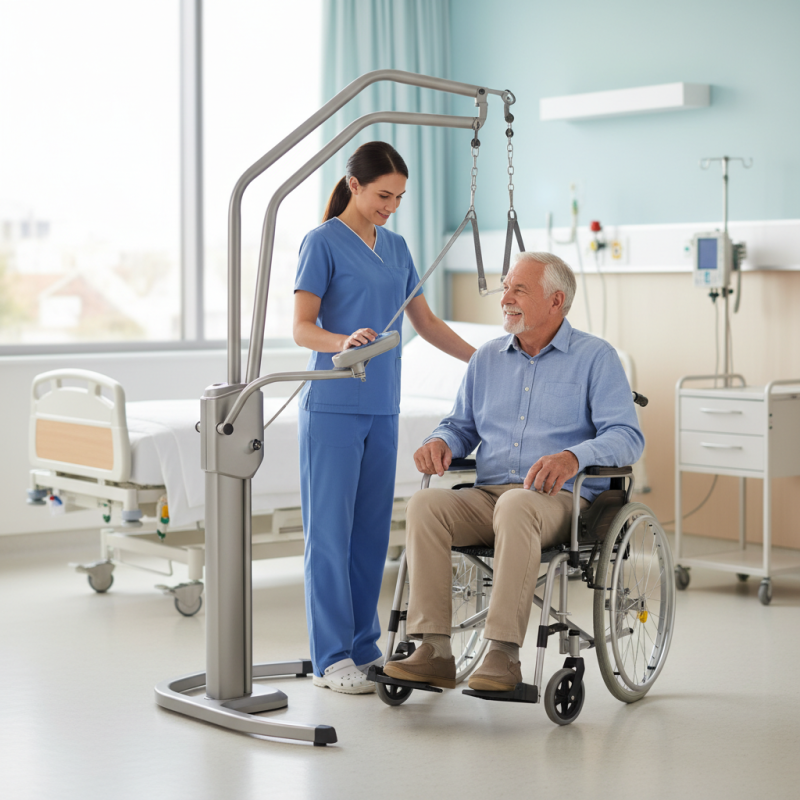
Choosing the right Patient Lift is crucial for both caregivers and patients. The right lift can enhance safety and comfort during transfers. Many factors can influence your decision, and it's essential to weigh each carefully.
Understanding specific patient needs is vital. Patients with limited mobility may require specialized lifts. The choice also depends on the environment where the lift will be used. For instance, a home setting might differ greatly from a hospital.
Sometimes, it’s easy to overlook unique features that matter. Many lifts come with varied weight capacities, styles, and mechanisms. Consider how often the lift will be used. Regular use might need a more durable model. Reflecting on these aspects can significantly impact overall satisfaction and safety when using a Patient Lift.
Understanding Different Types of Patient Lifts: A Comprehensive Overview
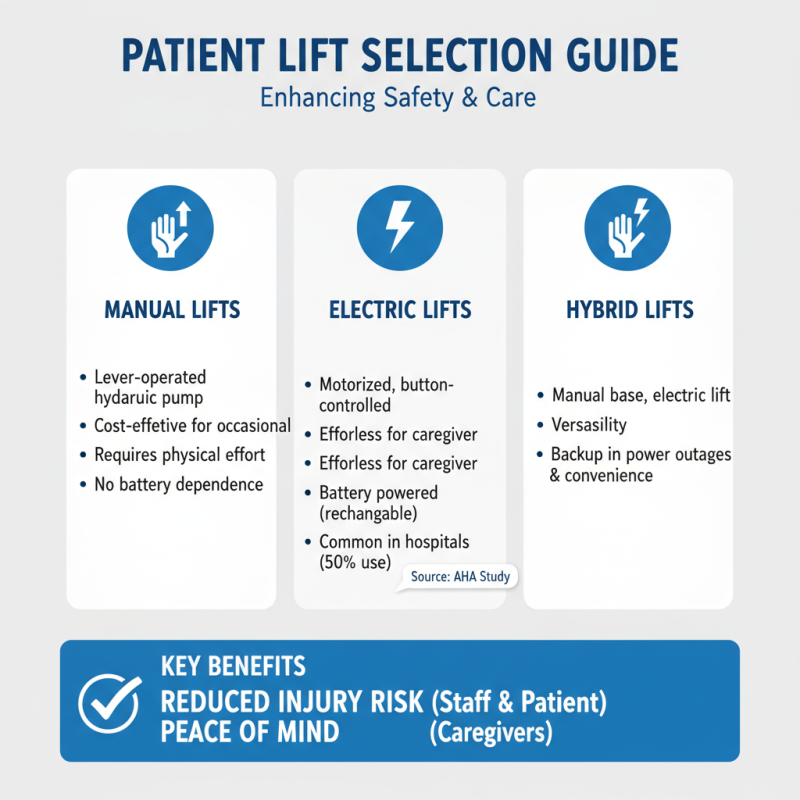
When selecting a patient lift, understanding the various types available is crucial. There are different styles: manual, electric, and hybrid lifts. A study from the American Hospital Association noted that over 50% of hospitals utilize powered patient lifts to enhance safety. These lifts reduce the risk of worker injury and patient harm, offering peace of mind for caregivers.
Consider the weight capacity of each lift. Many models support up to 400 pounds. However, some specialized lifts accommodate heavier patients. You must assess the users' needs. Don’t forget about maneuverability in tight spaces. According to research from the National Institute for Occupational Safety and Health, patient lifts improve efficiency and welfare for healthcare professionals.
Tip: Always involve the user when making a choice. Their comfort is key. Look into features that enhance safety, such as non-slip grips. Also, think about how easy it is to maintain the lift. You want a robust product that withstands daily use without frequent repairs. Evaluate the cost versus long-term benefits. A higher initial investment may save in injuries and hospitalizations down the line.
Key Considerations for Patient Safety and Comfort During Lift Selection
Choosing the right patient lift is crucial for ensuring safety and comfort. According to a report by the National Institute for Occupational Safety and Health, improper lifting techniques account for 36% of musculoskeletal injuries in healthcare settings. This statistic highlights the importance of selecting lifts that meet specific patient needs.
Comfort is equally essential. Patients often experience anxiety during transfers. A lift that feels secure can greatly reduce this fear. Adjustable straps and cushioning can enhance the experience. A study from the Journal of Patient Safety found that 70% of patients reported feeling more comfortable when using a well-designed lift.
When evaluating options, consider the weight capacity. Many lifts can handle up to 500 pounds, but you must assess individual patient needs. Additionally, the ease of use for caregivers matters. Complicated mechanisms can lead to errors, increasing the risk of injury. Reflecting on user feedback can help identify common frustrations. Poorly designed lifts may not align with the workflows of healthcare professionals, creating unnecessary challenges.
Evaluating Weight Capacity: Choosing the Right Lift for Your Needs
When selecting a patient lift, weight capacity is critical. Lives depend on safety and reliability. According to the National Institute for Occupational Safety and Health, over 35% of healthcare workers face injuries due to improper lifting techniques. Choosing a lift that accommodates patient weight is crucial to prevent accidents.
Typical patient lifts come with varying weight capacities. Some lifts can support up to 450 pounds, while others cater to lighter individuals. A study by the American Physical Therapy Association highlights that choosing a lift with appropriate capacity reduces strain on caregivers. However, many users overlook this factor. It's essential to assess not only current weight but also potential fluctuations.
Inadequate weight capacity can lead to equipment malfunction. This compromise may result in severe injuries for both patients and caregivers. Reflecting on personal needs and those of potential users is vital. Dimensions and weight distribution of the patient also play a role in effectiveness. If in doubt, consulting healthcare professionals is often underestimated. Their insight can guide the selection process, ultimately ensuring safety for everyone involved.
Assessing Mobility and Accessibility Features of Patient Lifts
When choosing a patient lift, assessing mobility and accessibility features is crucial. Understanding the specific needs of the user helps in selecting the right equipment. Look for lifts that can easily navigate through narrow hallways and doorways. Wider models may not fit well in smaller spaces. It’s essential to consider the layout of your home or facility.
Think about the user's comfort during transfers. Adjustable slings are important. They can provide better support and adaptability. A lift with a swivel feature eases the transfer process. This can help reduce strain on both caregivers and patients. Ensure the lift has smooth movement capabilities, which enhances safety and efficiency.
Tip: Always test the lift before finalizing the choice. Get a feel for how it operates. Check if it feels sturdy when moving. Additionally, consider the weight capacity. Not all lifts can carry heavier patients. Make a list of what features matter most. This can guide your decision-making. Consider getting feedback from caregivers who will use the lift regularly. Their insights can reveal practical issues that may not be apparent at first.
Essential Tips for Choosing the Right Patient Lift
| Feature |
Description |
Importance |
| Weight Capacity |
Maximum weight the lift can safely handle. |
Ensures safety for both the patient and caregiver. |
| Type of Lift |
Manual, hydraulic, or electric lifts available. |
Determines ease of use and required caregiver strength. |
| Mobility Features |
Wheels, height adjustments, and stabilizing features. |
Facilitates maneuverability and patient comfort. |
| Accessibility |
Design features like handlebars and easy-to-use controls. |
Crucial for both patient and caregiver ease of use. |
| Durability |
Material quality and build strength. |
Ensures longevity and reliability over time. |
Importance of Professional Training for Safe Patient Lift Operation
When considering patient lifts, professional training is crucial for safety. According to the American Nurses Association, over 50% of injuries in healthcare stem from improper lifting techniques. This highlights the need for trained personnel. Without proper training, lifts can pose risks to both patients and caregivers.
Training programs should cover not just operation but also patient assessment. Understanding a patient’s specific needs can make transfers smoother. A report by the National Institute for Occupational Safety and Health found that 75% of caregivers felt more confident after receiving proper training. This confidence translates into fewer accidents and better patient care.
Safety protocols are vital to reduce risks. Some facilities think they can save time by skipping training. However, untrained staff may rush or handle patients incorrectly. This not only jeopardizes patient safety but also increases caregiver injuries. The costs of untrained operation far exceed the investment in training.
Essential Tips for Choosing the Right Patient Lift
This chart illustrates the importance ratings (out of 100) of various factors to consider when choosing the right patient lift. Factors include weight capacity, ease of use, portability, durability, and cost. Ensuring proper selection is crucial for the safety and comfort of patients.