Top 10 Medical Alert Systems for Global Buyers?
Choosing a Medical Alert system for international use requires more than comparing monthly prices. A device may look impressive online yet fail when cellular coverage changes across borders. This guide examines ten leading options for global buyers, focusing on practical performance, transparent features, and dependable support.
The comparison considers wearable pendants, wrist buttons, GPS location, fall detection, two-way voice communication, and water resistance. Battery life also matters. A senior user should not need to recharge a pendant every evening. We examine whether each system works through local cellular networks, supports multiple languages, and contacts family members, professional monitoring centers, or local emergency services. Response procedures should be clearly explained by the provider, not hidden in small print.
Small details matter.
Global buyers should also review shipping limits, subscription terms, replacement policies, data protection practices, and compatibility with local phone networks. A system designed for one country may offer limited value elsewhere. Independent testing and manufacturer documentation can improve confidence, but no device guarantees immediate assistance in every situation. Fall detection may miss certain movements, GPS can weaken indoors, and an emergency call depends on signal availability and the user’s ability to respond.
This ranking aims to be useful, not absolute. Personal health needs, living arrangements, language preferences, and travel habits can change the best choice. Readers should confirm current specifications directly with each provider before purchasing. A careful decision may take longer. That is preferable to discovering a serious limitation during a real emergency.
What Are Medical Alert Systems and Who Needs Them?
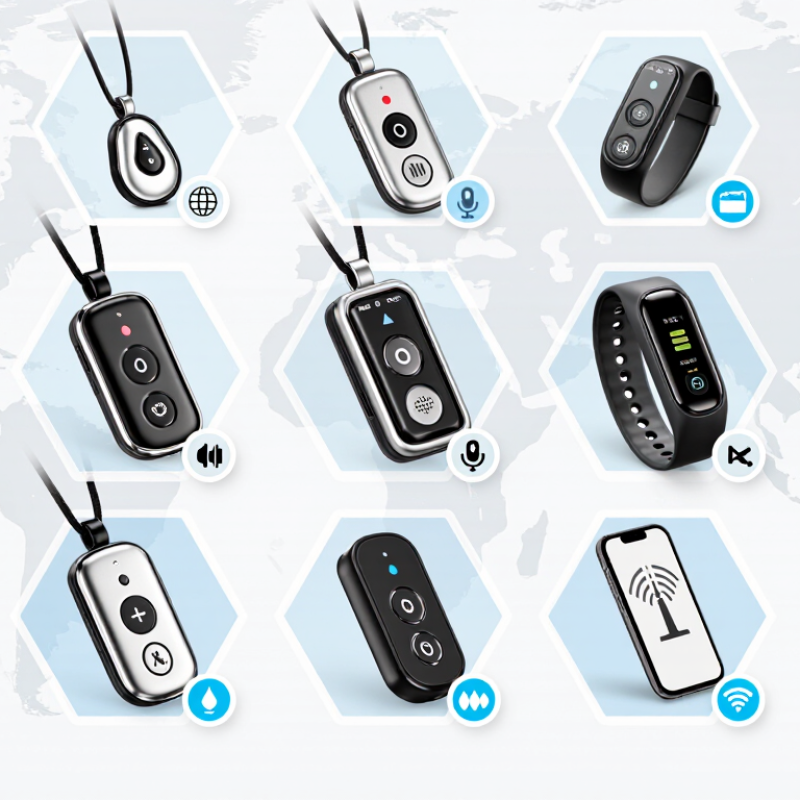
Medical alert systems are personal safety tools for urgent situations. They usually include a wearable button, a base unit, and two-way communication. When pressed, the button connects the user with a trained response operator or a chosen contact. Some systems also use fall detection, GPS location, medication reminders, or activity checks.
The WHO Decade of Healthy Ageing Baseline Report states that about 1 billion people were aged 60 or older in 2019. This number may reach 1.4 billion by 2030. Many older adults want to remain at home, but living alone can increase concern after a fall, fainting episode, or sudden health change. The CDC reports that more than one in four older adults falls each year in the United States. That figure is not global, yet it shows the practical risk clearly.
These systems may help older adults living alone, people with epilepsy, patients recovering after discharge, and anyone with limited mobility. Caregivers may also benefit from faster awareness during an emergency. However, fall detection is not perfect. A device can miss a slow collapse or trigger a false alarm. Battery life, cellular coverage, language support, and response procedures deserve careful checking. A rushed purchase can create false confidence. In practice, the best choice matches the user’s daily habits, health risks, home layout, and willingness to wear the device.
Top 10 Medical Alert Systems for Global Buyers: Who Needs Them?
The global population aged 60 and older is growing rapidly, increasing the relevance of medical alert systems for older adults living alone, people with mobility limitations, and individuals at risk of falls or medical emergencies.
Global population aged 60 and older: approximately 1.0 billion in 2022, projected to reach 1.4 billion by 2030 and 2.1 billion by 2050. Source: World Health Organization, “Ageing and health,” 2022.
Key Features to Compare for Global Buyers
For global buyers, comparing medical alert systems means testing real-world reliability, not counting buttons. The UN World Social Report 2023 projects 1.6 billion people aged 65 or older by 2050. This increases demand for simple, dependable support. Check whether the device uses local cellular bands, Wi-Fi, or both. GSMA’s State of Mobile Internet Connectivity 2024 reports 4.7 billion mobile internet users in 2023, but coverage still varies sharply between regions. A device that works in one city may fail in a rural home.
Look closely at fall detection, two-way audio, GPS accuracy, battery life, and water resistance. Automatic detection can miss slow falls or trigger false alarms. That limitation matters. Ask how the monitoring center handles different languages, time zones, and caregiver contacts. Confirm response procedures before purchase. A test call should reach a trained operator quickly, with clear location details. Charging should be simple for someone with limited dexterity. Small screens and complicated menus create avoidable risks.
Privacy also deserves careful comparison. Review where health and location data are stored, who can access them, and how long records remain available. Check subscription terms, roaming costs, replacement policies, and technical support in the buyer’s country. The World Health Organization’s Global Report on Assistive Technology notes that affordability and maintenance strongly influence continued use. A low price can become expensive after shipping, service fees, and battery replacement. Some comparisons overlook cultural needs, caregiver availability, or weak indoor GPS signals. That is where careful buyers should question the specification sheet.
Top 10 Medical Alert Systems and Their Best Uses
Top 10 Medical Alert Systems and Their Best Uses
A useful medical alert system should match the user’s routine, mobility, and home environment. The best ten options include: 1) in-home landline units for reliable indoor coverage, 2) cellular units for homes without landlines, 3) mobile GPS devices for active older adults, 4) automatic fall-detection pendants for people with balance concerns, and 5) wall-mounted help buttons for bathrooms or bedrooms. These systems should offer clear two-way speech and simple controls.
Other strong choices serve different needs.
6) Caregiver-connected devices help relatives receive alerts remotely. 7) Smartwatch-style alerts suit users who dislike pendants. 8) Medication reminder systems support people managing complex schedules. 9) Voice-activated units help users with limited hand movement. 10) Self-monitored systems may suit independent users with trusted emergency contacts. Each option has limits. A GPS device may lose accuracy indoors. Fall detection can miss slow or unusual falls. Batteries also require regular checking.
Practical selection should include a test call from every room, especially the shower area and basement.
Ask about monitoring procedures, backup power, cancellation terms, and language support. Medical history matters too, so a clinician or occupational therapist may offer useful guidance. A system is not a substitute for supervision or emergency care. One weakness in many rankings is that they compare features, not daily behavior. The most advanced device may remain unused in a drawer. Simple design often wins. Test it honestly, including during a stressful moment.