top of page

Top 10 Ceiling Lift Track System Manufacturers Worldwide

Choosing among the Top 10 Ceiling Lift Track System Manufacturers Worldwide requires more than comparing brand names. Hospitals, care homes, and private residences need equipment that performs safely under daily pressure. A quiet motor, smooth trolley movement, and dependable emergency lowering function can change a caregiver’s entire shift.

This guide evaluates leading manufacturers through practical criteria. These include safe working load, rail configuration, sling compatibility, battery performance, transfer flexibility, installation quality, and after-sales support. We also consider ceiling structures, room layouts, infection-control requirements, and training resources. A straight rail may suit a compact bedroom. An H-track system may serve a larger care area better. Small details matter.

“No safe manual lifting exists.”

Patient-handling researcher Dr. Audrey Nelson has repeatedly emphasized this principle: “There is no safe way to manually lift a patient.” Her warning explains why a Ceiling Lift Track System should support both patient dignity and caregiver protection. It should reduce unnecessary bending, pulling, and awkward transfers, not merely move a person from one point to another.

The market is not perfectly uniform. Manufacturers publish different testing methods, service terms, and load ratings. Some systems appear similar but behave differently during turning, repositioning, or emergency use. Specifications can also change. Therefore, this overview should support careful comparison, not replace a site assessment by qualified professionals. No list is perfect. Real-world performance still depends on installation, maintenance, user training, and the patient’s individual needs.
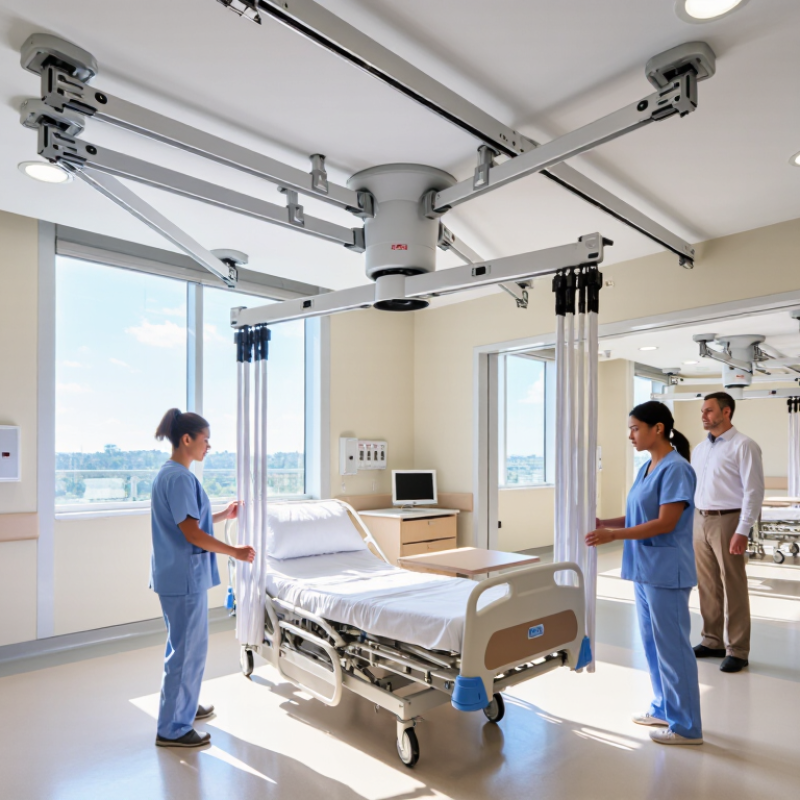
Top 10 Ceiling Lift Track System Manufacturers Worldwide

What Is a Ceiling Lift Track System?

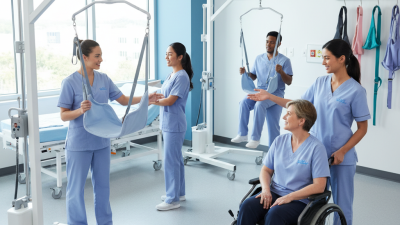
A ceiling lift track system is an overhead transfer device for moving a person safely between locations. It usually combines a ceiling-mounted rail, a motorized lifting unit, and a supportive sling. The lift travels along the track while raising or lowering the user with controlled movement. Straight rails suit bed-to-chair transfers. H-shaped or room-covering tracks provide broader access. Curved designs can follow challenging room layouts. The system may operate through a hand control, rechargeable battery, or emergency lowering function. Small errors matter.

Professional installation begins with a structural survey, not a simple ceiling measurement. Technicians check joists, fixing points, clearance, user weight, and the transfer route. A weak attachment can create serious risk, even when the lifting motor works correctly. The track should support smooth movement without striking walls, furniture, or medical equipment. Caregivers also need practical training for sling placement, body alignment, and emergency procedures. That detail is often missed. Regular inspections should examine straps, spreader bars, wheels, batteries, controls, and fasteners. A ceiling lift can reduce physical strain during transfers, but it cannot replace an individual mobility assessment. No layout is perfect. User comfort, caregiver reach, room access, and future care needs may conflict, so the design sometimes requires careful compromise.

How Ceiling Lift Track Systems Operate

Ceiling lift track systems move a suspended motor along fixed rails. The motor raises or lowers a person in a supportive sling. A handheld control sends commands to the lift unit. Pressing “up” turns a geared drum, shortening the lifting strap. Pressing “down” reverses the motion at a controlled speed. Simple movement. Some systems use straight tracks, while others combine parallel rails with a transfer bridge. This layout can cover a bed, bathroom, and wheelchair area without floor equipment.

During a transfer, the caregiver positions the sling, checks attachment loops, and confirms clearance. The trolley then travels along the rail, either manually or through powered movement. Soft starts reduce swinging. Limit switches stop travel at defined endpoints. Many units include emergency lowering, overload protection, and rechargeable batteries. These features reduce risk, but they do not replace supervision. A poorly fitted sling can still create pressure or discomfort. That detail is easy to miss.

Installation begins with a structural assessment, not a rail catalogue. Ceiling strength, room geometry, user weight, and transfer goals must be verified. Qualified technicians set rail alignment and test the lift under controlled conditions. Care teams should inspect straps, hooks, wheels, and battery status before use. Manufacturer instructions govern inspection intervals and rated capacity. Real-world practice reveals an uncomfortable truth: convenient equipment can encourage rushed transfers. Pause at every connection point. Even a carefully installed track may need adjustment after daily use.

Key Features for Comparing Global Manufacturers

Comparing ceiling lift track system manufacturers requires more than checking maximum capacity. Review the rated load for the complete system, including the motor, track, joints, and suspension points. Ask how the rating was tested and whether it applies to straight tracks, curved sections, or room-covering layouts. Small details matter. A track that clears a doorway but blocks a cabinet can complicate daily care.

Look closely at installation requirements, control options, and emergency procedures. Clear drawings and site measurements help confirm ceiling structure, track height, and transfer routes before work begins. Hand controls should be easy to grip and understand; battery status and emergency lowering instructions should be plainly explained. Ask about inspection intervals, spare-part availability, and technician training in your region. These are practical questions, not paperwork alone.

Compare how manufacturers support different users and care settings. A home bathroom may need a compact track and careful attention to moisture, while a care facility may prioritize frequent transfers and straightforward cleaning. Check sling compatibility, user training materials, warranty terms, and the process for reporting faults. A polished brochure is not proof of dependable service. Even a detailed comparison has limits: the best fit depends on the building and the people using it, and a site assessment can reveal issues a specification sheet misses.

Top 10 Ceiling Lift Track System Manufacturers Worldwide

Top 10 Ceiling Lift Track System Manufacturers Worldwide

The top 10 ceiling lift track system manufacturers worldwide should be assessed through safety, engineering quality, and service reliability. Market reports often group these systems under patient handling equipment, rather than tracking them separately. This limitation matters.

The World Health Organization reports that one in six people worldwide will be aged 60 or older by 2030. Its Decade of Healthy Ageing also highlights safer, more independent care environments. The United Nations projects that the global population aged 60 and above will reach 2.1 billion by 2050. These figures support continued demand for ceiling-mounted transfer solutions in hospitals, rehabilitation centers, and home care.

Look beyond rankings. Check working load limits, rail flexibility, emergency lowering, battery performance, and installation records. ISO 10535 provides a useful reference for hoists used to transfer people with disabilities. Ceiling structure is equally important. A strong motor cannot correct weak anchoring.

Experience exposes small failures. A trolley may run smoothly during testing, then hesitate near a joint. That detail affects staff confidence. I would also review cleaning compatibility, spare-parts access, and technician response times. Grand View Research identifies aging populations and healthcare safety programs as key growth factors in patient handling equipment. Still, published market estimates vary because product categories overlap. A ranking can guide research, but it should not replace site trials, load testing, and feedback from caregivers.

Top 10 Ceiling Lift Track System Manufacturers Worldwide

Manufacturer-neutral comparison of maximum rated lifting capacity

The chart compares representative maximum safe working loads commonly available in commercial ceiling lift systems worldwide. Capacities vary by model, sling configuration, installation method, and applicable safety certification; product documentation should always be consulted before selection.

How to Select the Right Manufacturer for Your Facility

Selecting a ceiling lift track system starts with your facility, not a ranking. The WHO projects that one in six people worldwide will be aged 60 or older by 2030. This demographic shift increases demand for safer transfers in hospitals, nursing homes, and home-care units. Walk through real transfer routes. Measure ceiling height, doorway clearance, bed spacing, and turning areas. A system that looks efficient on paper may fail beside a crowded bedside cabinet.

Check each manufacturer against ISO 10535:2021, which covers requirements and test methods for mobile and stationary hoists. Ask for safe working load records, emergency-lowering procedures, battery-cycle data, maintenance intervals, and installation tolerances. OSHA and NIOSH both identify patient handling as a significant source of musculoskeletal risk for healthcare workers. Therefore, evaluate caregiver posture during transfers, not only motor strength. Request training evidence and service-response times. A neat brochure is not proof. I would still challenge every performance claim.

Tips: Invite nurses, therapists, and maintenance staff to test the track. Compare a full-room track with a straight track. Check sling compatibility. Confirm backup operation during power loss. Review five-year ownership costs, including inspections, batteries, repairs, and staff training. ISO compliance matters, but local building requirements and clinical workflows matter too. Some facilities overlook noise and charging access. That mistake becomes obvious during night shifts.

Top 10 Ceiling Lift Track System Manufacturers Worldwide - How to Select the Right Manufacturer for Your Facility

No. Evaluation Dimension Recommended Technical Benchmark Why It Matters to a Facility Verification Documents Selection Priority
1 Product Safety and Compliance The lifting unit should be designed and tested against applicable medical-device and patient-lifting requirements, including ISO 10535 where relevant. Reduces patient injury risks and supports regulatory, insurance, and procurement requirements. Declaration of conformity, test reports, risk-management file, and applicable certificates. Critical
2 Safe Working Load Range Confirm that the rated safe working load covers the facility’s patient population, sling type, spreader bar, and any accessories used during transfers. Prevents overloading and avoids selecting a system that is unsuitable for bariatric or specialized-care applications. Load-rating label, engineering calculations, user manual, and accessory compatibility chart. Critical
3 Track Configuration Flexibility Assess compatibility with straight, room-covering, H-track, traverse, curved, and multi-room layouts according to the building plan. Improves coverage and reduces manual repositioning of patients and equipment. CAD drawings, structural calculations, installation layouts, and ceiling-interface details. High
4 Ceiling and Building Compatibility The manufacturer should provide engineering guidance for concrete, steel, timber, suspended, and reinforced ceiling structures. Ensures that the rail system can be safely anchored without compromising the building structure. Site-survey report, fixing specifications, structural calculations, and installation method statement. Critical
5 Emergency and Backup Functions Look for emergency lowering, overload protection, manual override, battery-status indication, and a defined failure-response procedure. Allows caregivers to complete or safely stop a transfer during power, control, or equipment faults. Functional test records, emergency-operation instructions, battery specifications, and maintenance procedures. Critical
6 Battery and Charging Performance Compare charging time, expected operating cycles, battery replacement method, charger location, and availability of spare batteries. Reliable battery performance supports continuous operation in hospitals, care homes, and home-care programs. Battery datasheet, charging instructions, cycle-test data, and replacement schedule. High
7 Patient and Caregiver Ergonomics Evaluate handset usability, lifting speed, travel control, spreader-bar handling, transfer clearance, and compatibility with the facility’s sling procedures. Good ergonomics can reduce caregiver strain and improve patient dignity, comfort, and transfer consistency. User trials, accessibility review, training materials, and ergonomic assessment records. High
8 Infection-Control Design Surfaces should be smooth, accessible for cleaning, resistant to the facility’s approved disinfectants, and designed with minimal dirt-trapping gaps. Supports hygiene protocols and reduces cross-contamination risks in shared-care environments. Cleaning instructions, chemical-resistance data, materials list, and infection-control review. High
9 Installation, Training, and Service Select a supplier with qualified installers, documented commissioning, user training, preventive-maintenance procedures, and responsive technical support. Professional installation and training help preserve system safety and reduce avoidable downtime. Installer qualifications, commissioning checklist, training records, service-level terms, and maintenance plan. High
10 Lifecycle Cost and Spare-Parts Support Compare purchase price, installation, inspections, batteries, slings, replacement parts, software or controls, and expected service life. The lowest initial price may not provide the lowest total cost of ownership or best long-term availability. Five- to ten-year cost model, parts list, warranty terms, obsolescence policy, and service-price schedule. High
Recommended purchasing approach: Require each shortlisted manufacturer to provide a site-specific design, documented load calculations, compliance evidence, installation details, user training, preventive-maintenance requirements, and a total-cost-of-ownership quotation before final evaluation.
bottom of page