top of page

Who Are the Top Guar Gum Suppliers Worldwide?

Guar Gum is a versatile ingredient used to thicken, stabilize, and improve texture in foods, beverages, and industrial products. Its performance depends on more than the name on a bag. Particle size, viscosity, hydration rate, and batch consistency can all affect the final result. A powder that disperses smoothly in a test beaker may behave differently on a busy production line. Details count.

So, who are the top Guar Gum suppliers worldwide? There is no single answer that fits every buyer. A supplier suited to a small food manufacturer may not meet the volume, documentation, or delivery needs of a global processor. This overview examines established suppliers and the practical questions buyers should ask: Where is the gum sourced and processed? Can the supplier provide current quality documentation and traceability? How reliably do specifications hold from one shipment to the next? Those details are often more useful than a broad ranking.

Supplier information can change, and public claims do not always reveal the full picture. Buyers should verify product specifications, certifications, and available samples directly before making a decision. That takes time. It can also prevent an expensive mismatch. The companies discussed in this guide are considered through factors such as product range, market presence, quality controls, and supply capability—not a universal promise of being “best.” Needs differ, and a useful comparison should make that clear.
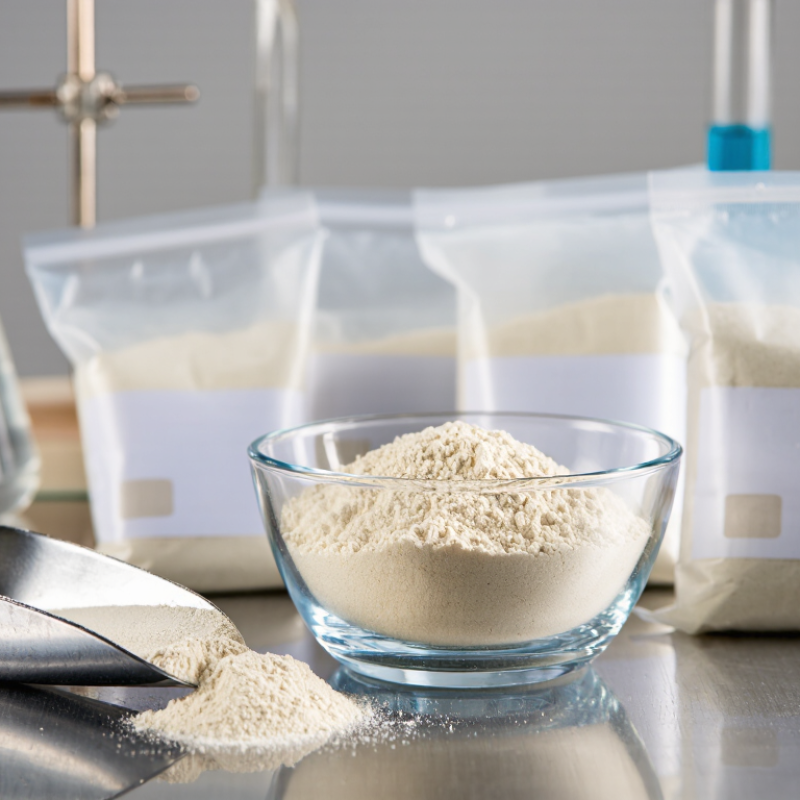
Who Are the Top Guar Gum Suppliers Worldwide?

What Is Guar Gum and Where Is It Used?

Guar gum is a plant-based thickener made from the endosperm of guar beans. The seeds are cleaned, milled, and processed into a fine powder. Add water, and the powder can form a viscous mixture. Its main functional component is galactomannan, a carbohydrate that binds water and helps control texture. Small amounts can make a noticeable difference.

In food, guar gum helps give sauces a smooth body and keeps some frozen desserts from becoming icy. It also appears in baked goods, dairy products, and packaged foods, where it can improve consistency or reduce separation. The effect depends on the recipe, temperature, and mixing method. Too much can make a sauce unpleasantly gummy. That is easy to miss in a small test batch.

Beyond food, manufacturers use guar gum in personal-care products, such as lotions and shampoos, to adjust thickness and help ingredients stay evenly mixed. It also serves as a thickening agent in some industrial applications, including paper and textile processing. Its performance is useful, but not magical: water quality, processing conditions, and product formulation all matter. Even experienced formulators may need several trials to find the right balance.

How Is Guar Gum Produced and Supplied Worldwide?

Guar gum starts as the endosperm inside guar beans, a drought-tolerant legume grown mainly in South Asia. After harvest, beans are cleaned and dried before their outer husks and germs are separated. The pale endosperm splits, or “guar splits,” are then milled into powder. Simple steps, but careful control matters. Heat, moisture, and milling speed can affect how the powder disperses and how thick a mixture becomes.

Processors grade the gum by particle size, viscosity, moisture, and intended use. They may test samples in water, where a small amount can noticeably thicken a clear solution. Buyers also check packaging and batch documents, since humidity during storage can cause clumping. Not every shipment behaves identically; crop conditions and processing choices leave some variation. That is worth remembering.

From producing regions, guar gum moves through local processors, exporters, ports, and distributors to customers worldwide. Sealed moisture-resistant bags and clean storage help preserve product quality during long transport. Importers often request samples and test them against their own specifications before placing larger orders. Supply can tighten when harvests are poor or demand rises, so delivery times may shift. A supplier’s stated grade is useful, but independent testing gives buyers a more dependable picture.

Which Countries Are the Main Guar Gum Producers?

Which Countries Are the Main Guar Gum Producers?

India is the leading producer of guar, supplying most of the crop used in global guar gum markets. Cultivation is concentrated in dry, semi-arid areas, especially Rajasthan, with production also found in Haryana, Gujarat, and Punjab. Guar plants tolerate heat and limited rainfall, but yields still depend on seasonal conditions. A weak monsoon can reduce harvest volumes and tighten supply.

Pakistan is another important producer, with cultivation centered largely in Punjab and Sindh. Its output is smaller than India’s, yet it contributes to regional and international trade. Guar gum processing may also take place outside the main growing regions, so the country of manufacture does not always indicate where the guar seed was grown. That distinction is easy to miss. Production figures can also vary by season and source, so broad rankings are more reliable than precise annual comparisons.

Who Are the Major Guar Gum Suppliers Worldwide?

Major guar gum suppliers worldwide are concentrated near the crop’s growing regions, especially in India and Pakistan. These suppliers often process guar beans into powder for food, paper, textile, and energy-sector uses. Some operate processing plants; others focus on export, distribution, or product formulation. Their scale and capabilities differ.

Not every large exporter is a direct manufacturer. Buyers should check where the beans are sourced, how the gum is processed, and whether each batch has a clear specification sheet. Ask about viscosity, particle size, moisture, and microbiological testing. Quality varies. A sample can look consistent yet behave differently in a mixing tank. That detail is easy to overlook.

Supplier selection also depends on application. Food-grade material needs suitable documentation and careful handling, while industrial users may prioritize hydration performance and reliable bulk delivery. Compare recent test results, traceability records, packaging options, and lead times rather than relying on a catalogue alone. A short technical trial is useful, though it cannot predict every production issue. The supplier’s response to a complaint may matter as much as its quoted price.

Who Are the Major Guar Gum Suppliers Worldwide?

Supply Region Typical Supplier Role Supply-Chain Strengths Common Product Grades Typical End Markets Buyer Considerations
India Guar-seed processors and exporters Large guar-growing and processing base; Rajasthan is a major cultivation area. Suppliers commonly serve both domestic and export markets. Food-grade guar gum, industrial-grade powder, and oilfield-grade products Food processing, oil and gas, paper, textiles, and other industrial uses Confirm viscosity, particle size, hydration behavior, microbiological limits, and shipment specifications for each grade.
Pakistan Growers, processors, and export-oriented suppliers Established guar cultivation and processing activity, with supply linked to agricultural output and export demand. Food and industrial grades, including grades intended for oilfield applications Food, energy services, textiles, and other industrial applications Check origin documents, batch consistency, lead times, and whether the product meets the destination market’s requirements.
United States Importers, distributors, and specialist ingredient suppliers; limited domestic guar cultivation also occurs Access to a large food and energy market, established logistics networks, and local inventory through distributors. Food-grade ingredients and industrial or oilfield grades, depending on the supplier Packaged foods, industrial processing, and oilfield services Distinguish domestically grown material from imported product; request country-of-origin and traceability documentation.
Europe Ingredient importers, distributors, and food-additive suppliers Regional warehousing and distribution can support buyers seeking access to imported guar gum and related technical documentation. Primarily food-grade and selected industrial grades Food and beverage manufacturing, paper, textiles, and personal-care formulations For food use, verify compliance with applicable local rules for guar gum (E 412 in the European Union) and the product’s intended application.
East Asia Importers, distributors, and ingredient traders Regional distribution networks connect overseas processors with food, manufacturing, and energy-sector buyers. Food-grade, industrial-grade, and application-specific grades Food processing, industrial manufacturing, and energy-related applications Confirm local import and labeling requirements, technical specifications, and the availability of local-language documentation.
Middle East Importers and oilfield-chemical distributors Regional distributors may supply imported guar gum and related products to energy-sector customers. Oilfield-grade and selected industrial grades; food grades are available through ingredient channels Oil and gas operations, food processing, and industrial applications Specify the required performance in the intended fluid or formulation; a general-purpose grade may not meet oilfield requirements.

The table summarizes major supply regions and supplier roles rather than ranking individual companies. Product availability, certifications, and specifications vary by supplier and shipment.

How Can Buyers Evaluate Guar Gum Suppliers?

A reliable guar gum supplier should provide more than a low price and a polished product sheet. Ask for a current specification, certificate of analysis, and traceable batch information. Check viscosity, moisture, particle size, and microbiological results against your intended use. Test conditions matter: viscosity can shift with concentration, temperature, and mixing time. Compare samples using the same method. Small differences matter.

Request samples from more than one production lot, then assess how the powder disperses in your own process. Does it form lumps in a small mixing tank? Does the viscosity stay consistent after storage? Ask how the supplier manages raw material variability and handles quality complaints. A spreadsheet helps, but it can still miss a practical problem. Review audit records and testing procedures, not just certificates. A supplier should explain unfamiliar results clearly and provide prompt, specific answers. No checklist catches everything. Buyers should also confirm lead times, packaging protection, and whether shipment documents match the batch received. A few details may seem minor until production is waiting.

Article Source:

bottom of page