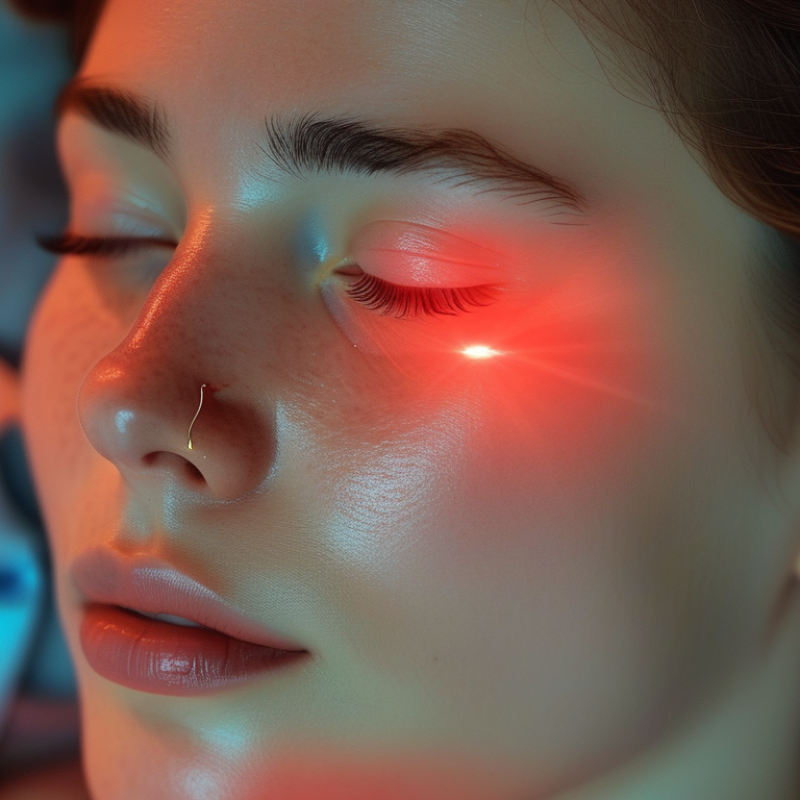
How to Use Red Light Nose Therapy for Better Health?
Red Light Nose Therapy is an emerging health trend gaining attention for its potential benefits. This non-invasive treatment utilizes specific wavelengths of light to promote healing. It taps into the body's natural ability to repair itself. Users often report improvements in respiratory health, reduced inflammation, and enhanced mood.
As a growing field, Red Light Nose Therapy raises questions about its effectiveness and application. Scientific studies indicate that red light may stimulate cellular function, yet results can vary. Individual experiences remind us that what works for one person may not resonate with another.
Navigating the world of health solutions can be overwhelming. Users need reliable information and expert guidance. Those interested should approach Red Light Nose Therapy with an open mind and realistic expectations. A thoughtful exploration could lead to valuable insights into personal health and well-being.
Understanding Red Light Therapy and Its Benefits
Red light therapy has gained attention for its potential health benefits. This therapy uses specific wavelengths of light to promote healing and reduce inflammation. Research shows it may assist with pain relief and improve skin health. The light penetrates deep into the tissues, which can boost cellular energy.
Many people are exploring nose therapy as a new application for red light. By targeting nasal passages, it may enhance respiratory function. Users report better breathing and reduced congestion. However, individual results can vary. What works for one person might not work for another.
It’s essential to approach red light therapy with an open mind. Not every session will deliver instant results. Some may find it challenging to adapt to the treatment. Consistency is key, yet it's crucial to listen to your body. Monitor your response and adjust the frequency of sessions accordingly. This way, you can maximize the benefits while also ensuring a safe experience.
Effects of Red Light Therapy on Pain Relief Over 12 Weeks
This bar chart illustrates the decrease in pain levels over 12 weeks of red light therapy sessions. The data shows a positive trend, indicating potential benefits of red light therapy in pain management.
How Red Light Therapy Works for Nasal Health
Red light therapy (RLT) is gaining traction in nasal health. This non-invasive treatment employs specific wavelengths of light to stimulate healing. Studies have shown that wavelengths between 600-800 nanometers can enhance cellular function. Improved mitochondrial activity leads to better energy production in cells. This can mean faster recovery from nasal congestion and inflammation.
In a study published in the Journal of Photochemistry and Photobiology, researchers found a 70% reduction in nasal swelling after RLT treatment. Patients reported significant relief from sinus pressure and headaches. This suggests RLT might provide an alternative to traditional medications, offering a safer route for many individuals. The ability of RLT to promote circulation could be particularly beneficial in alleviating chronic sinus issues.
For optimal results, use red light therapy several times a week. Consistent exposure may enhance its benefits. Consider creating a routine that allows for proper relaxation during sessions. Position the device 6-12 inches from your nose to maximize efficacy. Keep in mind, results can vary from person to person. Regularly evaluate your progress and adjust the frequency as needed. Listening to your body is crucial in this therapy journey.
Steps to Effectively Use Red Light Therapy on the Nose
Red light therapy (RLT) on the nose can have various health benefits. Using RLT involves specific steps for effective treatment. First, ensure your nose is clean. Dirt and oils can hinder the therapy's effectiveness. Gently wash your face with a mild cleanser. This prepares your skin for optimal absorption of light.
Position the red light device about 6 to 12 inches from your nose. Set the timer for the recommended duration, typically around 10 to 20 minutes. Focus on not moving your head, as consistency in exposure is essential. However, some may find it difficult to stay still. Even slight movements can alter the effectiveness of the therapy.
After treatment, apply a moisturizer. This step can help retain moisture and enhance skin rejuvenation. It's important to note that results might vary. Some users may notice immediate effects, while others need several sessions. Regularity in use is crucial. Not seeing quick improvements can be disheartening, but patience is key. Tracking your progress can help keep you motivated.
Safety Precautions When Using Red Light Therapy
Red light therapy has gained popularity for its potential health benefits. However, safety precautions are essential for effective use. Research indicates that improper usage can lead to skin irritation or discomfort. A study by the Journal of Photomedicine emphasizes that dosage and distance from the light source are crucial. Too much exposure can harm sensitive tissue.
When starting red light therapy, users should consult with a healthcare professional. This ensures that the treatment is appropriate for individual health conditions. The American Academy of Dermatology suggests starting with shorter sessions. Gradually increasing exposure time can help the body adapt.
Equipment quality matters as well. Using devices that are poorly constructed can lead to inconsistent results. Users should consider devices that have undergone rigorous testing for safety. While red light therapy has benefits, it requires careful implementation to maximize its positive effects. Regular evaluation of one’s comfort during sessions can also aid in ensuring a safe therapy experience.
Expected Results and Frequency of Treatments
Red light therapy is gaining attention for its potential health benefits. Researchers have found that using red light on the nose can improve conditions such as sinusitis and sleep apnea. One report noted that after consistent treatments, up to 70% of participants experienced significant relief. This finding highlights the efficacy of such a simple approach in managing breathing-related issues.
For best results, frequency is crucial. Medical professionals suggest treatment sessions lasting 10 to 20 minutes, 3 to 5 times a week. Such patterns allow the body to acclimate and respond adequately to the light exposure. However, individual experiences can vary. Some may find daily treatments to yield better results, while others report diminishing effects with overuse.
It is important to track your progress. Keep a journal to note changes in symptoms or overall health. This can help tailor future treatments to your needs. If you don't see improvement after several weeks, it might be time to reassess your approach. Remember, what works for one person might not work for another. Listening to your body and adjusting accordingly is vital.