What Is an EMT Waterproof Connector?
An EMT waterproof connector joins electrical metallic tubing (EMT) to an enclosure while helping limit water entry at the connection. It is used where conduit runs may face rain, splashing, or damp conditions. The fitting typically includes a sealing component, such as a gasket, that compresses against the enclosure or conduit. Exact designs vary by manufacturer. Small details matter: a gasket that is pinched, missing, or poorly seated can undermine the seal.
The phrase “waterproof” can be misleading. Not every EMT connector is suitable for wet locations, and a sealed fitting does not make an entire conduit system waterproof. Look for the product’s stated environmental rating and follow its installation instructions. Check the connector size, enclosure opening, conduit fit, and required tightening method. A connector that feels snug is not necessarily installed correctly. It is worth pausing here. In practical work, the seal is only one part of the system; enclosure covers, entry points, and the condition of the conduit also matter. Emt Waterproof Connectors are therefore best understood as one component in a properly selected and assembled installation, not a universal fix for moisture. This guide explains how these fittings work, what features to examine, and where their limits deserve attention.
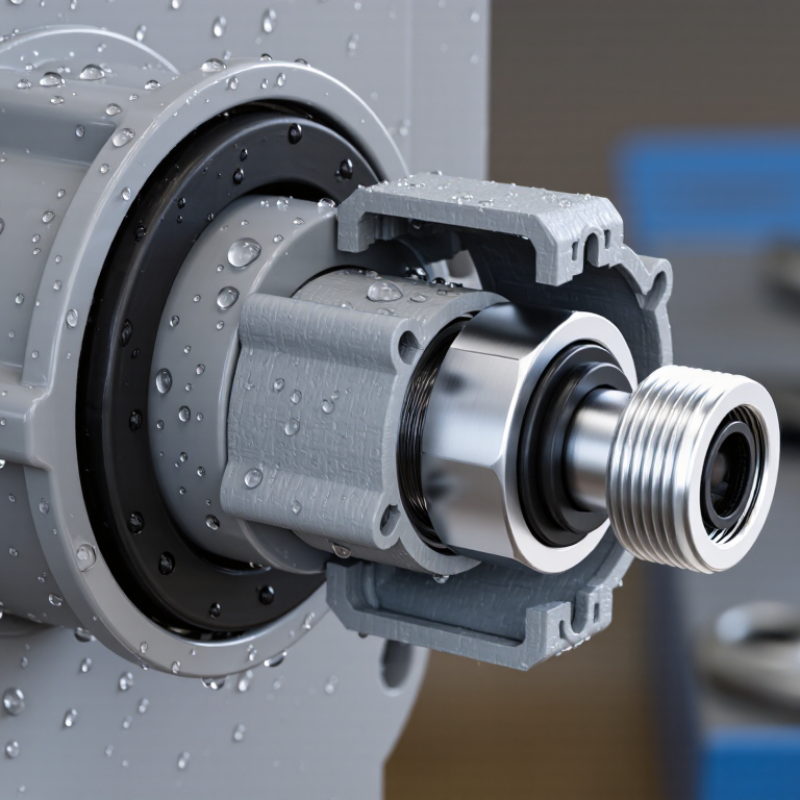
Definition and Purpose of an EMT Waterproof Connector
An EMT waterproof connector joins electrical metallic tubing to a box or enclosure while helping limit water entry at the connection. EMT is thin-wall metal conduit, but the tubing itself does not make an installation waterproof. The connector’s sealing design, rating, and installation all matter. A gasket or sealing ring compresses against the enclosure as the fitting is tightened. Small gaps can still admit moisture.
“Waterproof” is not a universal performance level. IEC 60529 defines IPX7 testing as temporary immersion in water up to one metre deep for 30 minutes. That benchmark applies only to products tested and marked for that rating; it does not automatically certify an EMT connector or a complete conduit run.
Check the fitting’s listing and instructions, then confirm the enclosure and installation method are suitable for the exposure. A connector rated for a wet location may not be suitable for standing water. Easy to overlook.
In practice, the fitting should match the tubing trade size and enclosure opening, with sealing surfaces clean and undamaged. Tighten it as specified, rather than relying on extra force to compensate for a poor fit. Even a well-rated connector cannot prevent water entering through an open conduit end or another weak joint. The rating label matters. So does the whole assembly.
Key Components and Materials
An EMT waterproof connector joins electrical metallic tubing to a box while limiting water and dust entry. Its main parts are the threaded or compression body, locknut, sealing ring, and conduit-entry gasket. The body is commonly zinc alloy or coated steel; stainless steel may suit corrosive locations. Seals often use EPDM or another elastomer chosen for temperature and weather exposure. Small parts matter.
IEC 60529 defines IP ratings: an IP67-rated assembly is dust-tight and passes a specified temporary-immersion test, typically up to one metre for 30 minutes. That rating applies to tested conditions, not every installation. NEMA 250 likewise classifies enclosure protection by environmental use; connector selection should match the enclosure and exposure. A tight-looking gasket is not proof of a watertight seal. Check that the connector is listed for the intended wet location, confirm its conduit size, and tighten it as instructed. Dirt on threads, a pinched seal, or an uneven box surface can undermine protection. Even good hardware has limits. A practical detail is easy to miss: the connection is only as reliable as its weakest interface.
What Is an EMT Waterproof Connector? — Key Components and Materials
An EMT waterproof connector joins electrical metallic tubing to an enclosure while helping limit water entry. Depending on the fitting design, it may use a metal body, a compression component, and an elastomeric sealing gasket such as EPDM. Materials and construction vary, so check the product’s listing and wet-location suitability.
The chart shows the numeric designations of water-protection ratings under the IP code. These numbers identify different test categories; they are not a linear measure of protection. IPX8 immersion conditions are specified for the product, so check its documentation.
How Its Waterproof Sealing Mechanism Works
An EMT waterproof connector joins electrical metallic tubing to a box while limiting water entry at the connection. Ordinary EMT fittings are not automatically watertight. A liquidtight design uses a compression nut, sealing ring, and gasket to close gaps around the tubing and enclosure opening. As the nut tightens, the ring grips the conduit and the gasket compresses against the box. The seal depends on clean, correctly sized parts. That detail matters.
IEC 60529
IEC 60529 defines IPX7 testing as temporary immersion in water up to 1 metre for 30 minutes. This is a useful reference point, not proof that every EMT connector can pass that test; ratings apply to tested products and configurations.
In practice, inspect the gasket for twists, cuts, or grit, then tighten the fitting evenly. A seal may look sound but still leak if the conduit is out of round or the box surface is uneven. I have seen careful installation matter more than extra tightening. Over-tightening can deform parts rather than improve the seal. Check the specified rating and installation instructions for the exact connector and enclosure pairing.
Common Types and Application Environments
An EMT waterproof connector joins electrical metallic tubing to a box or enclosure while limiting water entry at the connection. Common types include rain-tight compression connectors, which use a compression ring and sealing surfaces, and gasketed connectors that seal against an enclosure wall. Some fittings use set screws, but a standard set-screw connector is not automatically suitable for wet locations. Check its markings and installation instructions.
These connectors are used on outdoor equipment, exposed building walls, and damp utility spaces. In washdown areas, choose fittings specifically rated for the expected water exposure; “waterproof” alone can be vague. A connector may seal well while the enclosure or conduit entry remains a leak point. Dirt on threads, a damaged gasket, or uneven tightening can undermine the whole connection.
Small details matter.
Tips: Match the fitting to the EMT size and enclosure opening. Inspect the gasket before installation, and tighten the fitting as directed. Keep dissimilar metals and corrosion exposure in mind, especially outdoors. One practical lesson: a neat-looking joint is not proof of a sealed joint. Verify the complete assembly’s rating for its actual environment.
How to Select and Install an EMT Waterproof Connector
An EMT waterproof connector joins electrical metallic tubing to a box or enclosure where moisture is a concern. The word “waterproof” alone is not enough. Confirm the fitting is rated for the actual exposure, and check that the box entry and enclosure are protected too. A common weak point is easy to miss: one rated part does not make the whole assembly watertight.
Start by matching the connector to the EMT trade size and the enclosure opening. Check its wet-location rating, sealing method, and material compatibility with the site.
For example, IEC 60529 defines IP protection tests; an IPX7 test involves temporary immersion, typically at one meter for 30 minutes. That rating does not automatically prove resistance to water jets.
Fit matters. Cut the tubing square, remove burrs, and keep the sealing surface clean. Seat the gasket evenly, tighten the fitting as its instructions specify, and avoid crushing or twisting the seal.
Then inspect. Look for gaps, damaged threads, and movement at the tubing. Recheck after installation if the conduit was pulled or bumped. I would not rely on a visual check alone where standing water or washdown is expected; verify the complete assembly’s rating and follow applicable electrical requirements.