Why Are Venous Ulcers So Difficult to Heal?
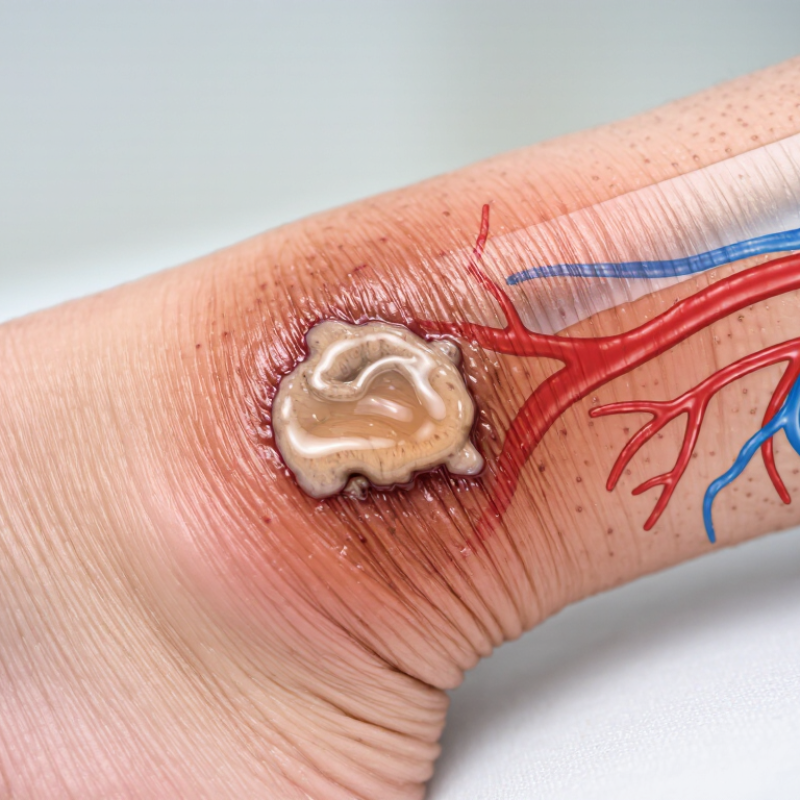
Venous Ulcers can look like small, shallow wounds, yet remain open for months. A patch near the ankle may leak clear fluid, sting beneath a dressing, and leave the surrounding skin brown, tight, or itchy. The visible sore is only part of the problem. Damaged leg-vein valves allow blood to pool, raising pressure in the tissues and making it harder for oxygen and nutrients to reach the skin.
Vascular surgeon Dr. Peter Gloviczki’s clinical approach can be summarized this way: treating the ulcer means addressing the venous disease beneath it, not just covering the wound. That distinction matters. Compression, when medically appropriate, can help reduce swelling and support blood flow back toward the heart. Care teams may also assess circulation, infection, pain, mobility, and other conditions that slow repair. A dressing alone cannot correct every cause.
Healing is rarely a straight line. Swelling may return after a long day on one’s feet. A wound can shrink, then stall. And the plan may need adjustment. These setbacks are not proof that care has failed, but they do deserve attention from a qualified clinician. Venous ulcers are difficult to heal because several forces work against repair at once—and because lasting progress depends on treating both the wound and its cause.
How Venous Insufficiency Disrupts Normal Blood Flow
Blood from the legs must travel upward against gravity. One-way valves inside healthy veins help keep it moving toward the heart. When those valves weaken or vein walls stretch, blood can flow backward and collect around the ankles. Blood pools. Pressure rises inside the veins and tiny vessels nearby, allowing fluid and blood cells to leak into surrounding tissue. By evening, a sock may leave a deep mark, and the skin can feel tight or itchy.
That pressure can cause swelling, inflammation, and brownish skin changes near the lower leg. Even a small scrape may then become a shallow, wet-looking sore, often around the inner ankle. The wound has a harder environment for repair: swollen tissue can limit oxygen delivery, while fragile skin breaks easily. Healing is not simply a matter of keeping the surface clean. Clinicians often assess circulation and the wound before recommending compression, since poor arterial blood flow can make compression unsafe. That distinction matters. Progress may be slow, and the reasons are not always obvious from the wound alone. A sore that grows, becomes more painful, or shows spreading redness deserves prompt medical attention.
Why Are Venous Ulcers So Difficult to Heal? — How Venous Insufficiency Disrupts Normal Blood Flow | Dimension | What Happens in Venous Insufficiency | Why Healing Is Affected | Common Clinical Clues |
| Venous return and pressure | Faulty vein valves, venous obstruction, or both can impair blood return from the legs. Pressure may remain elevated in the leg veins, especially while standing. | Persistently high venous pressure makes it harder for fluid to leave the tissues and maintain healthy circulation around the wound. | Leg heaviness or aching that may worsen with prolonged standing and improve with elevation. |
| Calf-muscle pump | Walking normally helps calf muscles squeeze the deep veins and move blood upward. Limited mobility or reduced pump function can weaken this support. | Blood may pool in the lower leg, sustaining venous pressure and swelling around the wound. | Reduced ankle movement, difficulty walking, or a history of prolonged immobility may contribute. |
| Edema and fluid leakage | Elevated venous pressure can push fluid into surrounding tissues, causing lower-leg swelling. | Swollen tissue can impair the local environment needed for repair and make wound edges harder to keep protected. | Swelling around the ankle or lower leg, often more noticeable later in the day. |
| Chronic inflammation and skin changes | Long-term venous hypertension can trigger inflammatory changes and damage in the skin and underlying tissue. | Fragile, inflamed skin is more vulnerable to breakdown and may be slower to rebuild after an ulcer forms. | Brownish discoloration, eczema-like irritation, thickened skin, or hardened tissue near the lower leg. |
| Wound location and appearance | Venous ulcers commonly occur in the lower-leg “gaiter” region, particularly around the inner ankle. | Ongoing venous pressure and surrounding skin damage can keep the wound open or allow it to recur. | Often a shallow wound with an irregular edge; drainage may be present. Appearance alone cannot confirm the cause. |
| Coexisting conditions | Arterial disease, diabetes, reduced mobility, or other health problems may occur alongside venous disease. | Additional circulation or health issues can further limit tissue repair and affect which treatments are appropriate. | Assessment may include checking leg circulation and reviewing medical history before treatment is selected. |
| Addressing the underlying cause | Wound dressings protect the ulcer, but they do not by themselves correct venous hypertension. | Without a plan to manage venous pressure and swelling, healing may be delayed and recurrence may be more likely. | Clinicians may consider compression therapy after assessing arterial circulation, along with wound care and mobility support. |
Clinical note: Leg ulcers should be assessed by a qualified healthcare professional. Compression is commonly used for venous ulcers, but arterial circulation should be evaluated first because compression may be unsuitable for some people with significant arterial disease.
How Persistent Pressure Damages Skin and Nearby Tissue
When leg-vein valves weaken, blood pools instead of returning efficiently to the heart. Pressure rises in the small vessels near the ankle. Fluid and inflammatory cells then leak into surrounding tissue, causing swelling and fragile, discolored skin. A small knock can open a wound. The damage accumulates.
The skin may feel tight, itchy, or unusually tender before an ulcer appears. Persistent swelling also slows oxygen and nutrient delivery, making repair harder. A 2021 Cochrane review assessed 14 trials involving 1,391 people with venous leg ulcers. It found that compression probably improves healing compared with no compression. Still, pressure is not the whole story: infection, limited mobility, and other health conditions can complicate recovery. Care should be guided by a clinician, who can assess circulation and choose suitable treatment.
Tips: Elevate the leg when resting, and note changes in swelling, drainage, or wound size. Keep dressings clean and follow the care plan; do not start compression without professional advice. Increasing pain, spreading redness, warmth, or fever needs prompt medical attention. One missed detail can matter.
How Inflammation and Reduced Oxygen Slow Wound Repair
Venous ulcers often remain open because the problem is not just the skin. Faulty leg-vein valves let blood pool, raising pressure in small vessels. Fluid leaks into nearby tissue, causing swelling and persistent inflammation. The wound edge may look red and fragile, while the surrounding skin becomes tight and discolored.
Inflammation can help briefly, but chronic inflammation becomes damaging. Enzymes and immune cells may break down the proteins needed to rebuild tissue. Swelling also increases the distance oxygen must travel from blood vessels to the wound. Less oxygen means repair cells have less fuel to make collagen and new tissue. The result is stubborn. Still, this mechanism does not explain every slow-healing ulcer; infection, diabetes, and nutrition can also matter.
Treatment aims to reduce venous pressure and support wound repair. In the EVRA randomized trial, 85.6% of participants receiving early vein treatment plus compression healed within 24 weeks, compared with 76.3% receiving deferred treatment (Gohel et al., New England Journal of Medicine, 2018). That is encouraging, not a guarantee. A separate analysis estimated that chronic wounds affected about 6.5 million people in the United States and cost more than $25 billion annually (Sen et al., Wound Repair and Regeneration, 2009). For an individual ulcer, regular assessment matters: a worsening wound or new pain deserves clinical review.
Why Venous Ulcers Are Difficult to Heal
Persistent inflammation and reduced local oxygen availability can slow the repair process.
Illustrative relative indices, not clinical measurements. Venous hypertension can sustain inflammation and impair microcirculation; lower oxygen availability may limit the energy and materials needed for tissue repair. The trends shown are schematic and vary between wounds.
How Infection and Other Health Conditions Complicate Healing
Venous ulcers often heal slowly because poor circulation keeps pressure high in the lower legs. Infection can add another obstacle, but not every wound with drainage or odor is infected. A wound can look messy without being infected. More concerning signs include increasing pain, spreading redness, warmth, pus, or fever. These changes need prompt medical assessment. Antibiotics are not automatically helpful; clinicians decide whether infection is present and what treatment is appropriate.
Other health conditions can quietly slow repair. Diabetes may reduce sensation and impair the body’s response to injury, so a small wound can worsen before it is noticed. Arterial disease may limit the blood flow needed for healing, while heart or kidney problems can contribute to leg swelling. Even a tight shoe rubbing the ankle can keep the skin open. Care may involve checking circulation, controlling swelling, cleaning and dressing the wound, and managing related conditions. Compression can help some venous ulcers, but circulation should be assessed first. Food matters, too: inadequate protein or calories may leave the body short of building materials. Healing is rarely a straight line; a wound that looks better one week may stall the next, and that deserves a fresh clinical review.
Why Recurrence Remains Common After an Ulcer Heals
A healed venous ulcer does not mean the underlying vein problem has gone away. Damaged valves can keep blood pooling in the lower leg, raising pressure around the ankle. Skin may remain thin, dry, and easily injured. One small knock can reopen the wound. It happens.
Recurrence is common: clinical reviews report rates ranging from 26% to 69%, while the European Society for Vascular Surgery’s 2022 guidelines note that recurrence may reach 70%. Long-term compression can lower risk, but it only helps when worn consistently and fitted appropriately. That is where real life intrudes. Stockings can feel hot, difficult to pull on, or uncomfortable over fragile skin. A Cochrane review on compression to prevent recurrence also identified adherence as an important challenge. Missed days can add up, and swelling may return before a person notices a skin break.
Tips: Ask a clinician to check the fit of compression garments, especially if leg shape or swelling changes. Moisturize intact skin, inspect the ankle and calf daily, and report new redness, weeping, or a small crack promptly. Short walks and ankle movements may help circulation when suitable for your health. Don’t wait for a wound to deepen.