Why Choose a Ceiling Lift for Safe Patient Transfers?
In recent years, the importance of safe patient transfers has gained significant attention in healthcare settings. A report by the World Health Organization emphasizes that unsafe moving practices can lead to injuries for both patients and caregivers. According to the National Institute for Occupational Safety and Health, nearly 35% of work-related injuries in healthcare arise from lifting and transferring patients. In this context, a "Ceiling Lift" stands out as a viable solution.
Dr. Michael Hargrave, an expert in ergonomic safety, states, “Using a Ceiling Lift reduces the physical strain on workers while enhancing patient safety.” This technology minimizes the risk of accidents during transfers, providing both ease and peace of mind. The benefits of using a Ceiling Lift extend beyond safety; they also promote dignity and comfort for patients during transfers.
Despite these advantages, some facilities hesitate to invest in Ceiling Lifts due to cost concerns. Training staff to effectively use this equipment can be challenging. However, the long-term gains in safety and efficiency make it a worthy consideration. Choosing a Ceiling Lift addresses pressing issues of care quality and workplace safety in modern healthcare environments.
Benefits of Using a Ceiling Lift for Patient Transfers
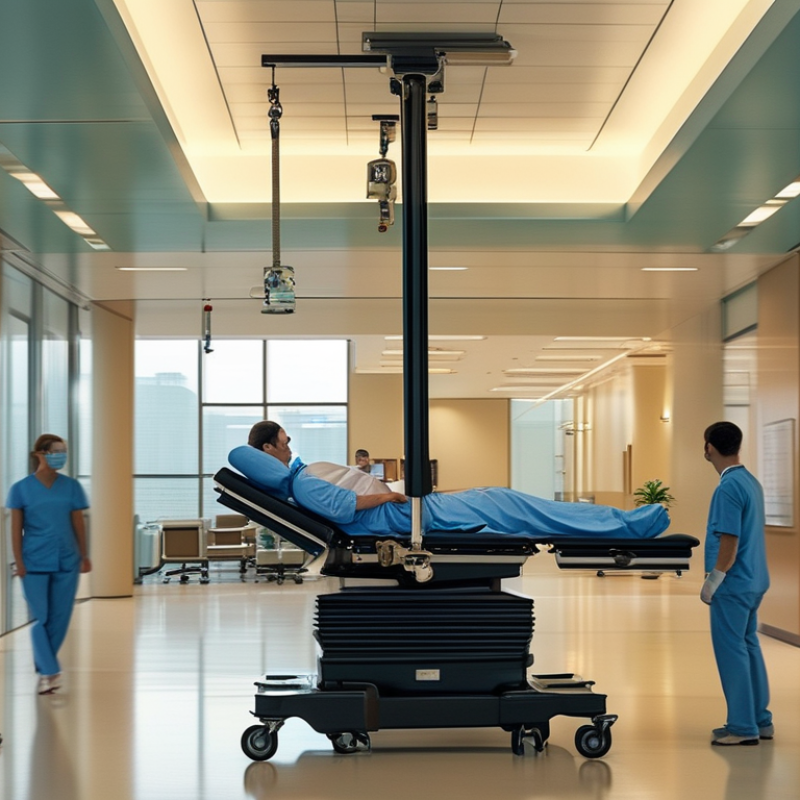
Ceiling lifts provide a safe solution for patient transfers, ensuring both comfort and security during the process. These systems minimize the risk of injury for both patients and caregivers. With a ceiling lift, patients are smoothly transitioned from one location to another, reducing strain on the body. Many caregivers experience back pain from repetitive lifting. A ceiling lift significantly decreases the physical burden involved in these tasks.
Using a ceiling lift can improve patient dignity. Many individuals feel vulnerable during traditional transfers. A ceiling lift allows for a more discreet movement, maintaining the patient’s privacy. This method can also make it easier for those with mobility issues. They don't have to struggle to find stability, which can be helpful for recovery.
Consider the following when using a ceiling lift. Proper training is crucial. Even with the best equipment, knowledge makes a difference. Regular maintenance on the lift ensures safety. Be aware that room layout can impact effectiveness. Always assess patient needs and adjust accordingly. Reflecting on these factors can enhance safety and efficiency in patient care.
Why Choose a Ceiling Lift for Safe Patient Transfers? - Benefits of Using a Ceiling Lift for Patient Transfers
| Benefit |
Description |
Impact on Patient Care |
Impact on Healthcare Workers |
| Improved Safety |
Reduces the risk of falls and injuries during patient transfers. |
Enhanced patient confidence and reduced anxiety during transfers. |
Minimizes physical strain and injury risk for staff. |
| Increased Efficiency |
Streamlines the transfer process, saving time for healthcare providers. |
Faster transitions lead to more time for patient care activities. |
Less time spent on manual lifting and repositioning tasks. |
| Enhanced Comfort |
Provides a smooth and comfortable experience during transfers. |
Promotes dignity and respect for patients during mobility tasks. |
Allows workers to focus on caring rather than lifting. |
| Versatility |
Can be used in various settings, including homes and hospitals. |
Supports various types of patient needs and mobility levels. |
Adaptable for different team sizes and patient support needs. |
| Cost-Effectiveness |
Reduces long-term costs associated with injury claims and equipment. |
Improved outcomes can lead to decreased hospital stays. |
Lower potential costs related to worker compensation injuries. |
Safety Considerations in Patient Mobility with Ceiling Lifts
When it comes to patient transfers, safety is paramount. A ceiling lift significantly reduces the risk of injury to both patients and caregivers. These systems allow for smooth and controlled movement, which can help prevent falls. Improper lifting techniques often lead to accidents, sometimes resulting in serious injuries. Using a ceiling lift minimizes human error, creating a safer environment.
However, it’s important to keep in mind that not all ceiling lifts are the same. Regular maintenance is crucial for ensuring reliable operation. Caregivers should receive training on proper usage. This training covers safety features and emergency protocols. Neglecting these areas can lead to misuse, which may compromise safety. Consider compliance with safety standards when choosing equipment. This adds another layer of security.
Additionally, while ceiling lifts improve patient mobility, they are not a cure-all. Each patient’s unique needs must be assessed. Some patients might feel anxious using a lift. Understanding these concerns is essential for effective care. Engaging patients in their own transfer processes can enhance their comfort. Overall, while ceiling lifts offer significant safety benefits, careful implementation is essential for the best outcomes.
Benefits of Using Ceiling Lifts for Patient Transfers
This chart illustrates the benefits of using ceiling lifts for patient transfers, highlighting the significant advantages such as reduced risk of injury and improved patient outcomes. Each benefit is represented by its corresponding percentage, underscoring the importance of ceiling lifts in enhancing patient mobility and safety.
Comparative Analysis: Ceiling Lifts vs. Traditional Transfer Methods
Ceiling lifts are gaining traction in healthcare settings. They provide an effective solution for patient transfers. Unlike traditional methods, ceiling lifts minimize manual handling. This reduces injury risk for caregivers and enhances patient comfort. Caregivers often struggle with heavy lifting during transfers. Standard techniques can lead to back strain and fatigue. In contrast, ceiling lifts utilize mechanical assistance. This promotes a safer environment for both patients and staff.
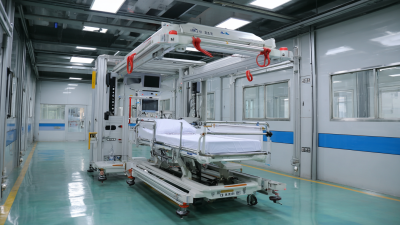
Traditional transfer methods, like manual hoists, may require multiple staff members. This coordination can be challenging, especially in emergency situations. Ceiling lifts, however, allow for seamless transfers with minimal assistance. They are installed overhead and can move patients effortlessly. This efficiency can improve workflow in busy healthcare facilities. The adaptability of ceiling lifts suits various room layouts, maintaining accessibility.
Despite their advantages, some may question the upfront costs of ceiling lifts. Installation and maintenance can feel daunting for small practices. However, the potential for injury reduction is significant. Long-term savings on worker’s compensation can outweigh initial expenses. It’s also vital to train staff properly on these systems. Understanding their use can lead to more confident care delivery.
Key Features to Look for in a Quality Ceiling Lift System
When considering a ceiling lift for patient transfers, key features can significantly enhance safety and comfort. Look for sturdy construction, as this ensures dependability during use. A high weight capacity is essential, as it accommodates various patients' needs without risking safety.
Adjustable height settings provide flexibility, making it easier for caregivers to manage different room configurations.
User-friendly controls are vital. Simple, intuitive controls minimize the risk of user error. This helps ensure that staff can operate the lift confidently. Additionally, smooth operation is crucial; lifts should glide easily along the track. This feature reduces stress for both caregivers and patients during transfers.
Consider the lift's safety features. Emergency stop buttons and backup battery systems are essential for peace of mind. However, no system is without potential issues. Regular maintenance is often neglected, which can lead to safety hazards. Caregivers should understand these challenges to make informed decisions, ensuring that every transfer remains safe and dignified.
Training and Best Practices for Ceiling Lift Operations
Ceiling lifts have transformed the landscape of patient transfers in healthcare settings. Safe handling is paramount. According to the Occupational Safety and Health Administration (OSHA), 35% of workplace injuries in healthcare occur due to manual lifting. This data underscores the need for proper training in ceiling lift operations. Healthcare staff must understand equipment features, weight limits, and operational protocols to enhance safety.
Training should include hands-on demonstrations and simulations. Staff must learn to assess patient mobility needs before transfers. This assessment can prevent hasty decisions that lead to injuries. Research from the American Nurses Association indicates that inadequate training can lead to mishandling incidents, further emphasizing the importance of skilled operation. Regular refresher courses can help maintain a high standard of care.
Implementation of best practices is also critical. For instance, ensuring the ceiling lift is tested before each use is a straightforward yet often overlooked step. Moreover, staff should communicate clearly during transfers to coordinate movements, creating a more secure environment for patients. Continuous improvement and reflection on practices can enhance safety for both patients and caregivers.