7 Medical Hoist Buying Tips for Global Buyers
Buying a Medical Hoist is not simply a matter of comparing lifting capacity and prices. Global buyers must examine patient safety, caregiver comfort, installation conditions, service support, and long-term reliability. A hoist may look strong in a product photograph, yet its real performance depends on sling compatibility, battery endurance, control design, and maintenance access.
Small details matter.
For example, a noisy actuator can disturb a patient during a bedside transfer. A difficult-to-read battery indicator may delay care in a busy ward. Buyers should request clear load ratings, test documentation, user instructions, warranty terms, and evidence of quality management. They should also confirm whether the equipment suits local power conditions, room layouts, door widths, and clinical workflows. Experienced suppliers can explain these points with practical examples, not vague promises.
This guide presents seven Medical Hoist buying tips for international purchasers. It focuses on questions that reduce avoidable risks before an order is placed. Product certification is important, but it should not replace hands-on evaluation or supplier verification. A respected manufacturer should provide traceable specifications and responsive technical support. Still, no checklist removes every uncertainty. Site conditions change, users make mistakes, and maintenance is sometimes overlooked. That reality deserves honest consideration.
A careful purchasing decision balances safety, usability, total cost, and dependable after-sales service. It also leaves room for review after installation. The best choice is rarely the cheapest model. It is the model that performs consistently when patients, caregivers, and facilities depend on it.
Understanding Medical Hoist Types and Their Intended Uses
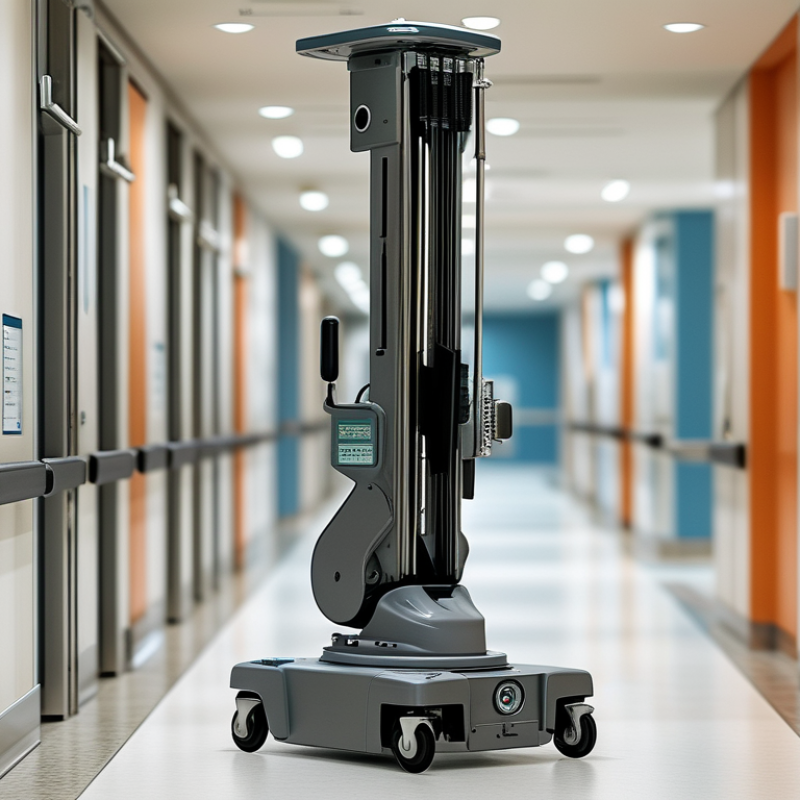
Choosing a medical hoist starts with its intended use, not its appearance. A mobile floor hoist suits rooms without ceiling tracks and supports transfers between beds, chairs, and wheelchairs. It needs clear floor space, especially near narrow bathroom doors. A ceiling-track hoist works well in repeated transfers and smaller rooms. It can move a patient along a fixed route with less pushing.
A sit-to-stand hoist is designed for users with partial weight-bearing ability. It helps with short transfers while encouraging controlled participation.
A full-body sling hoist offers greater support for users with limited movement or poor trunk control. Bathing hoists require water-resistant components and compatible hygiene slings.
These categories are not interchangeable. The wrong type can create unsafe angles, discomfort, or unnecessary strain for caregivers.
Before buying, check the safe working load, lift range, turning radius, charging method, and emergency lowering system. Measure the bed height and doorway width. Ask whether replacement slings are locally available and easy to inspect.
A hoist may have impressive specifications, yet still fail in a crowded care room. That detail is often missed. Test the device with trained staff, not only with an empty sling. User weight, posture, flooring, and caregiver technique can change performance. A written assessment should be updated after installation, because real rooms rarely match the original plan.
Assessing Patient Safety, Comfort, and Weight Capacity
7 Medical Hoist Buying Tips for Global Buyers
Assessing Patient Safety, Comfort, and Weight Capacity
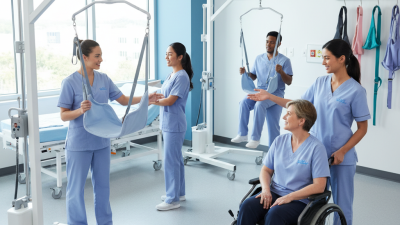
A medical hoist must support more than a patient’s listed body weight. Check its safe working load, including the sling and attachments. Leave a practical safety margin. During transfers, movement can create extra force. Ask for tested load data, inspection records, and clear emergency-lowering instructions. The control handset should remain reachable from the bed and chair. Caregivers need training, not only a manual.
Comfort deserves equal attention. Choose a sling that supports the thighs, back, and head when needed. Its fabric should reduce pressure, sweating, and skin friction. Test the patient’s posture in several positions. A hoist can be technically safe but still painful. That detail is often missed. Check lift height, leg clearance, turning space, and transfer speed. Noise may also distress people with dementia or sensory sensitivity.
Review battery performance, charging time, manual backup, and caster stability. Ask whether the frame suits narrow rooms and uneven flooring. Confirm compatibility between the hoist, sling, spreader bar, and accessories. Clinical engineers and occupational therapists can help assess real use, not just catalog figures. A perfect checklist does not exist. I still see buyers choosing maximum capacity while ignoring fit and caregiver skill. That choice can create avoidable risk. Require transparent testing evidence and a documented maintenance plan before purchase.
Checking Compliance, Quality Standards, and Product Certifications
Tip 1: Define the destination market before comparing medical hoists. Requirements differ across countries, and one certificate may not satisfy every regulator. Ask for the applicable standards, declaration of conformity, and approval pathway.
Tip 2: Check the manufacturer’s quality system. ISO 13485 certification can indicate controlled medical-device processes, but verify its scope and validity. Tip 3: Request recent test reports for lifting capacity, emergency lowering, brakes, batteries, and electrical safety. Reports should identify the exact model, test method, and laboratory.
Tip 4: Match every certificate to the delivered configuration. A frame, sling, handset, or charger change can affect compliance. Tip 5: Review risk-management evidence, including foreseeable misuse and patient transfer hazards. A certificate alone can create false confidence. Tip 6: Inspect traceability details, such as serial numbers, inspection records, and maintenance instructions. Tip 7: Ask who handles field service and incident reporting after delivery. Keep written answers. Vague promises are difficult to audit. One practical warning: paperwork may look complete while critical test records remain outdated. Recheck expiration dates, local language requirements, and post-market responsibilities before purchase.
Evaluating Suppliers, Pricing, Warranty Coverage, and After-Sales Support
Global medical hoist buyers should assess more than the quoted unit price. The WHO and UNICEF Global Report on Assistive Technology (2022) estimates that 2.5 billion people need assistive products worldwide. Demand is rising, but supplier quality remains uneven. Tip 1: Request ISO 10535 test evidence, rated-load results, and inspection records. Tip 2: Compare landed cost, including freight, installation, training, spare batteries, and customs charges. The cheapest quotation may become expensive after one missing component.
Tip 3: Examine warranty coverage line by line. Confirm duration, battery exclusions, labor coverage, and international claim procedures. A two-year frame warranty may still leave costly electronics uncovered. Tip 4: Ask for a written service response time. For hospitals, 24-hour acknowledgment is more useful than vague “global support.” Tip 5: Verify spare-parts availability for at least five years, especially for actuators, slings, chargers, and handset controls. WHO’s 2022 report also highlights affordability and maintenance as continuing barriers to assistive-technology access.
Tip 6: Request two comparable customer references, preferably facilities with similar patient weights and cleaning routines. Speak with maintenance staff, not only purchasing managers. Their experience exposes delays. Tip 7: Test a sample hoist with real workflows, including transfers, emergency lowering, charging, and sling adjustment. Do not trust brochures alone. This is where buyers often misjudge noise, turning radius, or battery endurance. A careful evaluation is slower, and sometimes imperfect, but it reduces unsafe assumptions and avoidable service costs.