top of page

7 Tips for Choosing the Best Mobile Patient Lift

Choosing the right Mobile Patient Lift is more than comparing prices and advertised weight limits. It directly affects patient dignity, caregiver safety, and everyday transfer routines. A reliable lift should support controlled movement from a bed to a wheelchair, bathroom chair, or therapy surface. Small details matter. Very much.

This guide examines seven practical considerations before purchase. They include safe working load, sling compatibility, lifting range, base width, turning radius, battery performance, and emergency lowering features. For example, a lift may fit beside a bed but struggle in a narrow bathroom doorway. A powerful motor may also be less useful if the controls confuse new caregivers. Measure the room, doorways, furniture clearance, and storage area before trusting a product description. Ask a qualified healthcare professional or occupational therapist to review the patient’s mobility, body shape, posture, and transfer needs.

Manufacturer instructions and inspection records deserve equal attention. Check charging indicators, caster movement, sling stitching, brakes, and emergency controls regularly. Do not assume a higher price guarantees better care. It does not. A simple checklist can still miss fatigue, anxiety, or the caregiver’s limited strength. That limitation deserves honest reflection. The best Mobile Patient Lift is not merely strong; it is predictable, comfortable, maintainable, and suitable for the actual environment. Evidence from clinical guidance, trained assessment, and user experience should shape the final decision. When these details align, transfers can become calmer, safer, and less physically demanding for everyone involved.
7 Tips for Choosing the Best Mobile Patient Lift

Understanding Mobile Patient Lift Types and Use Cases

7 Tips for Choosing the Best Mobile Patient Lift

Understanding Mobile Patient Lift Types and Use Cases

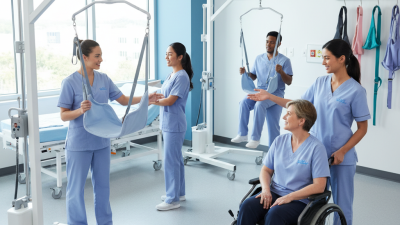
A mobile patient lift should match the person, room, and transfer routine. Full-body sling lifts support users with limited strength or balance. They work well for bed-to-chair, toileting, and repositioning transfers. Sit-to-stand lifts serve users who can bear some weight and follow simple instructions. They are useful near beds, toilets, and recliners. Powered lifts reduce physical strain, while manual hydraulic models may suit settings without reliable charging access.

Begin by checking the user’s weight, posture control, and medical needs. Confirm the lift’s safe working load, sling size, and attachment style. Measure doorways, bed clearance, and turning space before purchase. A wide base improves stability, but it may not fit around every chair. That detail is easy to miss. Examine wheel movement on carpet, thresholds, and uneven flooring. Check battery life, charging time, and emergency-lowering functions.

Caregiver training matters as much as equipment selection. Staff should practice sling placement, brake use, and controlled movement. Never choose a lift from a product image alone. A short trial with the actual user can reveal pressure points, awkward angles, or poor maneuverability. Review the manufacturer’s instructions and ask a qualified clinician when the transfer needs are complex. Conditions change, too. A lift that works today may become unsuitable after surgery, weakness, or weight changes. Document these changes and reassess the equipment regularly.

7 Tips for Choosing the Best Mobile Patient Lift

Understanding mobile patient lift types and use cases starts with checking patient mobility, weight capacity, transfer environment, sling compatibility, caregiver requirements, battery performance, and cleaning needs.

The chart compares commonly available safe working load configurations: sit-to-stand lifts are generally used for partially weight-bearing patients, standard full-body lifts support patients who need more complete assistance, low-profile lifts are useful where bed clearance is limited, and bariatric lifts are designed for higher-capacity transfers. Always confirm the exact rated capacity and clinical suitability before use.

Assessing Patient Safety, Comfort, and Weight Capacity

7 Tips for Choosing the Best Mobile Patient Lift

Assessing Patient Safety, Comfort, and Weight Capacity

A mobile patient lift should match the person, not only the room. Begin with the user’s weight, height, posture, and transfer ability. Never rely on an approximate weight. Add a safety margin above the measured body weight, especially when clothing or equipment adds extra load. Check the lift’s rated capacity, sling size, attachment points, and spreader-bar design together. These parts must work as one system.

Stability matters during turning, raising, and lowering. Look for a wide, smooth base, secure locking casters, and controls that respond without delay. Test the emergency lowering function with a trained professional. Inspect the sling for worn stitching, stretched fabric, or damaged loops before every transfer. The patient should feel supported around the torso and thighs, without pressure near the neck or sensitive skin. Ask about pain, fear, and dizziness. Comfort is clinical information.

Keep the transfer route clear. Measure doorways, bed height, and bathroom access before choosing the lift. A quieter motor may reduce anxiety, but ease of positioning matters more than sound alone. Battery indicators and manual controls should remain easy to understand. A checklist helps, yet it cannot replace hands-on training. I have seen careful users miss a locked caster when rushing. That small error matters. Reassess the equipment after changes in weight, mobility, skin condition, or caregiver strength. The safest choice may not be the most compact one.

7 Tips for Choosing the Best Mobile Patient Lift - Assessing Patient Safety, Comfort, and Weight Capacity

Tip Evaluation Dimension Recommended Specification or Benchmark Why It Matters for the Patient What to Verify Before Purchase
1 Confirm the Safe Working Load Choose a lift with a rated capacity above the patient's current weight. A practical selection margin is approximately 10–20%, subject to facility policy and the manufacturer's instructions. A suitable capacity reduces the risk of overloading, instability, equipment damage, and interrupted transfers. Check the maximum user weight, sling capacity, accessory limits, and whether the stated capacity applies to the complete lift system.
2 Assess Patient Stability and Positioning For patients with limited trunk control, select a full-body sling with head and neck support. For patients with better sitting balance, a toileting or standing aid may be appropriate only after a professional assessment. Correct support helps maintain alignment and reduces sliding, discomfort, anxiety, and the risk of falling from the sling. Review the patient's weight-bearing ability, muscle control, hip and shoulder condition, skin integrity, and transfer plan with a qualified clinician.
3 Prioritize Sling Fit and Comfort Look for multiple sling sizes, clear size markings, padded leg supports where suitable, breathable fabric, and an appropriate opening for toileting if required. A properly fitted sling distributes pressure more evenly and can reduce friction, pinching, heat buildup, and discomfort during transfers. Confirm the sling's size range, material, washing instructions, attachment points, compatibility with the lift, and inspection requirements.
4 Check Base Width and Maneuverability An adjustable, low-profile base is generally useful for navigating around beds, wheelchairs, and toilets. Verify the closed and open base dimensions before ordering. Good maneuverability can reduce repositioning during transfers and help caregivers maintain a controlled path. Measure doorways, corridors, bed clearance, turning areas, floor transitions, and the space beneath chairs or beds.
5 Evaluate Safety and Control Features Useful features may include emergency lowering, an accessible emergency stop, locking casters, a stable spreader bar, audible or visual battery alerts, and clearly labeled controls. These features provide additional control during normal operation and support a safer response if power or positioning problems occur. Test each control, confirm the emergency-lowering method, inspect attachment points, and review applicable local safety and maintenance requirements.
6 Review Battery Runtime and Charging Select a rechargeable battery system with a clear charge indicator and a charging process that fits the facility's workflow. Runtime varies with patient weight, transfer frequency, and battery condition. Reliable power helps prevent delays and reduces the likelihood of completing a transfer with insufficient battery charge. Ask about typical charge time, battery replacement intervals, spare-battery availability, charging location, and operation during low-battery conditions.
7 Consider Caregiver Usability and Service Prefer controls that are easy to understand, a frame that can be cleaned efficiently, accessible inspection points, and documented training and maintenance procedures. Simple operation and proper training can reduce handling errors, unnecessary patient movement, and caregiver strain. Confirm user training, warranty coverage, preventive-maintenance intervals, replacement-part availability, cleaning compatibility, and service response times.
Important: Patient lifts should be selected and used according to an individual assessment by trained healthcare professionals. Always follow the lift and sling manufacturer's instructions, facility procedures, and applicable regulations.

Comparing Mobility, Portability, and Battery Performance

Tip 1: Compare mobility before lifting capacity. A mobile patient lift should turn smoothly beside a bed, through doorways, and around a wheelchair. Check the turning radius, leg clearance, caster size, and brake access. The World Health Organization’s Global Report on Assistive Technology (2022) estimates that more than 2.5 billion people need assistive products worldwide. Fit matters because daily environments rarely resemble showroom floors.

Tip 2: Treat portability as a practical test. A lighter frame may help one caregiver, but excessive folding can reduce stability or slow setup. Ask whether the lift fits in your vehicle and whether two people can load it safely. ISO 10535:2021 provides testing requirements for mobile hoists, including stability and lifting performance. Certification supports confidence, but it cannot replace a real-room trial.

Tip 3: Measure battery performance by routine, not advertising. Review rated lifting cycles, charging time, battery replacement cost, and the warning system. The U.S. Department of Veterans Affairs’ safe patient handling guidance emphasizes equipment checks and dependable charging practices. Keep a charging point nearby. Simple, but often overlooked. Cold storage, heavy users, and frequent transfers can reduce practical runtime. A perfect lift probably does not exist. Choose the model that remains predictable during the busiest hour.

Checking Adjustability, Sling Compatibility, and Caregiver Usability

7 Tips for Choosing the Best Mobile Patient Lift

Checking Adjustability, Sling Compatibility, and Caregiver Usability

Adjustability should match real patient transfers, not showroom demonstrations.

Check the lift’s height range, base width, mast position, and turning radius. A narrow base may pass beside a bed but feel unstable near a wheelchair. The U.S. Bureau of Labor Statistics reported 189.4 injury cases per 10,000 nursing assistants in 2020, highlighting the physical demands of care work. Choose controls that remain visible while the caregiver supports the patient.

Sling compatibility requires careful verification.

Confirm the lift’s rated capacity, attachment points, sling size range, and washing instructions. Never assume that similar-looking loops are interchangeable. The sling should support the patient’s hips and shoulders without pressing the neck or leaving loose fabric beneath the thighs. It must fit different body shapes. That part is often underestimated. Follow the manufacturer’s compatibility chart and inspect stitching before every transfer.

Caregiver usability is equally important.

Test the emergency lowering control, battery indicator, castors, handgrips, and brake operation with gloved hands. OSHA’s safe patient handling materials cite injury reductions of roughly 32% to 62% in effective programs, but equipment alone cannot create safe practice. A lift that is difficult to charge or clean may be abandoned. Ask several caregivers to perform a mock transfer. Their feedback may expose problems that a purchasing checklist misses.

Evaluating Maintenance, Training, Warranty, and Overall Value

7 Tips for Choosing the Best Mobile Patient Lift

Choosing a mobile patient lift is less about a polished frame than dependable daily support. During ward trials, I watch turning radius, brake access, battery changes, and sling attachment points. Check the maintenance schedule, cleaning instructions, spare-part availability, and service response time. A lift that requires special tools may become unusable after a minor fault. No lift is foolproof.

Training deserves equal attention. Ask whether staff receive hands-on practice with transfers, emergency lowering, sling selection, and weight limits. Short demonstrations are not enough. The Occupational Safety and Health Administration identifies safe patient handling programs as important controls for reducing lifting injuries. Request documented competency checks, refresher training, and clear reporting procedures. Also review ISO 10535:2021 conformity documents where applicable.

Warranty length can hide weak support. Compare coverage for batteries, actuators, casters, electronics, and labor. Read exclusions carefully. A low purchase price may become expensive through battery replacement, downtime, and repeated training. The WHO and UNICEF Global Report on Assistive Technology estimates that more than 2.5 billion people need at least one assistive product, with demand expected to exceed 3.5 billion by 2050. That scale makes long-term value important. I would calculate total ownership cost over five years, then test the lift with real staff and real room layouts. My own judgment can still be wrong; user feedback should challenge it.

bottom of page