What Are the Top 10 Medical Lift Sling Types?
Choosing a Medical Lift Sling is not a one-size-fits-all decision. The right design can support safer transfers, preserve dignity, and reduce strain on caregivers. A poor match may cause discomfort, instability, or unnecessary worry. Small details matter.
This guide introduces ten common sling types, including full-body, toileting, standing, bathing, repositioning, amputee, bariatric, pediatric, divided-leg, and hygiene slings. Some categories overlap. For example, a mesh bathing sling may also be a full-body sling. That can make comparisons less tidy than a simple top-ten list suggests.
Fit the sling to the person, the transfer task, and the lift model. Consider support needs, body size, skin sensitivity, and how the sling will be applied. A broad back panel may feel secure during a seated transfer; leg straps may need careful placement to avoid pressure. Check the manufacturer’s instructions and weight limits, and ask a qualified clinician or equipment specialist when needs are unclear. Never assume that two slings with similar shapes are interchangeable. A useful list can guide questions, but it cannot replace an individual assessment. The best choice is the one that fits correctly and supports the planned transfer. That sounds obvious. It still deserves a second look.
What Medical Lift Slings Are and How They Work
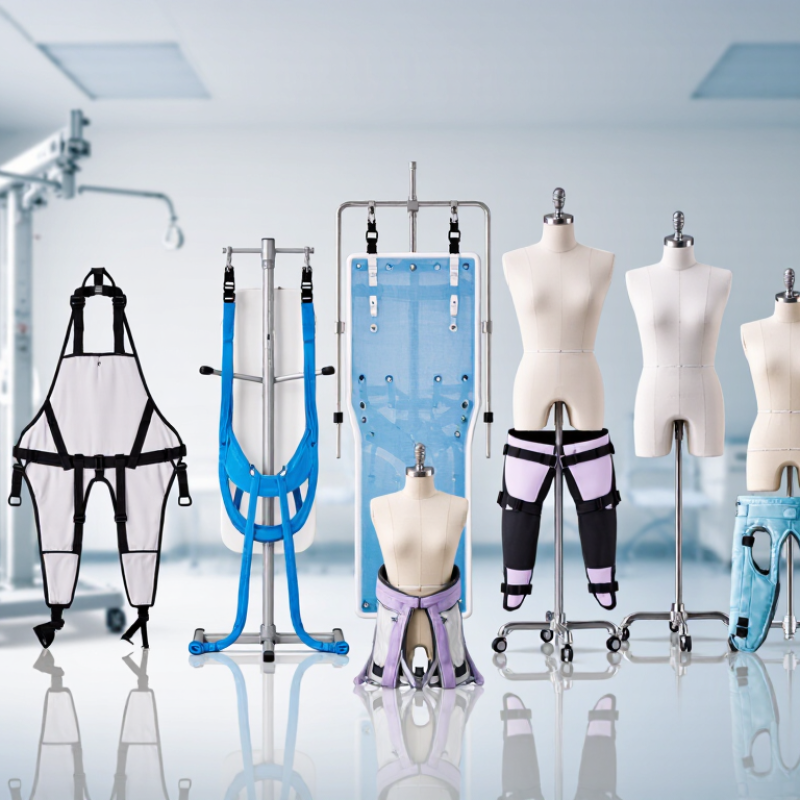
A medical lift sling is a supportive fabric seat or cradle used with a compatible patient lift. The lift raises the person; the sling distributes support beneath the body. Depending on its shape, it may support the head, trunk, thighs, or legs. Full-body slings suit many transfers, while toileting and repositioning designs leave different areas accessible. The right style depends on the person’s mobility, posture, skin condition, and the task. Fit matters. A sling that is too loose can shift; one that is too tight may create pressure or discomfort.
During a transfer, a caregiver positions the sling, connects its loops or attachment points to the lift’s spreader bar, and raises the person steadily. Staff should check the sling’s condition, attachment points, size, and compatibility with the lift before use. Explain each step, too; a sudden lift can feel unsettling. OSHA’s 2013 hospital safety report, using 2011 Bureau of Labor Statistics data, recorded 6.8 work-related injuries and illnesses per 100 full-time hospital workers, compared with 3.5 across private industry. This figure does not measure sling effectiveness, but it shows why safe handling deserves attention. Even with equipment, careful positioning and communication remain essential.
Which Features Distinguish One Sling Type from Another
What Are the Top 10 Medical Lift Sling Types?
Which Features Distinguish One Sling Type from Another?
Ten common designs serve different tasks: full-body slings support users with limited mobility; seated slings aid transfers from chairs; toileting slings expose the lower body; hygiene slings support bathroom care; mesh bathing slings drain water; standing slings assist users who can bear some weight; amputee slings add support for altered limb proportions; repositioning slings help move a person in bed; transfer slings suit bed-to-chair moves; and disposable slings are intended for single-user or limited-use protocols. Names can vary. Check the actual design, not just its label.
Shape, fabric, support area, and attachment points distinguish one sling from another. A high-back model supports the torso and head; a divided-leg design may ease toileting; mesh dries faster but may offer less warmth.
The U.S. Bureau of Labor Statistics reported 4.5 recordable injury and illness cases per 100 full-time workers in health care and social assistance in 2022, compared with 2.7 across private industry. This sector-wide figure does not prove that a particular sling prevents injury, but it underscores why safe handling matters. Fit is not always obvious.
Tips: Check the person’s weight, posture, skin condition, and care task. Confirm sling-to-lift compatibility and follow the equipment instructions. Have trained staff assess fit; a loose strap or folded edge can create pressure points.
The 10 Main Types of Medical Lift Slings
What Are the Top 10 Medical Lift Sling Types?
The 10 Main Types of Medical Lift Slings
Medical lift slings support transfers, but each design suits different needs. A full-body sling supports the torso and legs during seated transfers. Divided-leg slings place separate sections beneath each thigh. Toileting slings provide access for clothing changes, while hygiene slings often leave more of the body exposed. Mesh bathing slings drain water quickly. Check the care plan before use.
Standing slings assist people who can bear some weight and follow instructions. Amputee slings offer added support where limb shape affects positioning. Bariatric slings have higher rated capacities and broader support areas. Pediatric slings are sized for smaller bodies, not simply scaled down by guesswork. Repositioning slings help caregivers move someone in bed. That’s a different task.
Names and designs can overlap. A mesh sling, for example, may also be a full-body sling. Fit matters. Check the sling’s size, weight limit, attachment points, and compatibility with the lift. A qualified clinician or trained caregiver should assess the person’s posture, skin condition, and ability to cooperate. I’ve seen small fit issues become uncomfortable quickly; the right type still needs careful placement.
How to Choose a Sling for the Patient and Transfer
What Are the Top 10 Medical Lift Sling Types? How to Choose a Sling for the Patient and Transfer
Choosing a sling starts with the person, not the equipment catalogue. Assess their weight, body shape, mobility, skin condition, pain, and ability to cooperate. Then match the sling to the task: a full-body sling may support a bed-to-chair transfer, while a toileting sling allows access for clothing changes. Seated, standing, bathing, and repositioning slings each serve different needs. The right fit matters. A loose panel can shift; tight edges may press against fragile skin. Check the manufacturer’s instructions and confirm that the sling works with the lift. Never assume every sling fits every lift.
The risk is real. The U.S. Bureau of Labor Statistics reported 5.7 injury and illness cases per 100 full-time hospital workers in 2017, compared with 3.8 across private industry. That figure covers all reported cases, not sling-related injuries alone. Still, it underscores why careful transfer planning matters. A trained caregiver should inspect fabric, seams, loops, and labels before use, and follow the patient’s care plan. If the patient’s condition or transfer needs change, reassess the sling rather than relying on yesterday’s choice.
Tips: Check the patient’s comfort and alignment before lifting. Keep fabric smooth beneath the thighs and back. Use the stated weight limit. Stop if the sling shifts, causes pain, or feels unstable. A second trained person can help when the transfer plan calls for one.
What Are the Top 10 Medical Lift Sling Types? — How to Choose a Sling for the Patient and Transfer
| Sling Type | Typical Support and Design | Common Uses | Key Selection Considerations |
|---|---|---|---|
| Full-Body Sling | Supports the trunk and thighs; commonly has a broad fabric panel and may include head support. | Transfers between a bed, chair, and other surfaces when a person needs substantial assistance. | Choose head support and leg configuration based on the person’s trunk control, comfort, and clinical needs. |
| Divided-Leg Sling | Has separate leg sections that support each thigh; available with different back and head-support options. | General seated transfers with compatible mobile or overhead lifts. | Check leg placement, pressure-sensitive areas, and whether the person can tolerate the required positioning. |
| Toileting Sling | Provides trunk support with an opening or reduced fabric coverage around the seat. | Transfers where clothing management or toileting access is needed. | Usually requires adequate trunk control and careful positioning; it may not be suitable for people who cannot maintain a stable seated posture. |
| Hygiene Sling | Designed to allow greater access to the body for washing and personal care; support coverage varies by model. | Bathroom or bathing-related transfers when the sling is approved for the intended environment. | Confirm the sling is suitable for wet conditions if applicable, and assess skin condition, posture, and privacy needs. |
| Mesh Bathing Sling | Made from water-draining mesh and shaped to support the body during wet transfers. | Transfers into or out of a bath or shower when used with a compatible lift and bathing setup. | Check the product’s wet-use instructions, drying requirements, and fit; mesh alone does not make every sling suitable for bathing. |
| Amputee Sling | Configured to support a person with one or both lower-limb amputations; may provide additional support around the pelvis and thighs. | Transfers for people whose limb shape or support needs make a standard leg configuration unsuitable. | Requires individual assessment of residual-limb comfort, balance, positioning, and pressure risk. |
| Repositioning Sling | Typically a broad sheet-style sling designed to support the body over a larger area. | Repositioning in bed or assisting with lateral transfers, when the sling and equipment are designed for that task. | Use the number of caregivers and technique specified in the care plan; a repositioning sling is not automatically suitable for lifting between rooms. |
| Standing Sling | Supports the upper body and often wraps around the torso while the person bears weight through the legs. | Assisted sit-to-stand transfers for people who can participate and safely bear some weight. | Assess leg strength, balance, cognition, and ability to follow instructions; it is not intended for a person unable to support weight as required. |
| Bariatric Sling | Designed for higher safe working loads and may have a wider or reinforced construction. | Transfers for people whose weight or body dimensions exceed the capacity or fit of standard slings. | Verify the safe working load of the sling, lift, spreader bar, and all connection components; use the lowest-rated component as the system limit. |
| Pediatric Sling | Scaled and shaped for a child’s body, with sizing and support features selected for the child’s needs. | Transfers of children using equipment specifically approved for their size and the intended task. | Use an appropriately sized sling and compatible pediatric-rated lift; assess growth, positioning, and supervision needs regularly. |
Safety note: Sling names and features can vary. A qualified clinician or trained caregiver should assess the patient, transfer task, fit, and positioning. Before each use, inspect the sling and confirm its compatibility, attachment points, and safe working load with the lift system’s instructions.
How to Use, Inspect, and Maintain Lift Slings Safely
Medical lift slings come in many forms: full-body, divided-leg, toileting, standing, hygiene, hammock, amputee, bariatric, bathing, and repositioning styles. Their names do not guarantee compatibility. Match the sling to the person’s care plan, body size, mobility, and lift model. A trained caregiver should check the sling’s weight limit and attachment points before use. Follow the lift and sling instructions; never guess which loops to choose. Small checks matter.
Before each transfer, inspect the fabric, stitching, straps, and attachment loops for tears, fraying, stretched seams, or unreadable labels. Stop if anything looks damaged, and report it rather than trying a quick repair. Position the sling as instructed, keep the person supported, and communicate before raising or lowering. Watch for discomfort or shifting. A rushed transfer can feel routine, but it still deserves attention. I sometimes find the simplest step—checking that the person is centered—is the easiest to overlook.
Clean slings only as directed on their care labels. Use approved washing methods, dry them fully, and store them away from moisture, sharp edges, and chemicals. Keep inspection and cleaning records where your workplace requires them. Replace a sling when its condition or instructions call for it, even if the damage seems minor. Safety is not just the lift; it is the fabric, fit, and people around it.
Related Posts
-
2026 Top Patient Lift Sling Options for Global Buyers?
-
Top 10 Benefits of Using a Medical Lift Sling for Patient Mobility and Care
-

Top 10 Patient Lift Sling Suppliers for Global Buyers
-
Exploring Innovative Alternatives to Best Patient Lift Slings: Trends Shaping 2025 Technology
-
Exploring Patient Lift Sling Innovations at the 2025 China Import and Export Fair
-
7 Tips for Choosing the Best Mobile Patient Lift