top of page

7 Best Sit to Stand Lifts for Home and Care in 2026

A sit-to-stand transfer can feel manageable one day and uncertain the next. A Sit To Stand Lift may help some people move between a bed, chair, and toilet with greater support, while reducing the strain of repeated transfers for caregivers. It is not suitable for everyone. Many models require the user to bear some weight and take part in the movement.

Small details matter. Check the lift’s weight capacity, footprint, turning space, and compatibility with its support sling or belt. Picture the route from the bed to the bathroom: a narrow doorway or a chair with low arms can change which model works. Fit the space, not just the product photo.

This guide compares seven sit-to-stand lifts for home and care settings in 2026, focusing on practical features, ease of use, and factors to verify before buying. Product specifications can change, so confirm current details with the manufacturer or supplier. When possible, ask a qualified occupational or physical therapist to assess transfer needs and demonstrate safe use. A good fit is personal. Even a promising lift may feel awkward at first, and that deserves attention rather than dismissal. The right choice should match the user’s abilities, the caregiver’s handling needs, and the rooms where transfers happen.
7 Best Sit to Stand Lifts for Home and Care in 2026

Understanding Sit-to-Stand Lifts and Their Uses

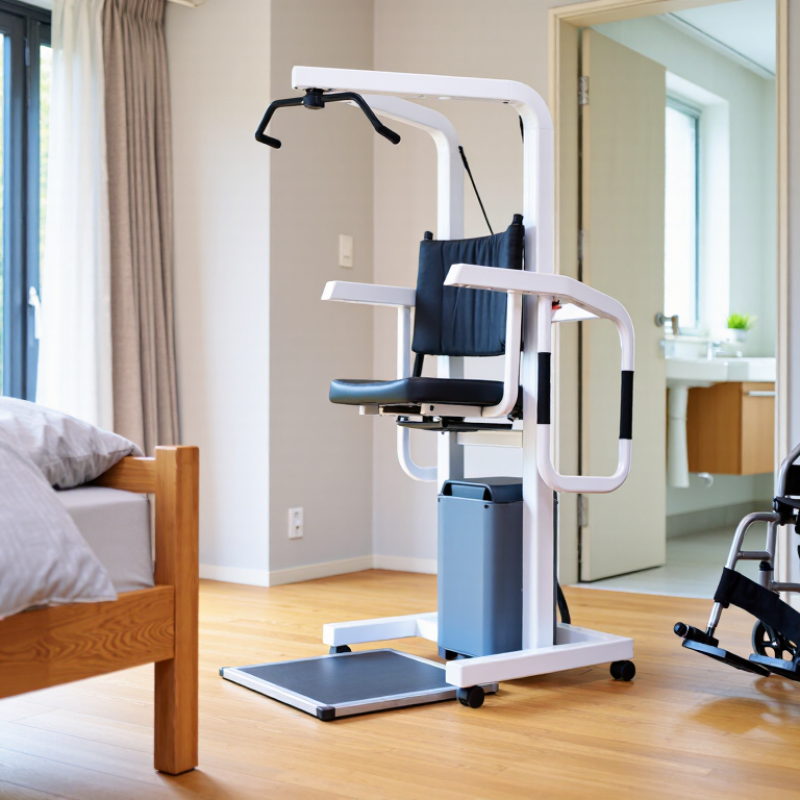
A sit-to-stand lift helps a person move from sitting to standing when their legs can still bear some weight. It is not the same as a full-body lift. The user usually holds a support handle while a padded sling or belt steadies the torso. Their feet rest on a base, and the device guides a controlled rise. Small movements matter.

These lifts can assist with transfers between a bed, chair, or toilet, reducing the strain of repeated lifting for caregivers. They may suit people with limited strength or balance, but not everyone. A clinician or trained mobility professional can assess whether the user can follow instructions, grip securely, and support weight through their legs. Check room clearance, doorway width, and the user’s comfort before choosing equipment. A poor fit can make an ordinary transfer feel unsettling.

Tips: Read the equipment instructions and practice with a trained caregiver before relying on the lift. Keep both feet positioned as directed, and move slowly. Stop if the user feels pain, dizziness, or fear. Check straps and moving parts before each use. It takes time. I’d also reassess the setup after a change in strength or mobility; needs can shift, sometimes quietly.

How to Choose a Lift for Home or Care

Choosing a sit-to-stand lift starts with the person, not the product. Can they follow simple instructions, bear some weight through their legs, and grip the support handles? A lift is generally unsuitable when someone cannot participate safely or needs full-body support. Ask a physiotherapist or occupational therapist to assess transfers and recommend the right equipment. Fit matters.

The CDC reports that more than one in four adults aged 65 and older falls each year. That makes room layout part of lift selection: measure doorway widths, turning space, and the distance from bed to toilet. Check the lift’s weight capacity, leg and foot placement, sling compatibility, and battery or charging needs. A narrow bathroom can defeat an otherwise suitable device.

NIOSH guidance on safe patient handling supports using assistive equipment instead of relying on manual lifting. Ask a trained professional to demonstrate the lift with the actual user, caregiver, and furniture in place. Watch for slipping feet, painful shoulder positions, or knees that buckle during the rise. A checklist helps, but it cannot predict every difficult transfer. I would reassess after illness or a change in strength, even if that feels inconvenient.

7 Best Sit-to-Stand Lift Options for Home and Care in 2026

This comparison covers common lift types and configurations, not ranked or brand-specific products. Features and safe working loads vary by model; confirm the manufacturer’s specifications and have a clinician or trained equipment professional assess the user and transfer environment.

Option Best suited for User ability typically needed How it operates Potential advantages Important checks
1. Standard powered mobile sit-to-stand lift Routine bed, chair, and wheelchair transfers in home or care settings. Usually requires some weight-bearing ability, trunk control, and the ability to follow transfer instructions. Requirements depend on the model and care plan. A rechargeable motor assists the user from sitting toward standing while a caregiver guides the transfer. Reduces the physical effort of raising the user compared with a manually operated lift. Check the safe working load, sling or support compatibility, battery condition, base clearance, and turning space.
2. Manual hydraulic mobile sit-to-stand lift Settings where powered equipment is not preferred and the user can participate actively. Typically suited to users who can bear some weight and cooperate with the transfer; a professional assessment is important. A caregiver operates a hydraulic pump to raise and lower the support. No battery charging is required, and the mechanism is manually operated. Consider the caregiver’s ability to pump and maneuver the lift. Verify the load rating and fit around the intended furniture.
3. Compact-base powered sit-to-stand lift Homes with tighter rooms or furniture layouts, when a compatible model is available. Similar participation requirements to other sit-to-stand lifts; compact size does not make it suitable for every user. A powered mobile lift with a base designed to fit more easily into some confined spaces. May be easier to position in selected rooms than a larger-base model. Measure doorways and turning areas, and confirm the base can open around furniture and provide stable support.
4. Folding powered sit-to-stand lift Care environments where storage or occasional transport is a priority. Depends on the specific lift and the user’s ability to participate in the transfer. A powered lift whose frame folds or partly disassembles according to its instructions. Can reduce storage demands when folded, depending on the design. Check folded dimensions, lifting weight, assembly steps, locking points, transport requirements, and whether it fits the home when in use.
5. Higher-capacity rated powered sit-to-stand lift Users whose assessed needs require a lift with a higher stated safe working load. The user still needs to meet the model’s participation and positioning requirements; a higher load rating does not replace an assessment. A powered mobile lift built and rated for a specified load by its manufacturer. Offers a suitable option when standard-rated equipment does not meet the user’s assessed requirements. Use the exact model’s stated safe working load. Check seat width, base dimensions, clearance, and compatibility with any support accessories.
6. Toilet-transfer-focused sit-to-stand lift Transfers involving a toilet or other close-fitting seating, if the equipment is designed for that task. Usually requires some active participation and the ability to maintain the supported position specified by the manufacturer. A sit-to-stand lift with features intended to assist close-position transfers; designs differ. May make a designated toileting transfer more practical than a general-purpose lift. Check toilet and seat clearance, access for clothing management, hygiene procedures, and whether the device is approved for the intended transfer.
7. Non-powered standing transfer aid (alternative) People who can stand and bear weight reliably but need handholds and support during a short transfer. Requires a comparatively high level of active participation, balance, and weight-bearing ability; it is not suitable for every person who needs a lift. The user actively rises and moves with support from the device and caregiver; the aid does not provide powered lifting. Can be simpler to store and operate than a powered lift when the user is appropriate for this type of aid. This is not a powered sit-to-stand lift. Do not use it as a substitute if the user cannot safely stand or follow the transfer plan.

Seven Top Sit-to-Stand Lifts for 2026

Seven top sit-to-stand lifts for 2026 differ in footprint, power, and caregiver support. A compact manual lift may suit a small bedroom and a person who can help bear weight. A powered compact model reduces the effort needed to raise the user. Fit matters most.

For narrow doorways, consider a lift with a slim base and clearly stated clearance dimensions. A folding model can be easier to store, though its setup may add a step during busy care routines. Low-profile legs can slide under some beds or chairs. Check the actual furniture height first. A wide-base design may feel more stable, but it needs enough floor space to turn safely.

Two other options address specific needs: a higher-capacity lift, selected only within its rated limit, and a model with simple caregiver controls and an emergency-lowering feature. Ratings and features vary, so verify them in the product instructions. Sit-to-stand lifts generally require the user to support some weight and follow cues; they are not suitable for every person. A physical or occupational therapist can assess transfer ability and sling fit. I would not choose by price alone; doorway width, transfer goals, and caregiver strength matter. Even a promising model can feel awkward at home.

7 Sit-to-Stand Lift Capacity Reference Points for 2026

Example weight-capacity ratings shown in pounds, with kilogram conversions.

These are capacity reference points, not specifications for particular lifts. Check the selected lift’s rated capacity and confirm that a sit-to-stand device is appropriate for the user’s strength, balance, and care needs.

Comparing Features, Fit, and Care Needs

A sit-to-stand lift should match the person, the room, and the caregiver’s routine. Compact manual models may suit short transfers when the user can bear some weight and follow simple cues. Powered lifts reduce the effort of raising someone, but need charging and enough space around the chair. Folding frames can help in small homes; check that they still fit through the bathroom doorway.

Measure the chair’s seat height, doorway width, and clearance beneath beds or recliners. Note whether the user can grip handles, keep their knees steady, and place both feet on the platform. These details matter more than a long feature list. A neat spec sheet can still mislead. I’d want to see the lift positioned beside the actual chair before choosing.

Care needs change the comparison. Some people need brief help standing, while others need close support throughout the transfer. Check the lift’s weight capacity, adjustment range, and instructions for use with a clinician or trained equipment specialist. Ask who will operate it, how often, and whether one caregiver can manage safely. Small practical details count. A difficult brake or awkward leg spread can turn a routine transfer into a stressful one.

Safe Transfers, Setup, and Maintenance

A sit-to-stand lift is appropriate only when the person can bear some weight and follow simple directions. A therapist or qualified care professional can help assess fit and teach caregivers how to use the lift. Check the device’s stated weight limit and instructions before each transfer. Small details matter. Clear rugs, cords, and footstools from the route, and use the lift on a stable, level surface.

Position the person’s feet as directed, secure the support sling or belt correctly, and explain each step before moving. Keep hands away from moving joints, and never pull the person by the arms. Move slowly; pause if they feel pain, dizziness, or unusual strain. If the lift shifts or the person cannot cooperate, stop and ask for help. A rushed setup is easy to regret.

After use, return the lift to its designated storage area and charge the battery according to its instructions. Before transfers, inspect straps for fraying, clips for damage, and wheels and brakes for smooth operation. Don’t use a lift with a loose part or a faulty brake. Keep a simple maintenance log with dates and concerns. Even careful checks can miss wear, so arrange professional servicing at the intervals recommended by the manufacturer.

bottom of page