top of page

How to Choose the Right Medical Hoist Lift

Choosing the right Medical Hoist Lift is a practical safety decision, not a simple equipment purchase. It affects patient comfort, caregiver confidence, transfer efficiency, and daily dignity. A suitable lift should match the person’s weight, mobility level, body shape, and transfer needs. It must also fit the care environment.

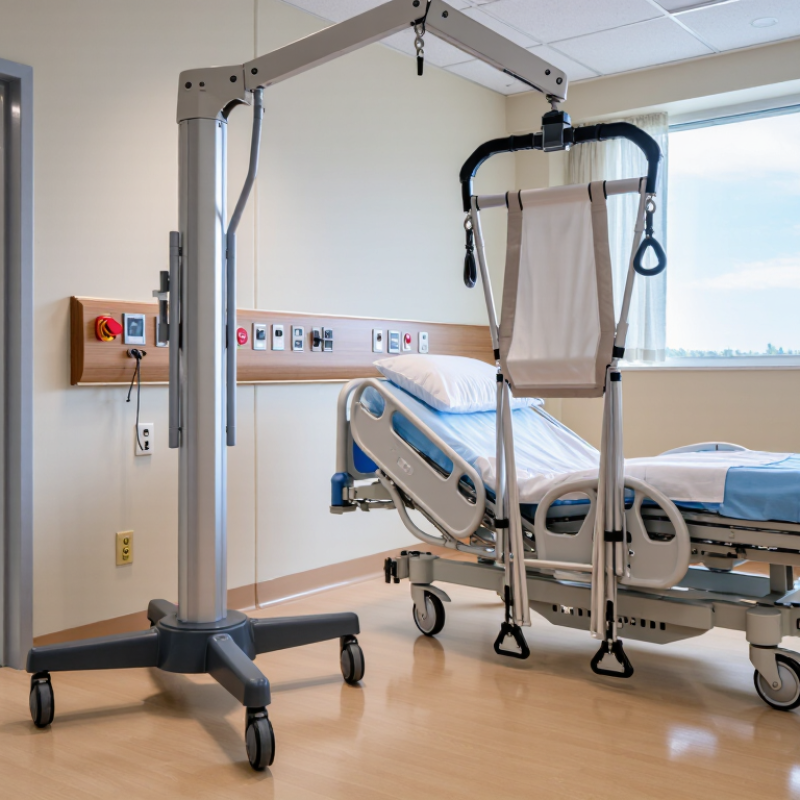
Measure the room carefully. Check doorway widths, bed height, bathroom access, and turning space. A lift that works beside a hospital bed may struggle in a narrow home bathroom. Consider the base width, caster movement, lifting range, and emergency lowering system. The sling matters just as much. Its size, fabric, attachment points, and support level should suit the user and the intended transfer.

Look for clear load ratings and documented safety testing. Reliable suppliers should provide operating instructions, inspection guidance, warranty details, and staff training. Ask how often batteries, straps, wheels, and spreader bars require inspection. Small maintenance failures can create serious risks.

Do not choose only by price.

A lower-cost model may demand more physical effort or frequent repairs. However, expensive equipment is not automatically better. That assumption can fail. Real experience from nurses, therapists, caregivers, and users can reveal problems that product brochures miss. Observe a demonstration if possible. Check whether controls are understandable, movement feels stable, and the patient remains supported throughout the transfer.

A careful decision combines professional assessment, user feedback, reliable evidence, and honest reflection. The best Medical Hoist Lift is the one that supports safe, respectful care every day.

How to Choose the Right Medical Hoist Lift

Understanding Medical Hoist Lift Types and Their Intended Uses

How to Choose the Right Medical Hoist Lift

Understanding Medical Hoist Lift Types and Their Intended Uses

Choosing a medical hoist starts with the transfer, not the equipment catalogue. The World Health Organization’s Global Report on Assistive Technology estimates that more than 2.5 billion people need assistive products worldwide. That need may exceed 3.5 billion by 2050. A hoist must support real daily routines, including bed-to-chair transfers, bathing, toileting, and rehabilitation.

Ceiling-track hoists suit repeated transfers in fixed rooms. They can reduce floor clutter and shorten movement paths. Mobile floor hoists offer flexibility between rooms, but their bases need clear space around beds and chairs. Sit-to-stand lifts are intended for users with some weight-bearing ability and controlled trunk movement. Full-body lifts provide greater support for users with limited mobility. The correct choice depends on body weight, sling fit, transfer distance, and caregiver training. Load capacity alone is not enough.

ISO 10535 covers testing requirements for hoists used to move people with disabilities. Meanwhile, OSHA guidance identifies patient handling as a significant ergonomic risk for healthcare workers. A detailed risk assessment should check door widths, bed height, flooring, battery access, emergency lowering, and sling positioning. Small details matter. A lift may look suitable yet fail beside a narrow bathroom door. Overlooking caregiver reach is another common error. Reassessments should follow changes in mobility, weight, pain, or home layout, because the first choice is not always the lasting choice.

How to Choose the Right Medical Hoist Lift

Understanding medical hoist lift types and their intended uses helps match the equipment to the user’s mobility, transfer environment, and care requirements.

The chart shows representative maximum user-weight capacities commonly specified for different medical hoist lift categories. Actual limits vary by model and must always be checked against the equipment label, manufacturer instructions, patient assessment, sling compatibility, and applicable safety requirements.

Assessing Patient Needs, Mobility Levels, and Transfer Requirements

How to Choose the Right Medical Hoist Lift

Choosing a medical hoist lift starts with the person, not the equipment. Assess body weight, height, pain, skin condition, and postural control. A person who cannot support their head may need greater head and trunk support. Someone with limited hip movement may require a different sling shape.

Mobility level also matters. Can the person stand briefly, turn, or follow simple instructions? These details affect whether a standing aid or full-body lift is safer. Review the transfer route, including bed height, wheelchair width, bathroom space, and floor surfaces. Measure tight corners. Small spaces can make a suitable lift difficult to operate.

Tips: Ask a qualified therapist or trained assessor to observe the actual transfer. Check sling fit, attachment points, emergency lowering, battery status, and safe working load. Explain each movement before lifting, even when communication is limited. Caregivers should practice with supervision. A checklist helps, but it can miss fear, fatigue, or changing strength. Reassess after illness, weight changes, falls, or new pain. Never assume yesterday’s transfer remains safe today.

Checking Safety Features, Weight Capacity, and Equipment Stability

How to Choose the Right Medical Hoist Lift

Checking Safety Features, Weight Capacity, and Equipment Stability

Choosing a medical hoist lift starts with the person, not the product. Assess mobility, posture control, skin condition, and transfer routine. A qualified clinician or trained equipment assessor should review these details.

Check the emergency lowering function, sling attachment points, brakes, spreader bar, and battery indicators. Controls should be clear and reachable during a transfer. Test the lift slowly, without a patient, before regular use. Listen for unusual sounds. They may signal wear. Confirm that the sling matches the user’s size and support needs. A loose fit can increase sliding risk, while excessive tension can cause discomfort.

Never select capacity by guessing. Compare the user’s current weight with the lift’s stated safe working load, including clothing and transfer accessories. Leave a practical margin for daily changes. Recheck the scale when health or swelling changes.

Stability also matters on real flooring, not only a showroom surface. Inspect castors, wheel locks, base width, frame joints, and floor clearance. A narrow base may pass through doorways but feel less stable during movement. A wider base can improve balance, yet create access problems around beds and toilets.

Experience has taught many caregivers that “almost suitable” is often unsuitable. A checklist helps, but it cannot replace supervised practice. Record inspections and report faults immediately. Even small maintenance delays deserve attention.

Comparing Sling Compatibility, Comfort, and Ease of Operation

How to Choose the Right Medical Hoist Lift

A medical hoist lift should match the person, sling, room, and care routine. Sling compatibility is more important than appearance. Check the attachment style, safe working load, sling size, and support areas before use. A loop sling may suit one lift, while a clip-style sling may require a different spreader bar. Never assume that similar-looking fittings are interchangeable. A trained professional should confirm the setup.

Comfort affects cooperation and safety. Look for padded support, breathable fabric, and gentle leg positioning. Some users need extra trunk support, while others require a toileting opening. The sling should hold firmly without pressing into the neck, hips, or skin. Check redness after transfer. Small marks can reveal a poor fit. A wider sling is not automatically safer.

Ease of operation matters during busy care routines. Controls should be clear, reachable, and responsive. Smooth lifting, stable castors, and simple emergency lowering reduce stress for caregivers. Battery status should be easy to read. In practice, staff often overlook turning space beside the bed. Measure doorways and floor clearance first. I have also found that a quiet lift can reduce anxiety, but sound is not the only concern. Regular inspection, documented training, and realistic practice remain essential. No single lift works perfectly for every user or room.

How to Choose the Right Medical Hoist Lift - Comparing Sling Compatibility, Comfort, and Ease of Operation

Lift Type Typical User Profile Sling Compatibility Comfort Considerations Ease of Operation Transfer Range Space Requirements Key Advantages Important Limitations
Mobile Floor Lift Users with limited or no weight-bearing ability who require transfers between a bed, chair, wheelchair, or toilet. High
Usually compatible with multiple sling styles, including full-body, toileting, and repositioning slings when approved by the lift manufacturer.
Full-body slings can provide strong trunk and leg support. Correct sizing and positioning are essential to prevent pressure and discomfort. Medium
Requires caregiver training, correct sling attachment, and careful positioning of the base around furniture.
Good for room-to-room transfers on suitable, level flooring. Needs turning space around the bed and chair. A powered base width adjustment can improve access. Versatile, portable, and suitable for many routine transfer situations. Can be difficult to maneuver in narrow rooms, over thresholds, or on uneven flooring. The caregiver must move the lift during the transfer.
Stand-Assist Lift Users who can bear some weight, follow instructions, and maintain adequate trunk and leg control. Limited
Typically uses a standing sling or support belt rather than a full-body sling.
Allows a more upright posture and can reduce the need for a full-body sling. Knee and foot supports should be correctly adjusted. High
Often quicker for users who can participate actively and follow transfer instructions.
Best for short transfers, such as bed-to-chair, chair-to-toilet, and repositioning within a small area. Generally requires less maneuvering space than a full-body mobile lift. Encourages active participation and may reduce transfer time for suitable users. Not appropriate for users who cannot support part of their body weight, have poor trunk control, or cannot cooperate reliably.
Ceiling-Mounted Lift Users requiring frequent transfers or those who benefit from a permanent lifting system in bedrooms, bathrooms, or care areas. High
Commonly supports full-body, toileting, repositioning, and specialized slings approved for the track system.
Can provide smooth, controlled movement with less swinging when the sling is correctly fitted and the track route is suitable. High
Reduces manual pushing and turning by the caregiver, although correct sling application remains essential.
Excellent along a straight track; room-to-room capability depends on track layout and transfer accessories. Requires structural installation and sufficient ceiling clearance. Floor space around the bed is usually less restrictive. Efficient for frequent transfers, can reduce caregiver physical strain, and keeps floor areas clear. Higher installation cost and less flexibility if the room layout changes. The track system must be professionally assessed and installed.
Bathing or Pool Lift Users who need assisted entry into and exit from a bath or pool and cannot safely transfer independently. Limited
Often uses a dedicated seat, support harness, or water-resistant sling designed for the specific lift.
Water-resistant supports and a stable seated position can improve comfort, but wet skin and temperature changes require additional attention. Medium
Operation may be simple, but transfers require preparation, supervision, and careful control near water.
Designed for vertical or short-range movement into and out of a bath or pool. Needs safe access around the bathing area, adequate clearance, and suitable drainage or pool-deck space. Provides access to bathing or aquatic therapy for users who cannot manage a conventional transfer. Not a general-purpose room-to-room lift. Corrosion protection, battery safety, and cleaning procedures are important.
Bariatric Lift Higher-weight users who require a lift with increased safe working load and a wider support area. High
Compatible only with slings and accessories rated for the required load and body dimensions.
Wider, reinforced slings can improve support. Correct size selection is especially important to avoid pressure points and instability. Medium
Power-assisted movement is beneficial, but the equipment is generally larger and requires more space.
Suitable for routine transfers when the lift, sling, and environment are all rated for the user’s weight. Requires greater clearance, stronger flooring, and adequate turning space than standard equipment. Provides increased capacity and improved stability when correctly configured. Heavier, larger, and less maneuverable than standard lifts. Safe working load must never be exceeded.
Portable Folding Lift Users who need occasional lifting support in different locations or where permanent installation is not practical. Medium
Compatibility depends on the spreader bar, attachment points, and sling types approved for the specific model.
Comfort can be comparable to a mobile lift when the sling is correctly fitted, although setup and folding may interrupt the transfer routine. Medium
Useful for transport and storage, but assembly, positioning, and battery management may be required.
Suitable for short transfers within accessible indoor areas. Requires storage space and enough room for safe assembly and deployment. Transportable and practical for temporary care settings or occasional use. May offer less convenience for high-frequency transfers. Stability, setup time, and surface conditions must be checked before use.

Comparison guide: suitability depends on the user’s mobility, body dimensions, clinical condition, environment, sling fit, and caregiver training. Always verify the lift and sling manufacturer’s approved combinations, safe working load, inspection requirements, and transfer procedures before use.

Evaluating Space, Maintenance Needs, Training, and Total Cost

Choosing the right medical hoist lift begins with the room, not the catalogue. Measure doorways, turning areas, ceiling height, and the clearance beside the bed. A lift may fit on paper but fail near a crowded bathroom or narrow corridor. Check the floor surface, storage space, and access to charging points. In practice, rushed measurements cause expensive changes. I have seen suitable equipment become awkward because a bed rail blocked the lifting path.

Tips: Draw the room to scale. Mark walls, furniture, and transfer routes. Test the tightest turn with a simple cardboard outline. Ask carers to describe real transfers, not ideal ones. Their experience often reveals problems missed during a site visit.

Maintenance needs should shape the purchase decision. Review battery replacement, sling inspection, cleaning, and scheduled servicing. Confirm who records inspections and how faults are reported. Training must cover positioning, emergency lowering, charging, and weight limits. Short demonstrations are not enough. Staff need supervised practice with different body sizes and mobility levels. Training can also expose a poor fit, which is useful, although inconvenient.

Calculate total cost beyond the purchase price. Include installation, accessories, staff training, service contracts, batteries, repairs, and possible downtime. A cheaper lift may require more manual handling or frequent servicing. That changes the real cost. Ask for maintenance intervals and expected component life in writing. Keep records. Review the choice after several months, because daily use may reveal assumptions that seemed reasonable at purchase.

bottom of page