What Is a Ceiling Lift Track System and How Does It Work?
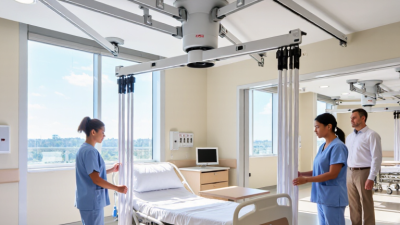
A Ceiling Lift Track System moves a person along an overhead rail using a powered motor, trolley, and supportive sling. The rail may run in one room or connect several spaces. A caregiver positions the sling, attaches it to the motor, and uses a handheld control to raise, lower, and guide the person. The transfer can feel steady: a quiet motor, a short lift from the bed, then a glide toward a chair. The exact setup depends on the room, the person’s needs, and the equipment selected.
The need for safer transfers is well documented. OSHA reported that hospitals recorded 6.8 injury and illness cases per 100 full-time workers in 2011, compared with 3.6 across private industry. That figure describes workplace harm overall; it does not prove that a particular lift prevents injuries. NIOSH ergonomics researcher Thomas Waters studied safer patient-handling practices. A concise paraphrase of the principle reflected in his work—not a verified verbatim quotation—is: “Reduce manual lifting by using equipment suited to the task.” This distinction matters. A track alone is not a complete safety plan. Staff need training, a suitable sling, and a clear transfer procedure. Fit and maintenance matter, too. Sometimes the rail’s route needs a rethink. With those details in place, the system can reduce the physical effort of moving someone and support more controlled transfers.
Definition and Main Components of a Ceiling Lift Track System
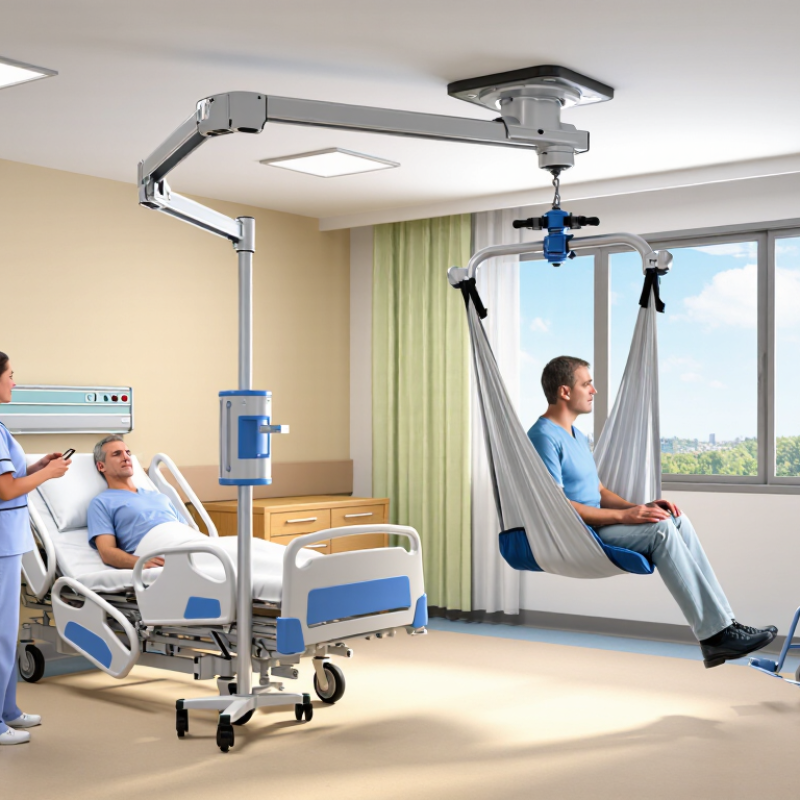
A ceiling lift track system is an overhead arrangement that helps move a person between locations, such as a bed and a wheelchair. Its track is secured to a suitable ceiling structure or a purpose-built support frame. The track carries a powered lift unit, rather than supporting the person by itself. That distinction matters.
The main components are the track, a trolley, the lift motor, and a suspension assembly. The trolley runs along the track and carries the motor. A spreader bar or compatible sling attaches to the lift, supporting the person during transfer. Depending on the layout, one straight track may serve a single room, while connected tracks can allow movement around a corner. Coverage depends on the home’s structure and the user’s needs.
Controls let a caregiver raise, lower, and move the lift; some systems use a handheld control, while others include wall controls. Batteries, charging points, limit sensors, and emergency-lowering features may also be included, depending on the model. A brief pause can reveal a practical issue: a track that reaches the bed may not reach the chair beside it. A qualified installer should assess clearances, track support, and rated capacity before installation. The right setup is not always the most complicated one.
How the Motor, Spreader Bar, and Sling Transfer a Person
A ceiling lift track system moves a person along an overhead rail using a powered motor. The motor raises or lowers the person through a strap connected to a spreader bar. The bar keeps the sling attachment points apart, helping distribute support across the body. Track layouts vary: a straight rail may serve one room, while curved or connected tracks can allow transfers between spaces.
The sling holds the person during the transfer. Caregivers position it according to its design, then connect its loops or clips to the spreader bar. Once the connections are checked, the motor lifts the person gradually; the trolley can then travel along the track. Slow movement matters. A poorly fitted sling can shift, and a bar that tilts may signal uneven loading. The system looks simple, but it is not foolproof. Follow the equipment instructions and each person’s care plan.
Tips: Check every attachment before lifting. Confirm the sling supports the person’s size and posture, and keep the path clear of furniture. Use the handset at a pace that allows the person to feel steady. If the lift makes an unusual sound, or any strap looks worn, stop and ask a trained professional to inspect it. A little hesitation is sensible here.
Track Configurations: Straight, Curved, Room-Covering, and X-Y
A ceiling lift track guides a powered hoist above a bed, chair, or bathing area. A straight track suits a direct transfer between two fixed points, such as a bed and nearby wheelchair. Curved sections follow room corners or pass around obstacles, but each bend must be checked against the hoist’s rated capacity. Small details matter. Door frames and light fittings can limit the route.
For wider access, a room-covering system uses intersecting tracks to reach several positions. An X-Y layout typically has two parallel rails and a moving bridge, allowing the hoist to travel across the room in both directions. It can help one caregiver position a person over a bed or bathing chair without moving the person manually. The U.S. Bureau of Labor Statistics recorded about 562,000 injury and illness cases in health care and social assistance in 2023; this broad industry figure is not specific to patient transfers, but it shows why handling plans deserve care. Track choice should follow measured room dimensions, transfer needs, and a qualified structural review. A drawing may look perfect and still feel awkward in use. Check clearance, sling positioning, and emergency lowering before installation, and follow the applicable hoist and track instructions.
Rated Capacity: Common 200–272 kg Models and ISO 10535:2021
A ceiling lift track system moves a suspended hoist along rails fixed to the ceiling. A caregiver attaches a compatible sling, raises the person, and guides the lift between locations. In a bedroom, this can make transfers easier without maneuvering a floor lift around furniture. Smooth travel depends on the track layout, installation, and regular checks. Not just the motor.
Common models are rated for 200–272 kg, or about 440–600 lb. That figure is not a universal allowance. The user’s weight and any additional load must stay within the limits specified for the complete system. The hoist, sling, spreader bar, track, and supports all need to be compatible; the lowest-rated component sets the limit. ISO 10535:2021 gives safety and testing requirements for hoists used to transfer people with disabilities. It does not confirm that a particular ceiling can safely carry a load. A qualified installer or assessor should check the structure, route, and product documentation. A capacity figure can feel reassuring, but it cannot answer every room-specific question.
Tips: Check the capacity label, sling seams, and track joints before use. Keep the travel path clear. If the lift jolts, makes unusual noise, or feels loose, stop and arrange an inspection. Small mismatches are easy to miss.
What Is a Ceiling Lift Track System and How Does It Work? — Rated Capacity: Common 200–272 kg Models and ISO 10535:2021
| Dimension | Description and Practical Details |
|---|---|
| What the system is | A ceiling lift track system is an overhead patient-handling system. A powered lift motor (also called a lifting unit) travels along a track fixed to or supported by the building structure and raises or lowers a person using a compatible sling or other approved body-support accessory. |
| Main components | Typical components include the track, lift motor, lifting strap or belt, spreader bar or other sling attachment, compatible sling, controls, charging equipment, and structural supports. Exact components vary by system and intended use. |
| How lifting works | The caregiver positions and attaches the sling according to its instructions, connects the sling loops to the lift attachment, and uses the controls to raise or lower the person. The motor moves along the track to transfer the person between locations. |
| Track configurations | Tracks may be straight, curved, or arranged as room-covering systems. Some layouts allow travel between rooms through a transfer or docking connection. The configuration determines where the lift can travel; a lift cannot move beyond the installed track layout. |
| Common rated-capacity examples | Representative nominal capacities in this range include 200 kg (about 440 lb), 227 kg (about 500 lb), 250 kg (about 551 lb), and 272 kg (about 600 lb). These are illustrative market examples, not capacity values prescribed by ISO 10535:2021. |
| Meaning of rated capacity | Rated capacity is the maximum load specified for the lift under its stated conditions of use. Never exceed the lowest applicable rating among the lift, track and supports, sling, spreader bar, and other connected components. Follow the specific product instructions and local requirements. |
| Power and controls | Many ceiling lift motors use rechargeable batteries and hand controls; some systems may use other control arrangements. Charging method, battery status indicators, emergency lowering provisions, and control functions are model-specific and should be checked in the instructions. |
| ISO 10535:2021 | ISO 10535:2021, Hoists for the transfer of persons — Requirements and test methods, specifies requirements and test methods for hoists used to transfer persons. It does not set one universal rated capacity for ceiling lifts. Confirm the applicable standard, edition, conformity information, and product documentation for the particular equipment and jurisdiction. |
| Installation and structural support | The track and its supports must be selected and installed for the building structure and intended loading. Installation should be completed and checked by qualified personnel in accordance with the lift manufacturer’s instructions, applicable building requirements, and local regulations. |
| Safe-use essentials | Use a sling that is compatible with the lift and appropriate for the person and transfer. Check the equipment before use, secure all connections, keep the person within the approved lifting configuration, and have trained caregivers follow the care plan and manufacturer instructions. |
| Inspection and maintenance | Inspect and maintain the lift, track, supports, sling, and accessories at the intervals and in the manner specified by the manufacturer and applicable rules. Remove equipment from service and arrange assessment if damage, unusual operation, or a failed inspection is observed. |
Important: Capacity examples are general reference values only. The equipment label, approved configuration, manufacturer’s instructions, and applicable local requirements determine the safe use of any specific installation.
Installation, Safe Operation, and Routine Inspection Requirements
A ceiling lift track system moves a person in a sling along an overhead rail, reducing the need for staff to lift and carry them manually. Installation should be planned around the person’s transfer route, room layout, and the building structure. A qualified installer must verify that the ceiling support, track connections, and rated load meet the system manufacturer’s requirements. The U.S. Bureau of Labor Statistics reported 4.5 cases involving days away from work per 100 full-time nursing assistants in 2022. That figure highlights the physical demands of care work; it does not prove that any single device prevents injuries.
Before each transfer, staff should check the track path, handset, sling fabric, loops, and attachment points for visible damage. Confirm the person’s weight is within the lift’s rated capacity, use the correct sling, and explain the movement before raising them. Keep the route clear, move smoothly, and never leave someone suspended unattended. Staff should know the emergency-lowering procedure. Routine inspections should follow the manufacturer’s schedule, with defects recorded and equipment removed from use until assessed. Small cracks matter.
Tips: Keep a simple inspection log near the charging point. Note unusual noises, loose fittings, or frayed stitching, and report them promptly. A checklist helps, but it cannot replace hands-on training or careful judgment.
What Is a Ceiling Lift Track System and How Does It Work?
A ceiling lift uses a motorized unit that travels along an overhead track to raise, move, and lower a person using a compatible sling.
The bars show the order of typical stages, not measured performance. Have the track and supporting structure installed and verified by qualified professionals. Before each use, check the track, end stops, attachments, sling, and controls; follow the lift manufacturer’s instructions and applicable local requirements for inspection and operation.
Related Posts
-
Top 10 Ceiling Lift Track System Manufacturers Worldwide
-
7 Ceiling Hoist Buying Tips for Global Buyers
-
Exploring Patient Lift Sling Innovations at the 2025 China Import and Export Fair
-

How to Use a Patient Lift Assist Safely?
-
How to Choose the Best Mobile Patient Lift for Your Healthcare Setting
-
7 Tips for Choosing the Best Mobile Patient Lift