top of page

How to Use a Patient Lift Assist Safely?

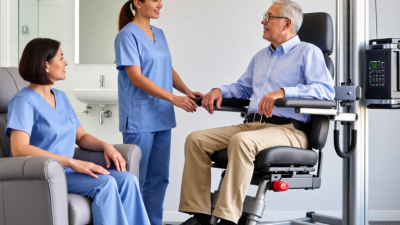
A Patient Lift Assist can make a transfer safer, but only when the equipment, sling, and plan fit the person. A lift is not a shortcut around judgment. Before moving, check the patient’s ability to participate, explain what will happen, and confirm that the selected sling supports them as intended. Inspect fabric, seams, loops, and attachments for damage. Read the lift’s instructions, including its weight limit and approved sling combinations. Small details matter.

Nurse researcher Audrey Nelson’s work on safe patient handling supports a practical principle. A useful paraphrase is: “Match the equipment and team plan to the patient before beginning the move.” This guide outlines how to prepare the space, position the sling, connect attachment points, and communicate during the lift. Keep the route clear. Agree on simple cues, such as “ready” and “stop.” Follow your organization’s training and the manufacturer’s directions; brake settings and operating steps can vary by model. If the patient feels pain, becomes distressed, or shifts unexpectedly, pause and reassess rather than pushing through. That pause may feel awkward. It is still safer than pretending every transfer will go smoothly. A lift can reduce physical strain, but it cannot replace trained assistance or careful observation. The safest move is deliberate, not rushed.
How to Use a Patient Lift Assist Safely?

Understand the Patient Lift and Its Safety Features

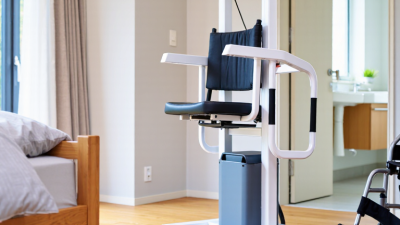
A patient lift is a powered or manual device that transfers a person between surfaces, such as a bed and wheelchair. Before use, check the lift’s safe working load against the person’s weight, including clothing and attached equipment. Inspect the sling for frayed seams, damaged clips, and a readable capacity label. Look closely. A small tear can matter.

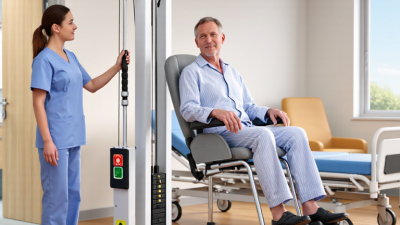
Know what the controls do before a transfer. Many powered lifts include an emergency stop and a manual-lowering function for power failure. Locate both, and test the lift according to its instructions. Check the wheels, brakes, spreader bar, and battery indicator.

The person should be supported by the correct sling, with every loop or clip secured to its matching attachment point. Never assume a familiar-looking connection is safe.

Mechanical lifts can reduce strenuous manual handling, but they do not remove every risk. The U.S. Bureau of Labor Statistics reported 3.6 recordable injury and illness cases per 100 full-time workers in health care and social assistance in 2023, compared with 2.4 across private industry. These figures cover many kinds of injuries, not patient transfers alone. Still, they underline why equipment checks and staff training matter. Follow the manufacturer’s instructions and your facility’s transfer plan; pause if the sling fit or the person’s position seems uncertain. I have to admit, rushing a check can feel efficient. It isn’t.

Check the Lift, Sling, and Transfer Area

Before using a patient lift, inspect it in good light. Check the frame, base, wheels, brakes, battery level, and control pendant for visible damage. Follow the lift’s instructions and your facility’s inspection procedure; do not use equipment that appears faulty. The U.S. Bureau of Labor Statistics reported 4.5 recordable injury and illness cases per 100 full-time workers in nursing care facilities in 2022. That figure is not specific to lift transfers, but it shows why careful routines matter.

Check the sling’s fabric, seams, straps, loops, and labels. Look for fraying, tears, stains that hide damage, or missing identification. Confirm that the sling type and size suit the person and the lift, and attach every loop or clip according to the manufacturer’s instructions. Pause. A strap that looks secure may still be attached incorrectly. Then clear the transfer area: move cords, footstools, and bedside clutter, and check that the destination chair or bed is stable and within reach. Lock equipment only as directed for that transfer; lift designs and procedures differ. Keep the path wide enough to move without twisting or rushing. I have seen a tiny floor obstruction change an easy transfer into an awkward one. Recheck the person’s position and comfort before raising the lift, and ask for help if anything feels uncertain.

How to Use a Patient Lift Assist Safely? - Check the Lift, Sling, and Transfer Area
Check What to Do Safe Condition Stop and Get Help If…
Care plan and training Confirm that a lift is appropriate for the person and that you are trained to use this lift and sling. Explain the transfer and provide privacy. The person’s care instructions, equipment instructions, and required number of caregivers are known. The transfer method is unclear, the person’s condition has changed, or you are not trained to operate the equipment.
Lift condition Inspect the frame, base, mast, spreader bar, hooks or attachment points, controls, and emergency-lowering feature. Check for damage, loose parts, or signs of wear. The lift appears intact, operates as described in its instructions, and has enough battery charge for the transfer if powered. You find damage, unusual noises, a malfunction, or insufficient battery charge. Do not use a faulty lift.
Capacity and compatibility Check the lift’s rated capacity and use only a sling approved for that lift and task. Confirm the person’s weight is within the lift’s limit. The lift and sling are compatible, correctly sized, and used within their stated capacity limits. The capacity is exceeded or unknown, or the sling’s compatibility or safe working load cannot be confirmed.
Sling condition and fit Inspect the sling fabric, seams, straps, loops, labels, and attachments. Position it as instructed, with the person supported and aligned. The sling is clean, dry, undamaged, correctly positioned, and all attachments are secured as specified by the lift and sling instructions. The sling is torn, frayed, damaged, incorrectly fitted, or its attachment points are uncertain.
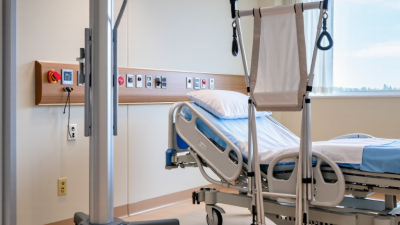
Transfer area Clear obstacles, loose rugs, cords, and clutter. Check that the route and destination have enough space and that the floor is stable and dry. The lift can move along a clear route, and the destination surface is ready to receive the person. The route is blocked, the floor is slippery or uneven, or there is not enough room to maneuver safely.
Bed, chair, and destination Prepare the destination before lifting. Apply the brakes on the bed or wheelchair when appropriate, and move footrests or other obstacles out of the way. The destination is stable and positioned for the transfer. Follow the lift instructions for caster and brake settings. The destination moves unexpectedly, cannot be positioned safely, or its brakes do not work as intended.
Communication and positioning Tell the person what will happen, check their comfort, and ask them to participate only to the extent they safely can. Keep hands and limbs clear of pinch points. The person is ready, supported, and monitored throughout the transfer; caregivers communicate clearly. The person reports pain or distress, becomes unwell, or cannot be kept safely supported.
Before moving Raise only as far as needed, pause to check that the sling and attachments remain secure, and keep the person close to the lift as instructed. The person is fully supported and stable before the lift is moved. Move slowly and follow the equipment instructions. The person is slipping, the sling shifts, an attachment loosens, or the lift behaves unexpectedly. Stop and lower safely if possible.
After the transfer Lower the person into a stable position, confirm comfort and alignment, then remove attachments and the sling as directed. Return the lift to its designated storage area. The person is secure and comfortable, and the equipment is left ready for inspection, charging, or storage as required. The person is not stable or comfortable, or the equipment needs cleaning, maintenance, or reporting before reuse.

Prepare and Position the Patient in the Sling

Before using a patient lift, check the sling for tears, worn stitching, damaged loops, or missing labels. Confirm that its size and style match the patient and the lift. The U.S. Occupational Safety and Health Administration’s safe patient handling guidance emphasizes using suitable equipment and following its instructions. Do not rely on appearance alone; a small seam defect can matter under load.

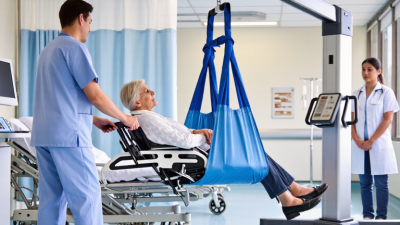
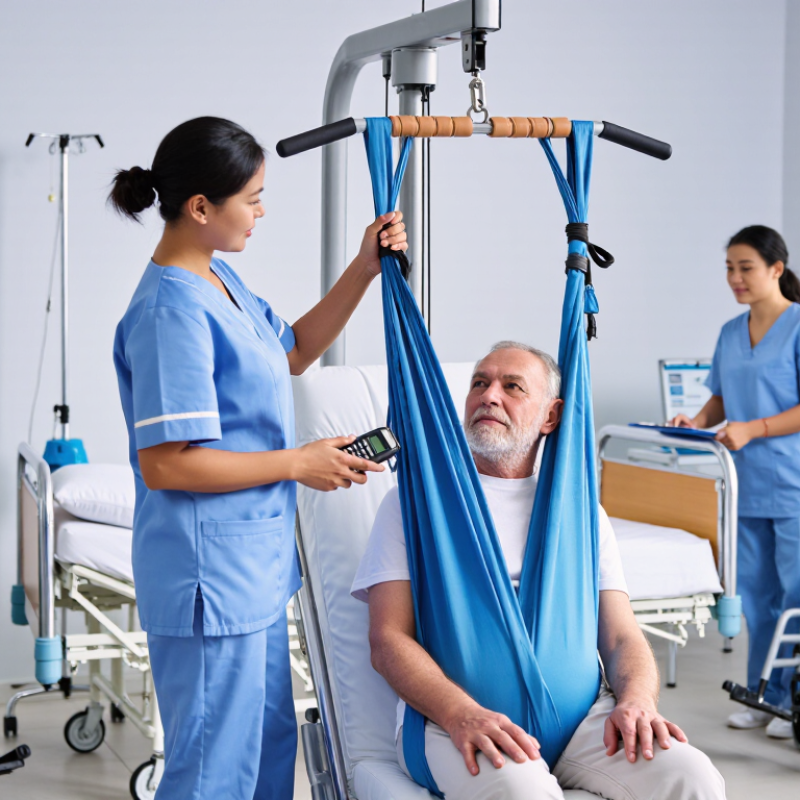
Explain each step in calm, plain language, even if the patient has limited speech. With the bed flat and brakes engaged, help the patient roll gently to one side. Smooth the sling behind them, then roll them back and pull the fabric through so it lies flat beneath the body. Keep the center of the sling aligned with the patient’s spine. Check that fabric is not folded under the hips, shoulders, or thighs. It can bunch more than expected.

Position leg sections as directed for that sling, and check that the patient’s arms remain safely inside or outside the fabric as intended. Attach matching loops evenly, then pause to check the patient’s comfort and body alignment before lifting. OSHA cites Bureau of Labor Statistics data showing nursing assistants experienced about 27,000 work-related musculoskeletal injuries in 2011. That figure reflects a serious handling risk, not a guarantee that any one transfer is safe. If the patient is uncomfortable, the sling shifts, or you are unsure about a connection, lower them and reassess.

Raise and Move the Patient with Controlled Movements

How to Use a Patient Lift Assist Safely?

Raise and Move the Patient with Controlled Movements

Before lifting, explain each step and check that the patient is ready. Follow the lift’s instructions and your facility’s care plan. Inspect the sling, straps, and lift for visible wear or damage. Position the lift on a level surface, and make sure its wheels and brakes are used as directed. A rushed setup can create avoidable risks.

Raise the patient slowly, pausing to check that the sling supports them evenly. Keep the patient close to the lift and watch for discomfort, slipping, or tangled clothing. Move at a steady pace, with clear communication between caregivers. Avoid turning sharply or moving over obstacles. If the patient seems unstable, stop and lower them safely before reassessing. Small pauses matter.

Tips: Confirm that all sling loops are attached securely before lifting. Keep hands clear of moving parts, and never leave a suspended patient unattended. Use a second caregiver when the care plan or patient’s needs call for help. Even with practice, it is possible to miss a detail; a brief check with a trained colleague can help.

Lower the Patient and Remove the Sling Safely

How to Use a Patient Lift Assist Safely?

Lower the Patient and Remove the Sling Safely

Before lowering, confirm the chair or bed is stable and positioned close to the lift. Clear the floor of cords and loose items. Tell the patient what will happen, then check that their feet, arms, and clothing are clear of moving parts. Lower them slowly, keeping one hand near the controls and watching their posture. Stop if they slide, report pain, or appear distressed. Follow the lift’s instructions and your care plan; do not rush the final inches.

When the patient is fully supported, release the lift’s tension before removing the sling. Check that their weight is settled on the bed or chair, not hanging in the fabric. Ease out straps one at a time, without pulling beneath the body or twisting a limb. Roll the patient gently if needed, supporting them throughout. Smooth clothing and inspect the skin for redness or pressure marks. Small marks matter.

Tips: Keep the call bell within reach and explain each movement. If a strap is trapped or the patient feels unstable, pause and ask a trained caregiver for help. A sling can look loose but still catch under a hip; check carefully rather than tugging.

bottom of page